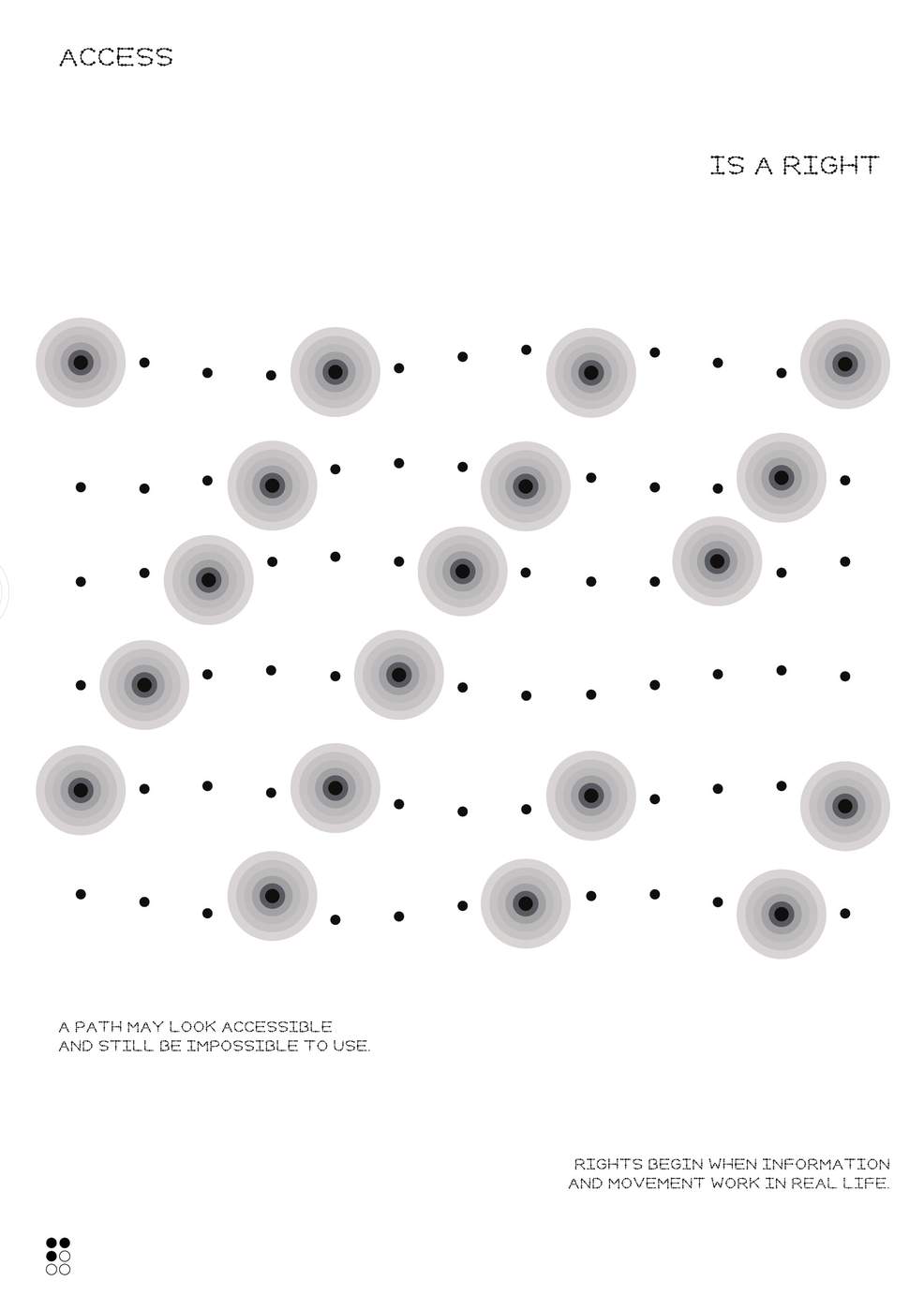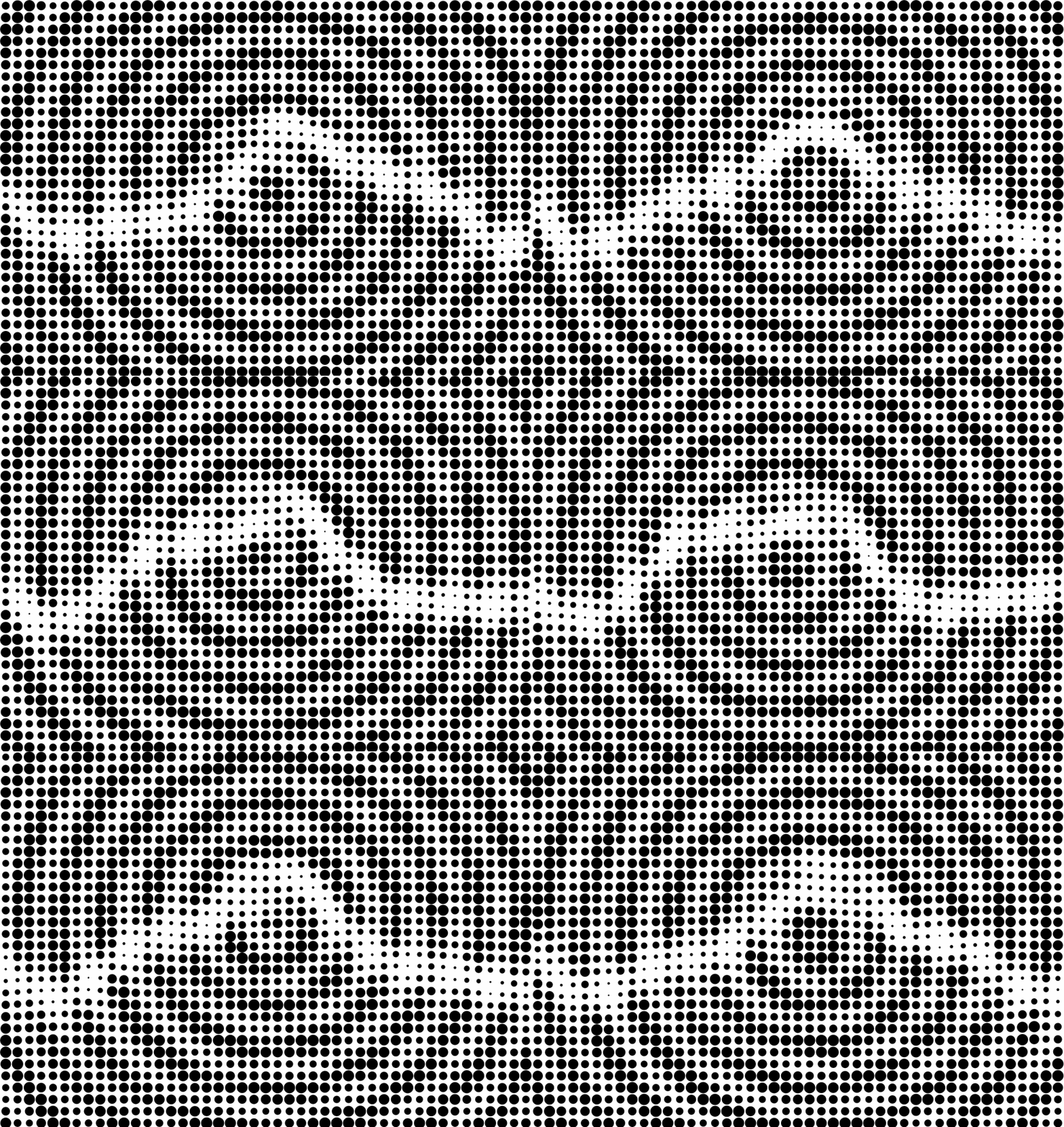
WANG YISHENGWEEK 07–13 · G2026070
Expanding circles forming a sensory eye
TACTILE PUBLICATIONPRINTED MOTION SYSTEM2026

BENEATH
BLACK

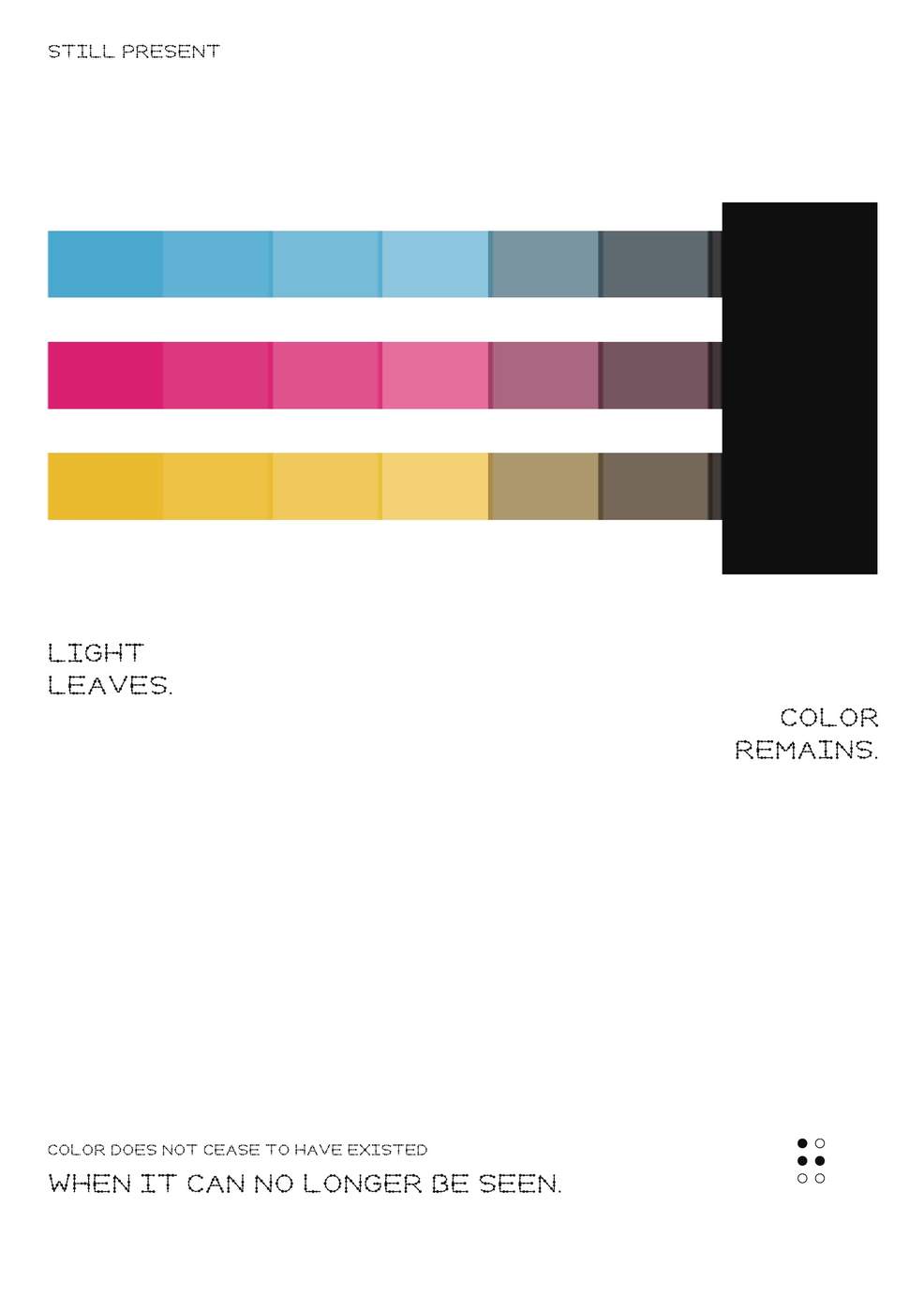
When light disappears, all colours move towards black, yet they do not cease to exist. Visually impaired people may experience the world differently, but they remain an inseparable part of society.

Scroll to read ↓
01 / CONCEPT

BLACK IS
NOT EMPTY.

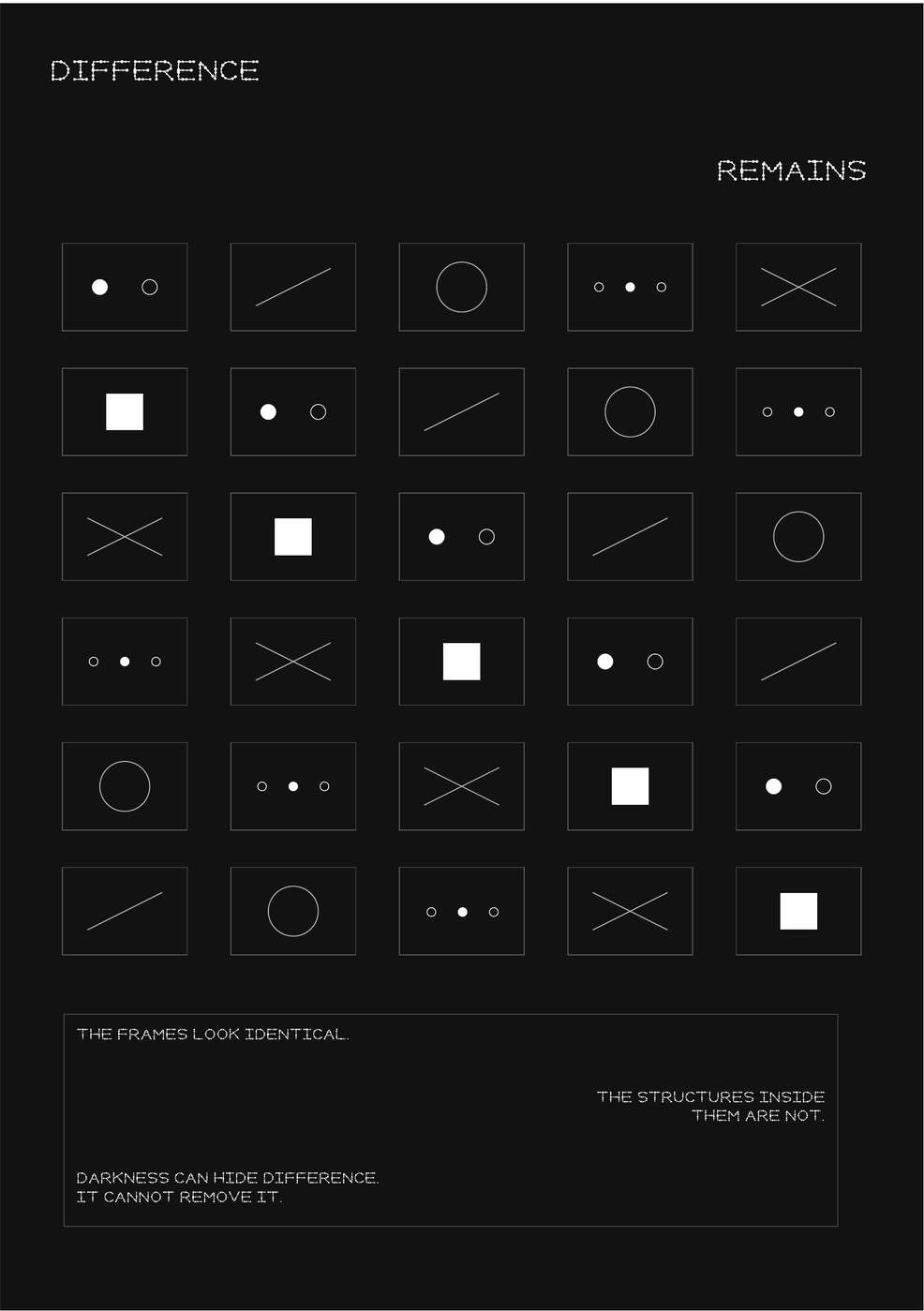
Black reduces the authority of colour and allows other forms of information—touch, sound, rhythm, distance and movement—to come forward.

The project explores how the same environment can be read through different senses, and how graphic design might move between what is seen, touched and heard. Black is used as a shared field where different routes of perception can become visible.

02 / OBSERVATION

WHERE
INFORMATION
DISAPPEARS

The research began with ordinary situations in which information exists but cannot always be reached.

A traffic light without an audible cue. An object moved from its expected place. A sound whose direction cannot be seen. A glass that silently overfills.

These moments do not describe an absence of ability. They reveal a gap between information and access.

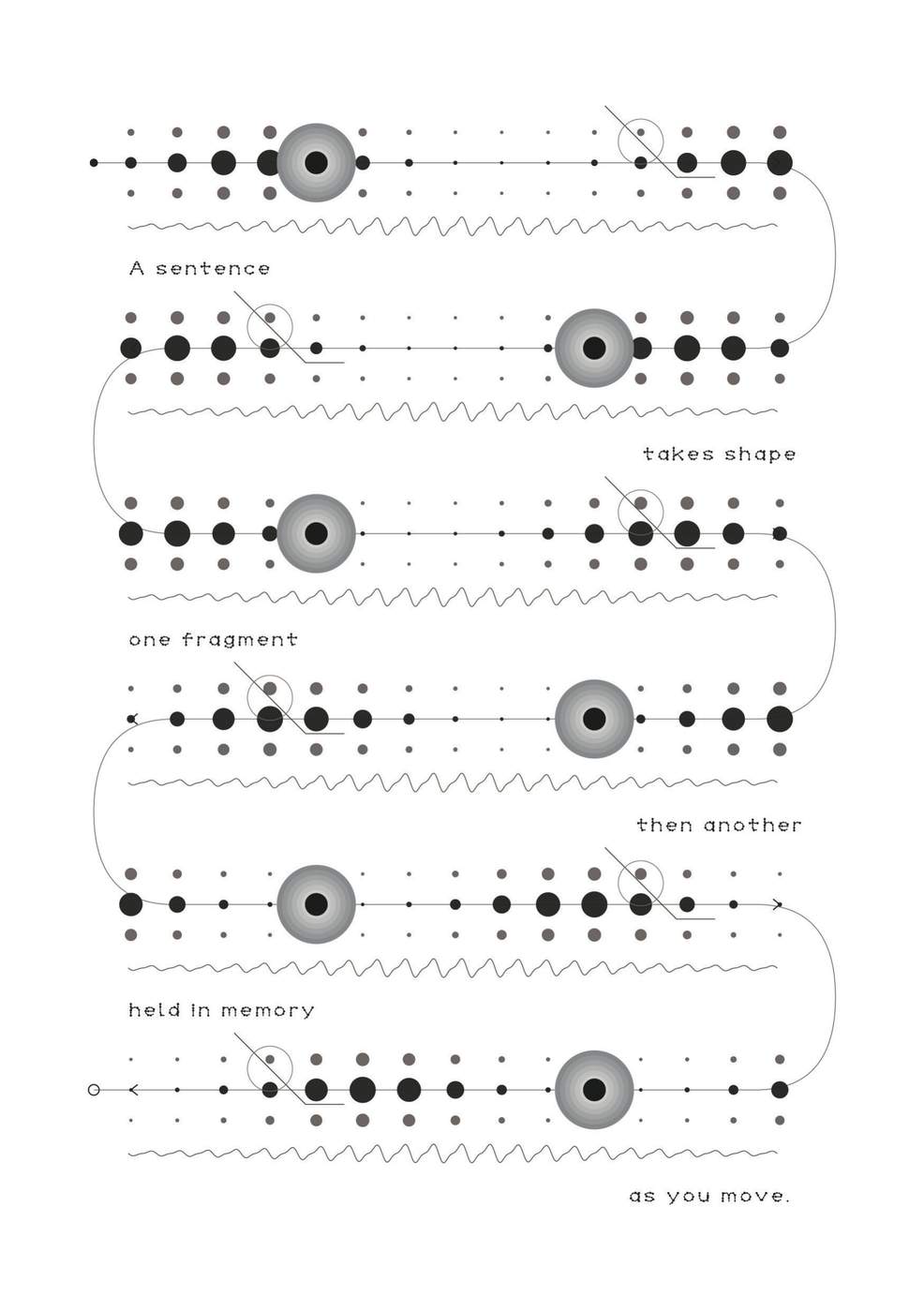
SOUNDTOUCHDISTANCEMOVEMENTMEMORY
03 / VISUAL SYSTEM

DOT / LINE /
CONTRAST

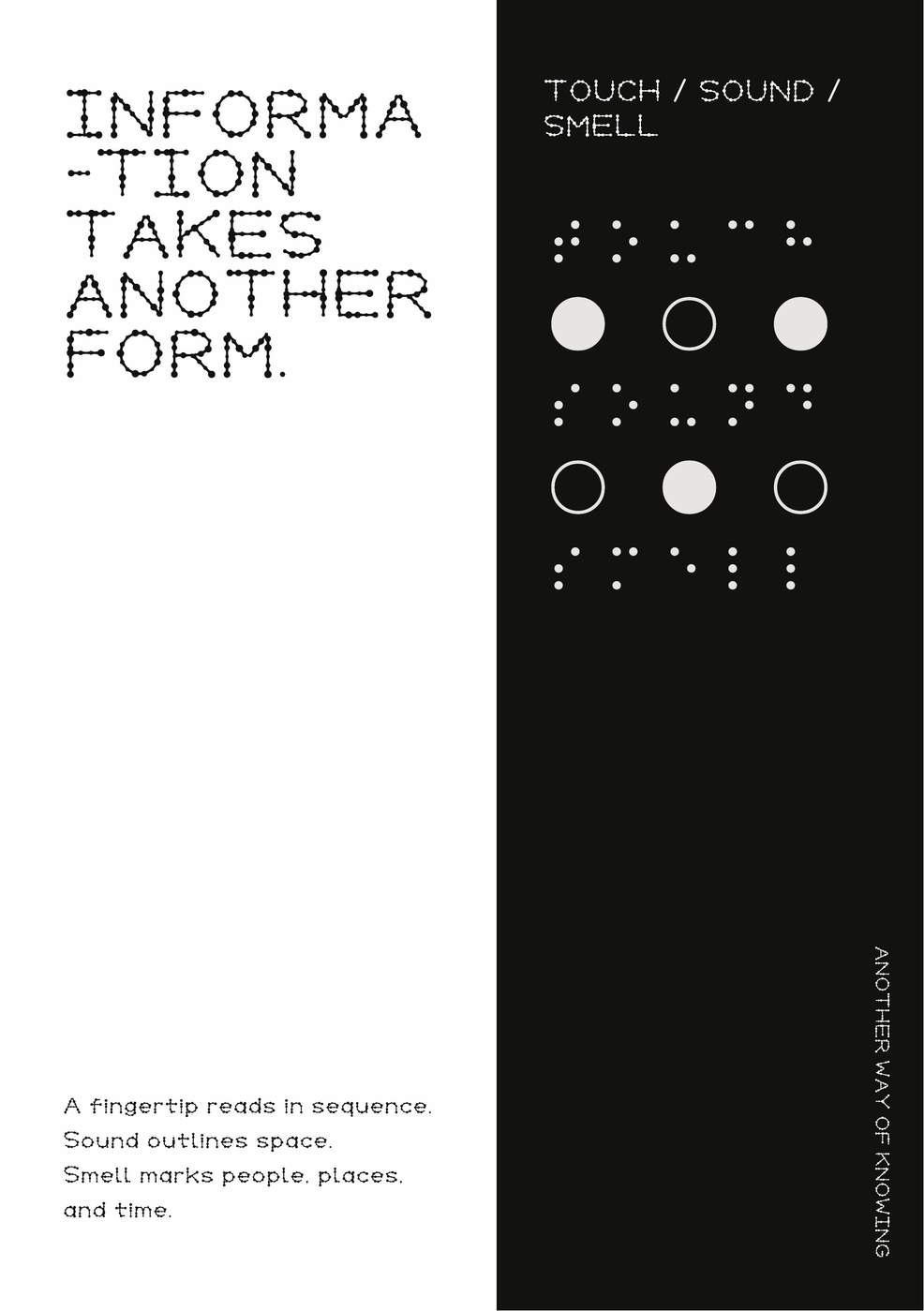
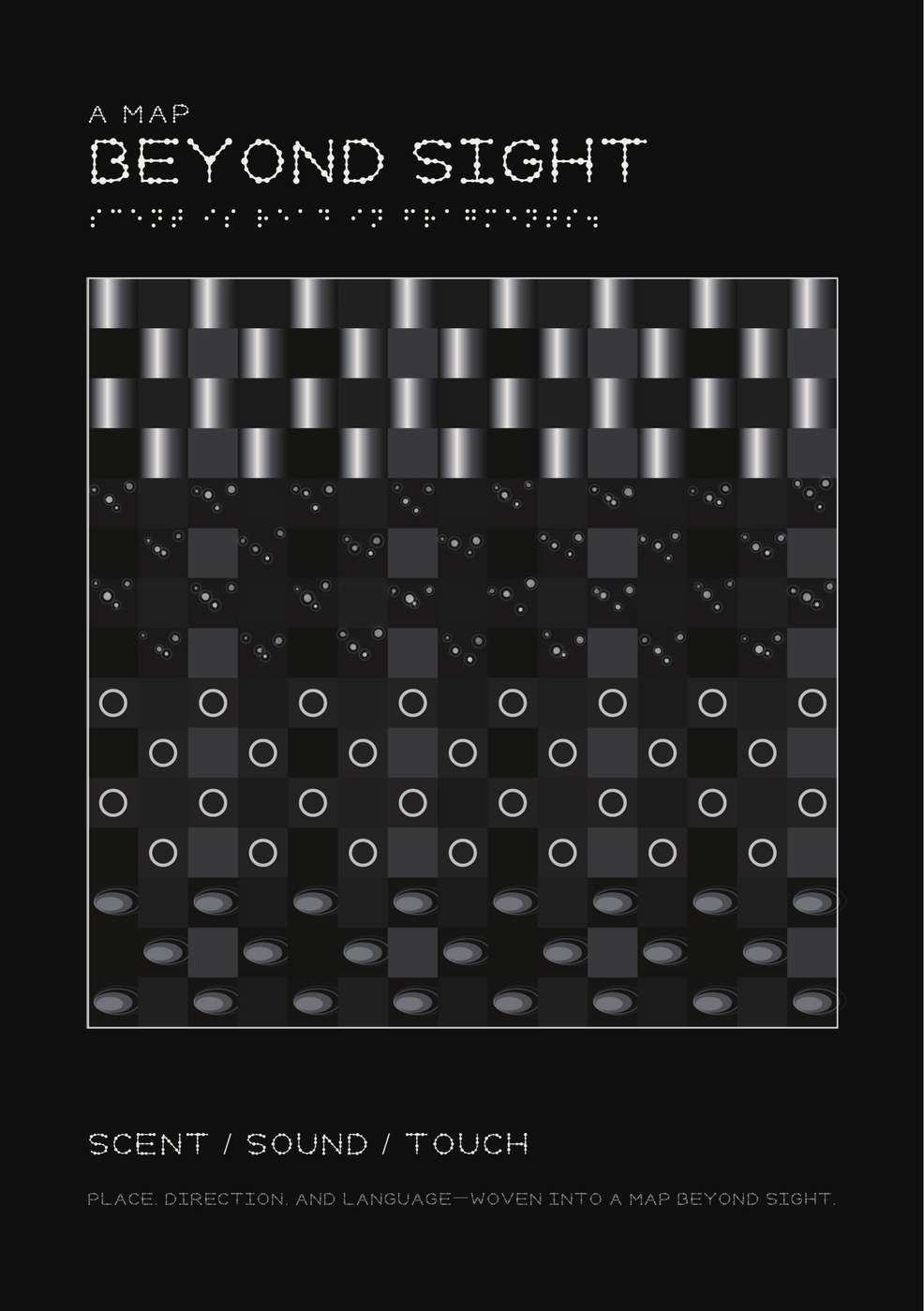
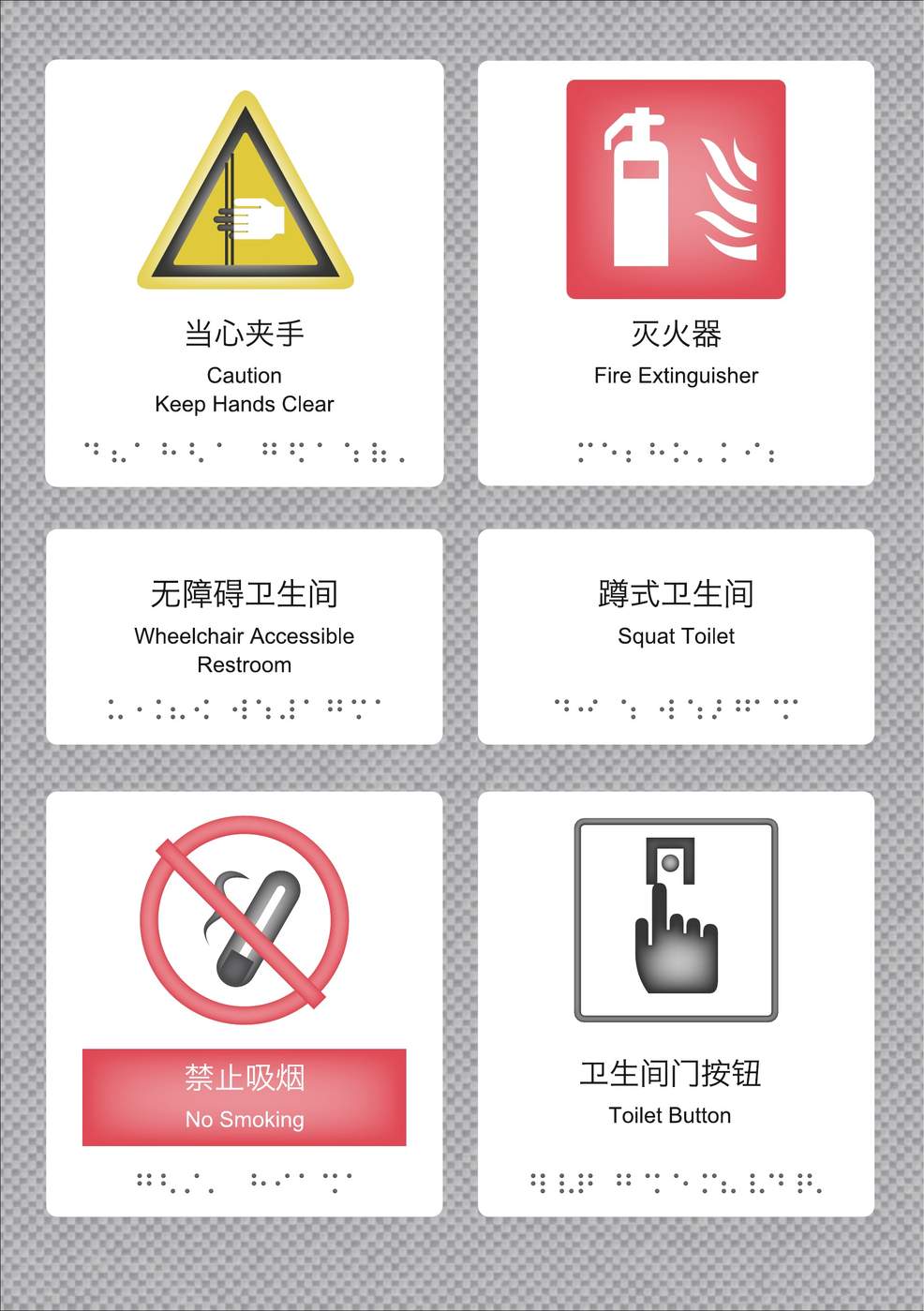
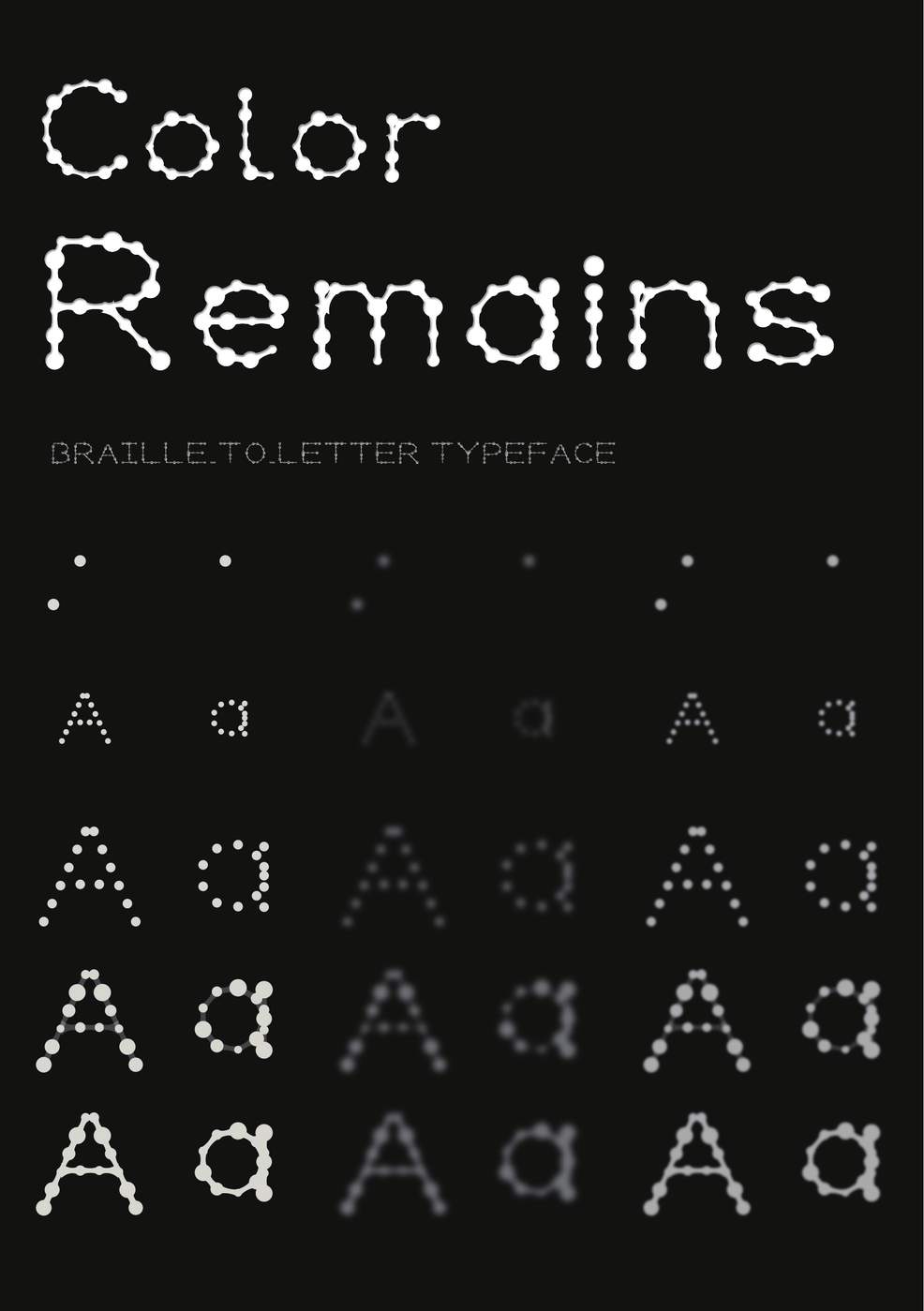
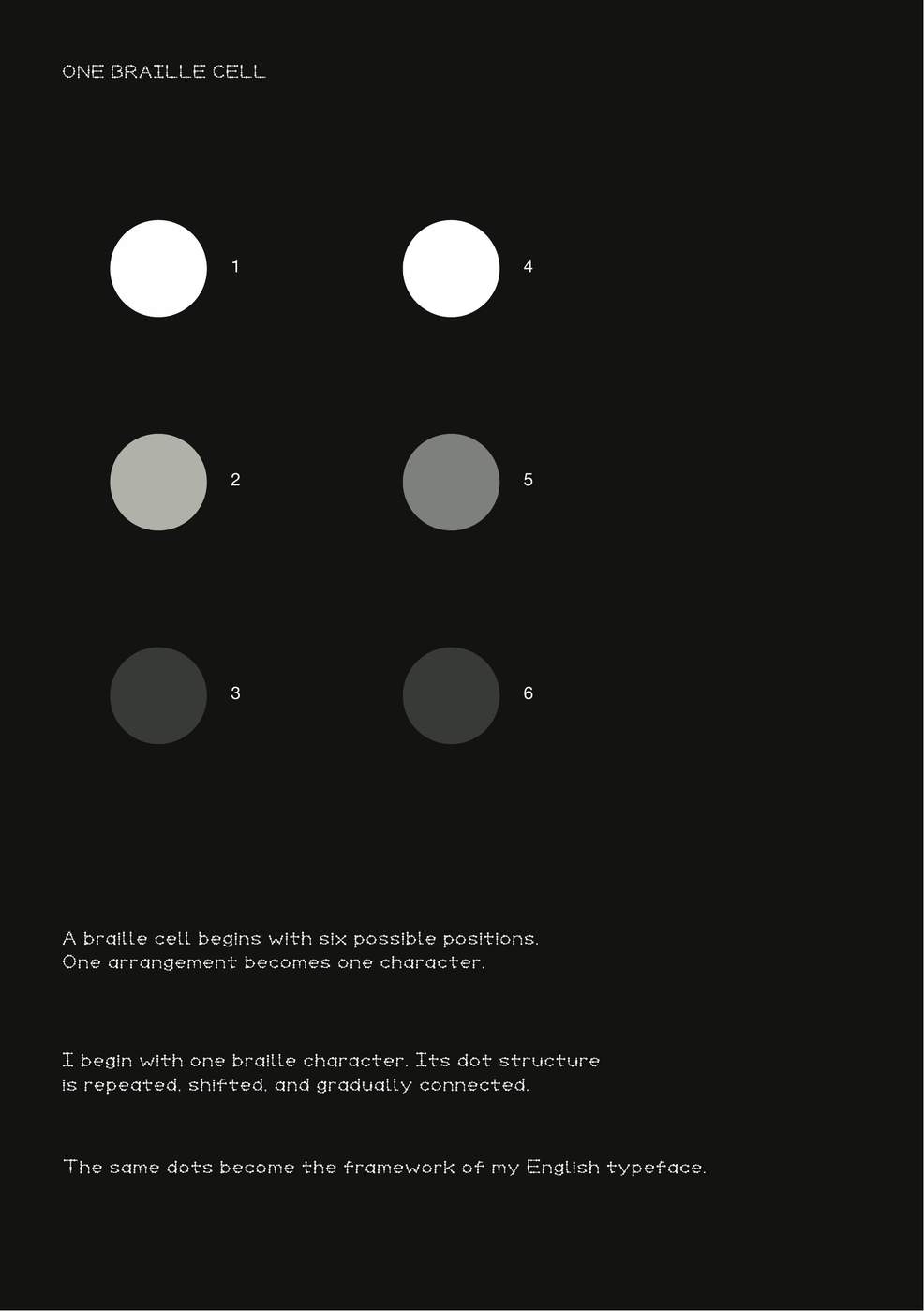
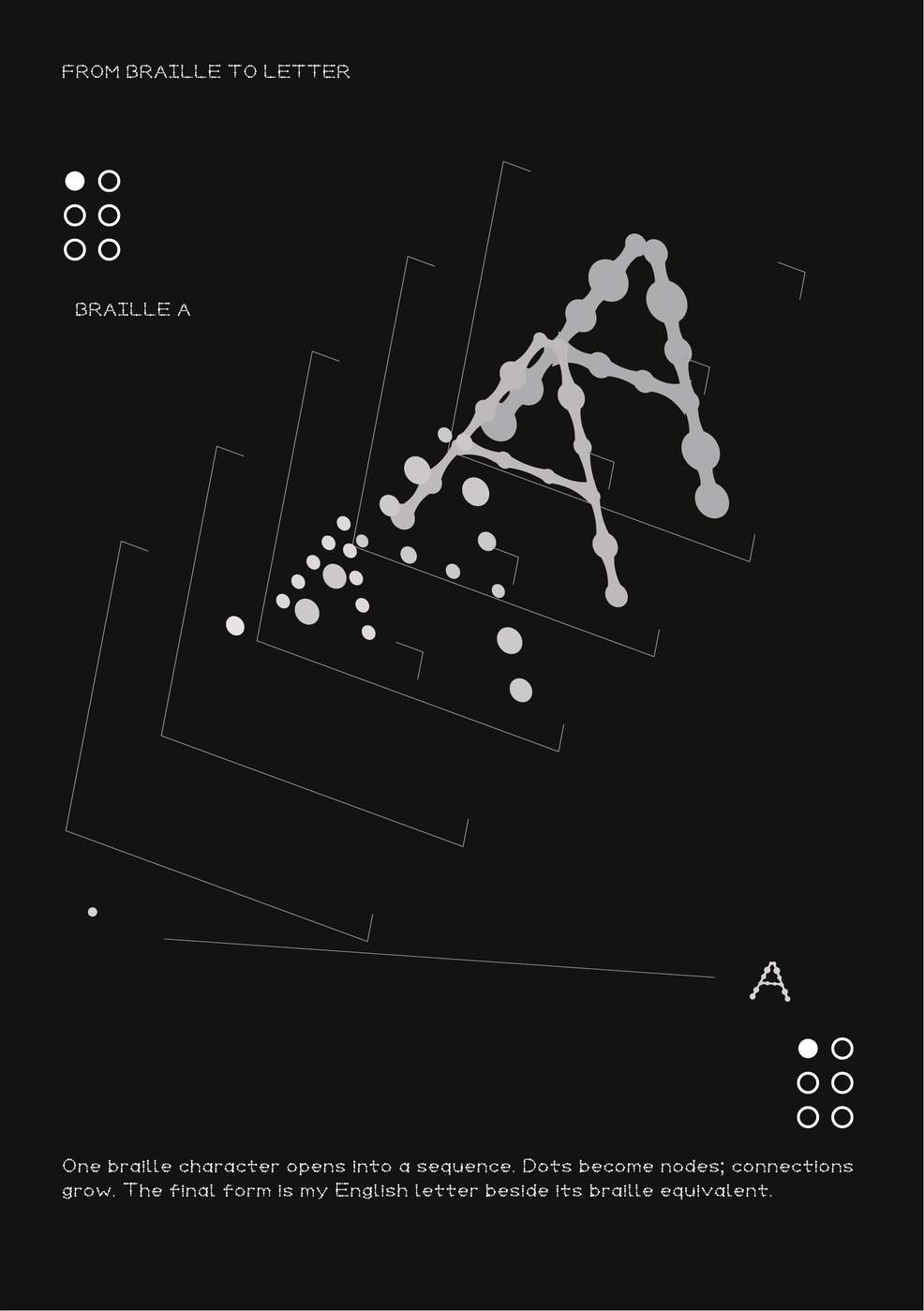
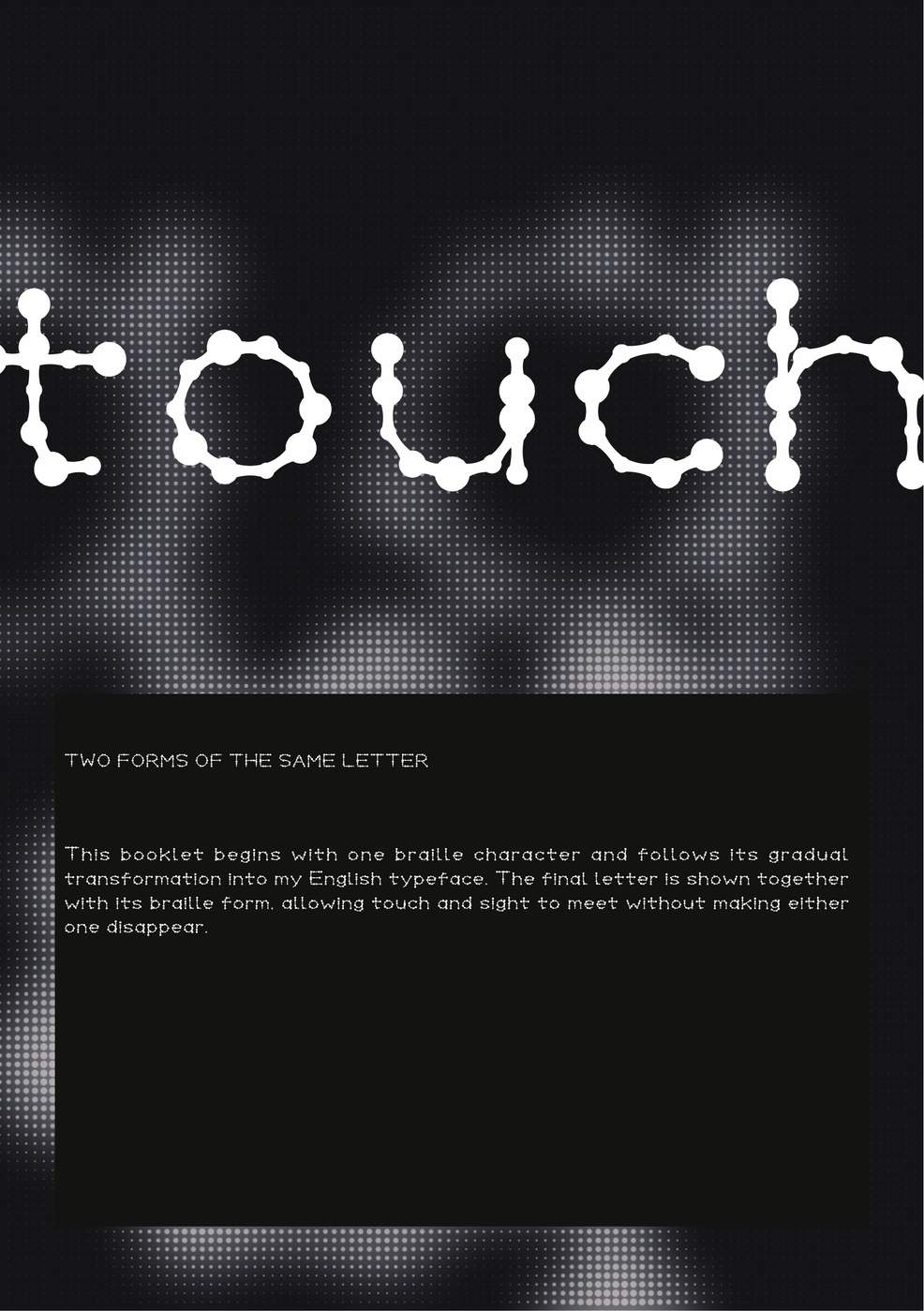
Braille provides a six-dot structure. These dots expand into a custom English typeface, tactile markings, sound fields and moving patterns. Changes in size, density and position suggest distance, sound and movement.

→
A
→
SENSE

FROM DOT TO LETTER — one graphic system shared by touch and sight.

04 / FOUR DAILY SITUATIONS
01

CROSSING

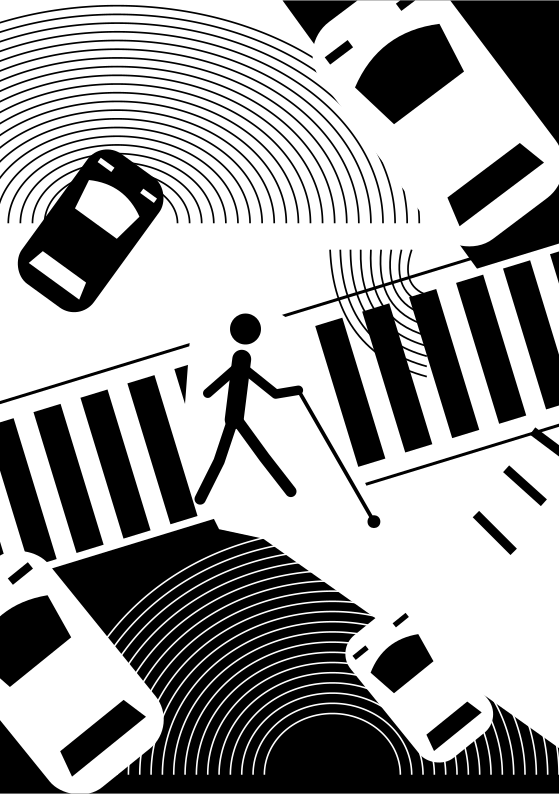
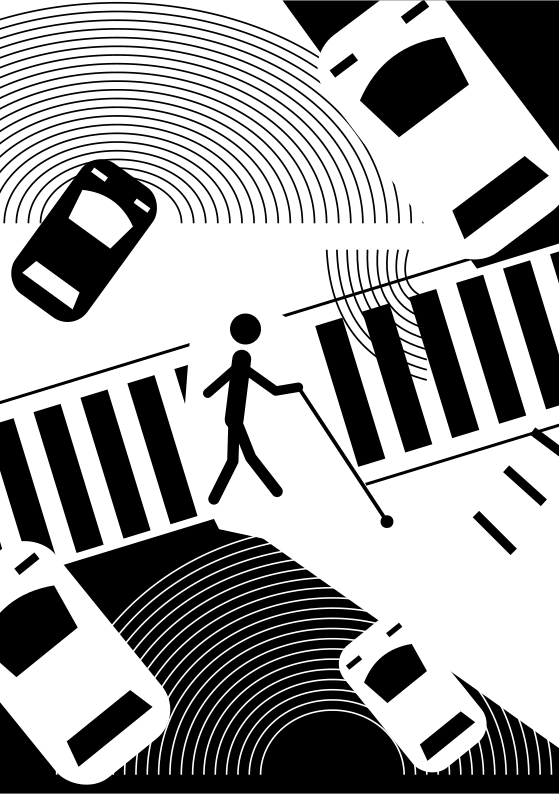
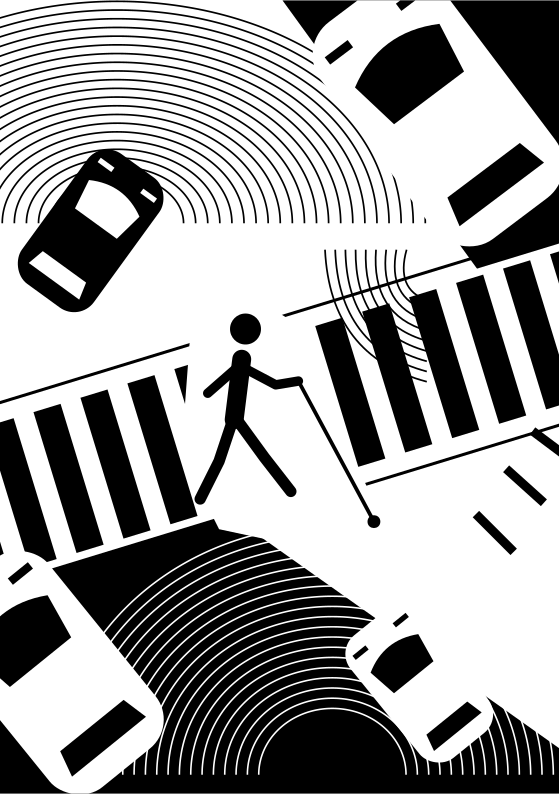
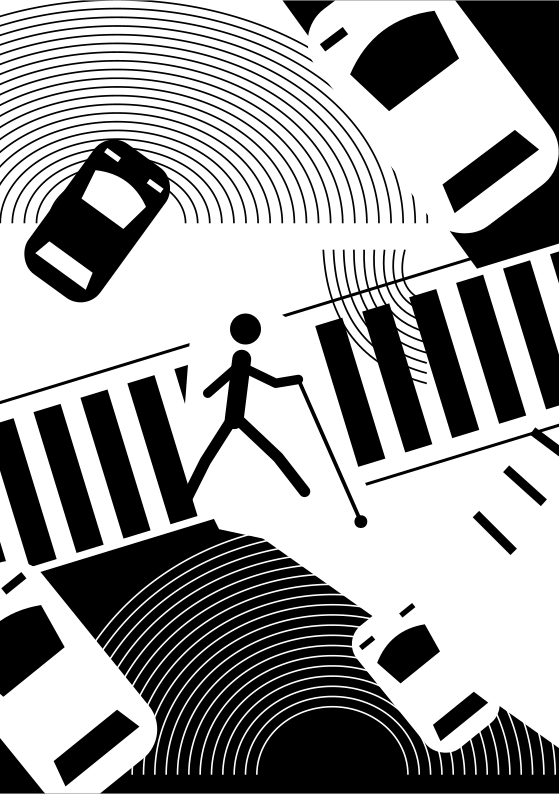
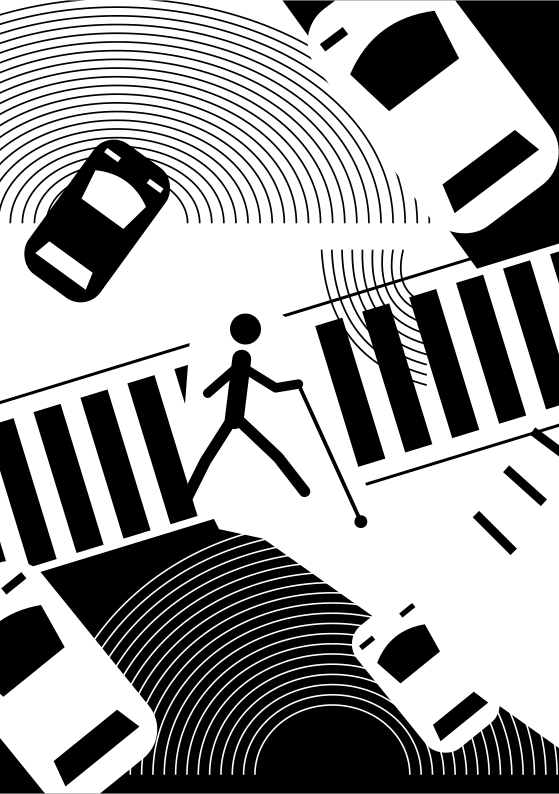
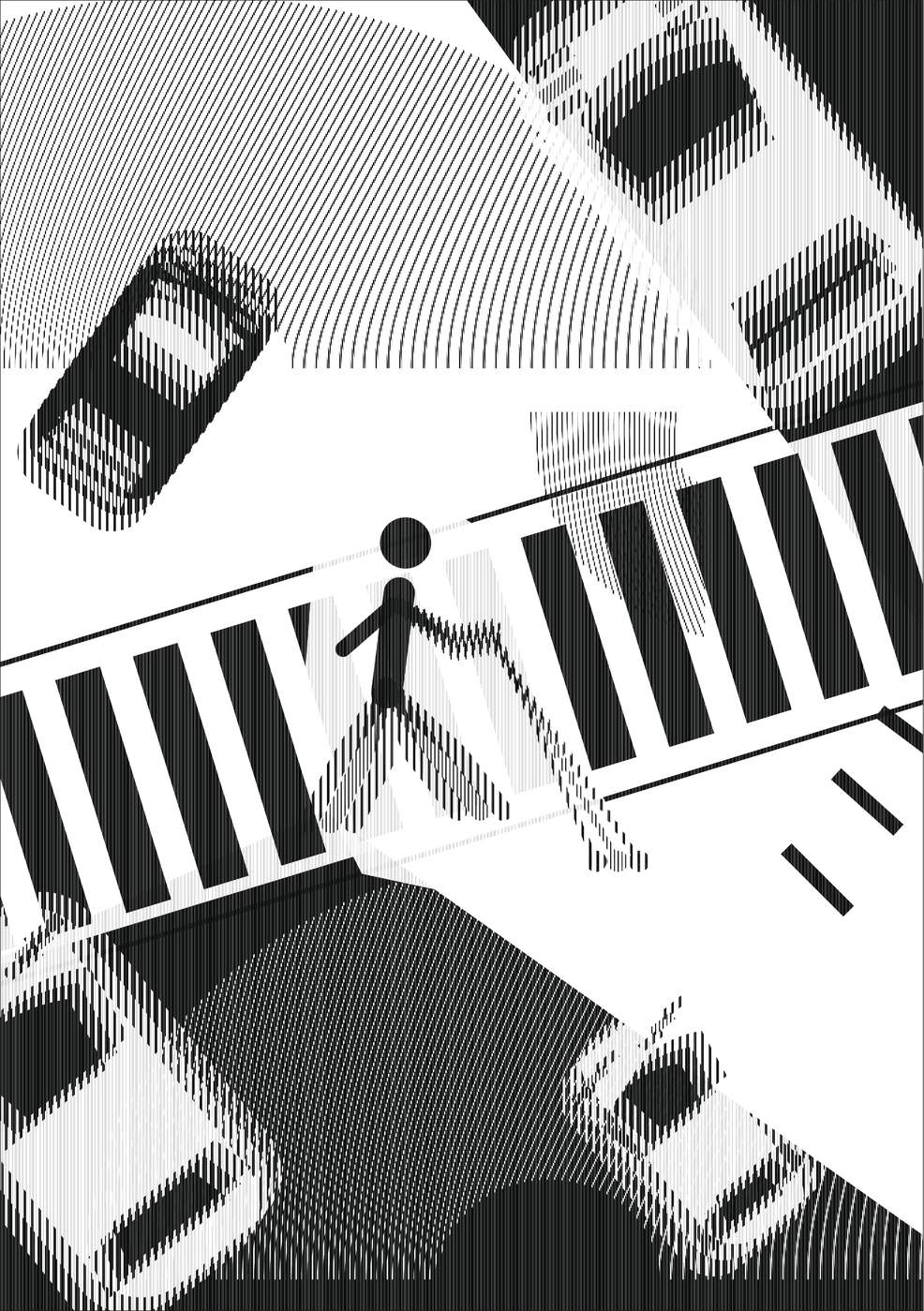
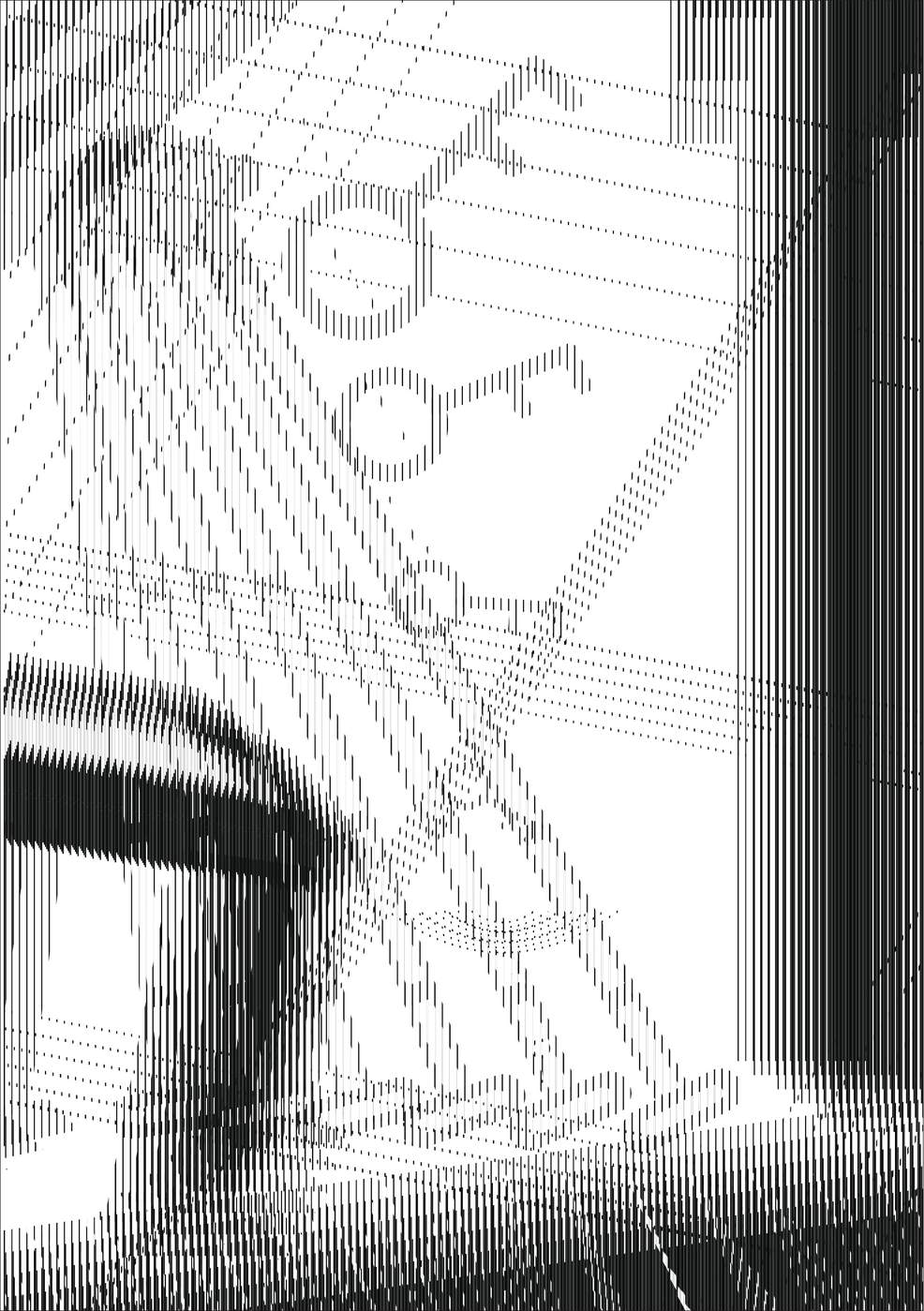
Cars approach from changing directions while the white cane sweeps across the road. The sequence separates traffic, movement and sound into different moments, showing how a crossing becomes uncertain when its signals are primarily visual.
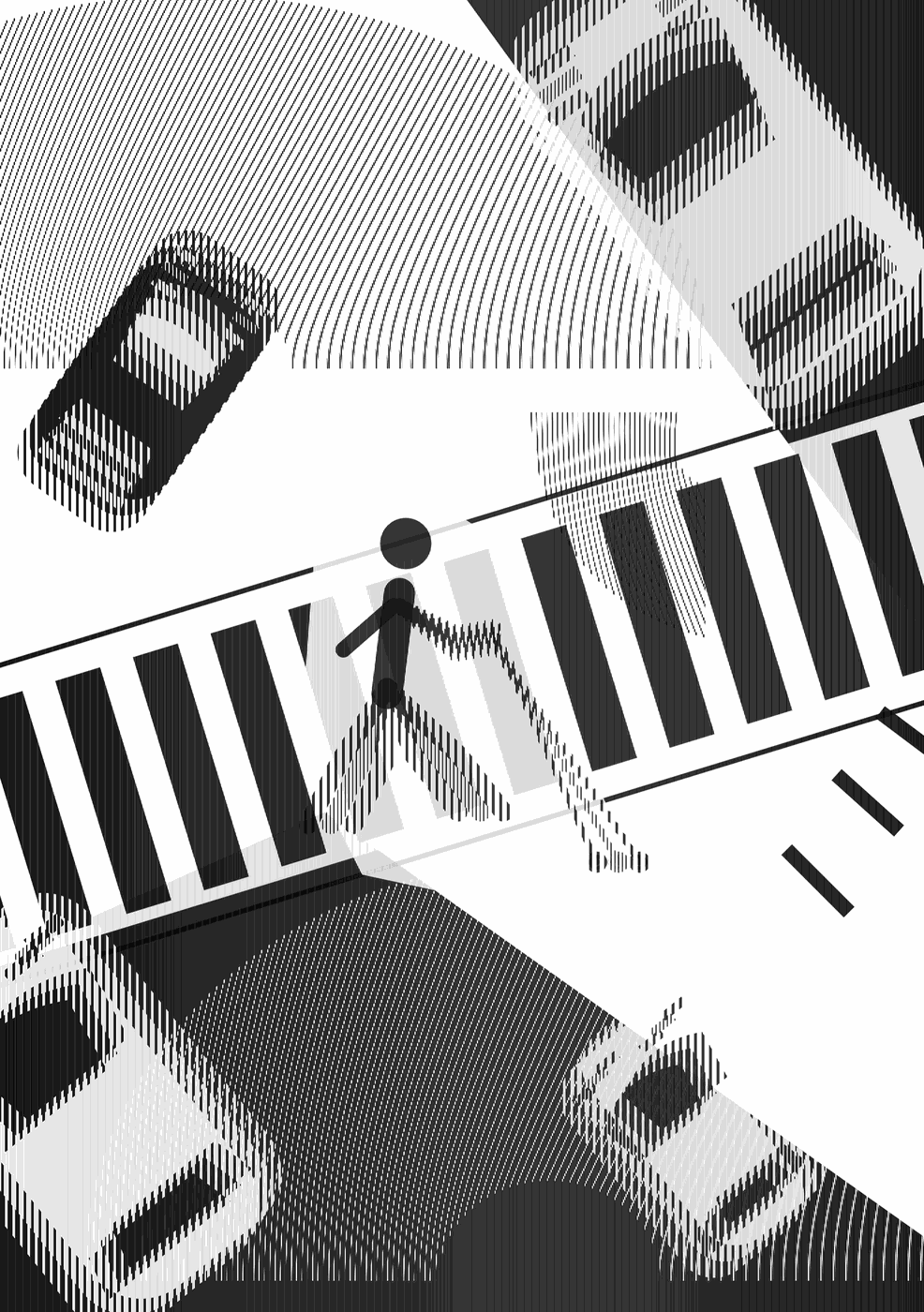
CROSSING interlaced base
CROSSING / SIX INTERLACED FRAMES
VIEW SOURCE FRAMES + INTERLACED BASE
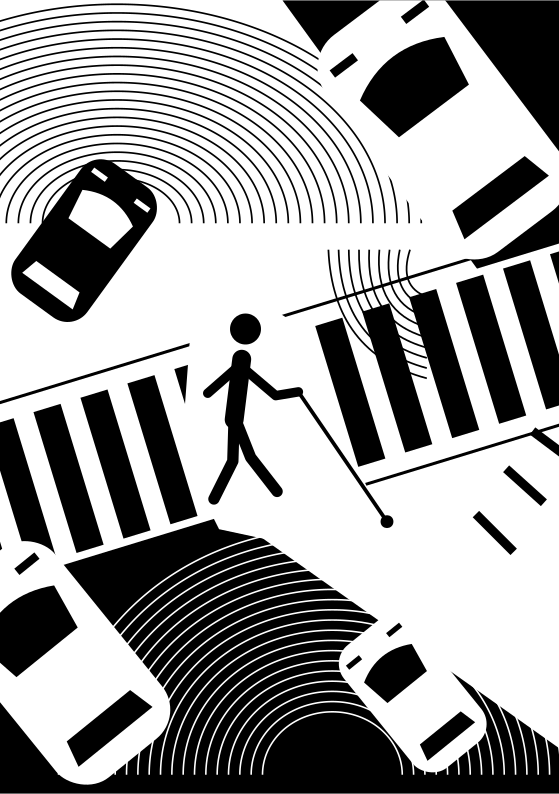
Crossing source frame 1Crossing source frame 2Crossing source frame 3Crossing source frame 4Crossing source frame 5Crossing source frame 6
Crossing interlaced print base
02

OUT OF PLACE
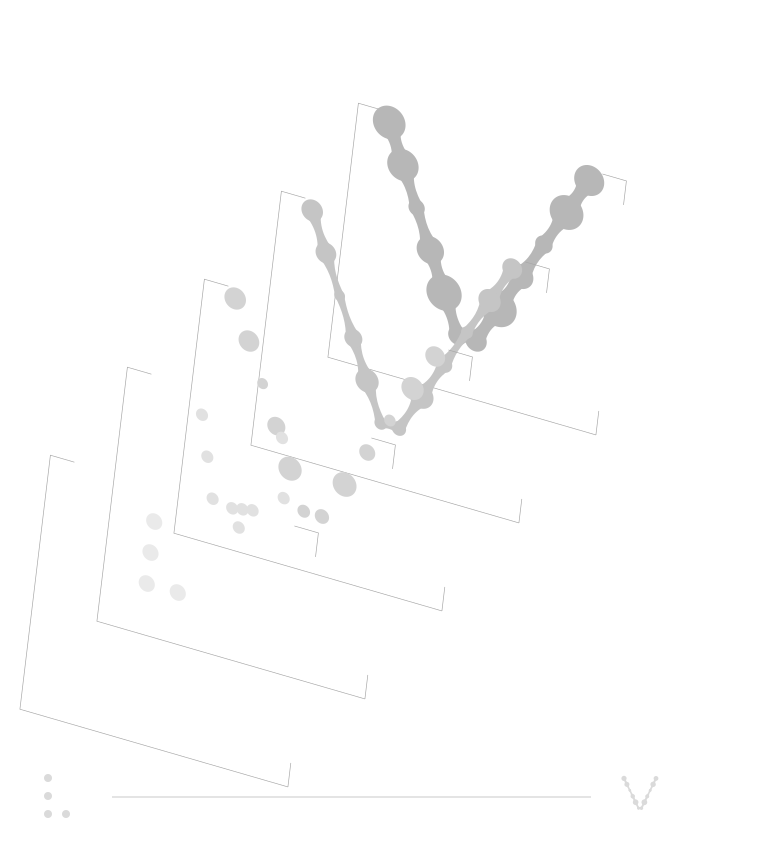
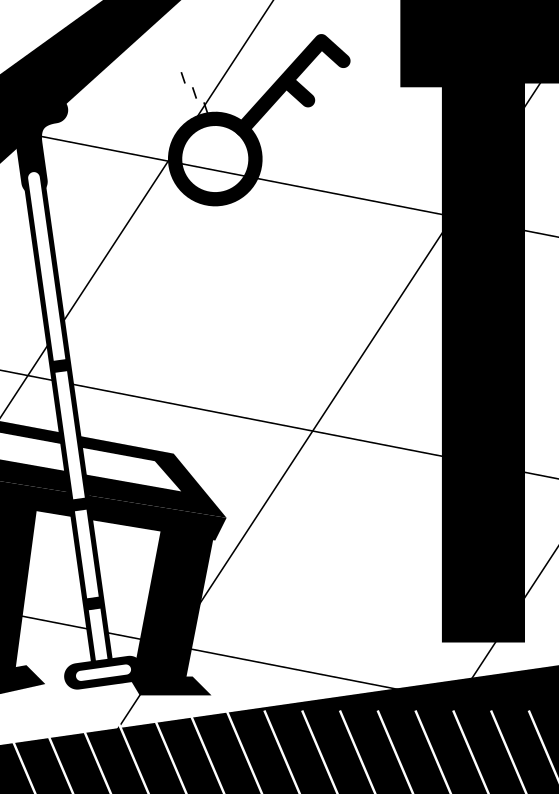
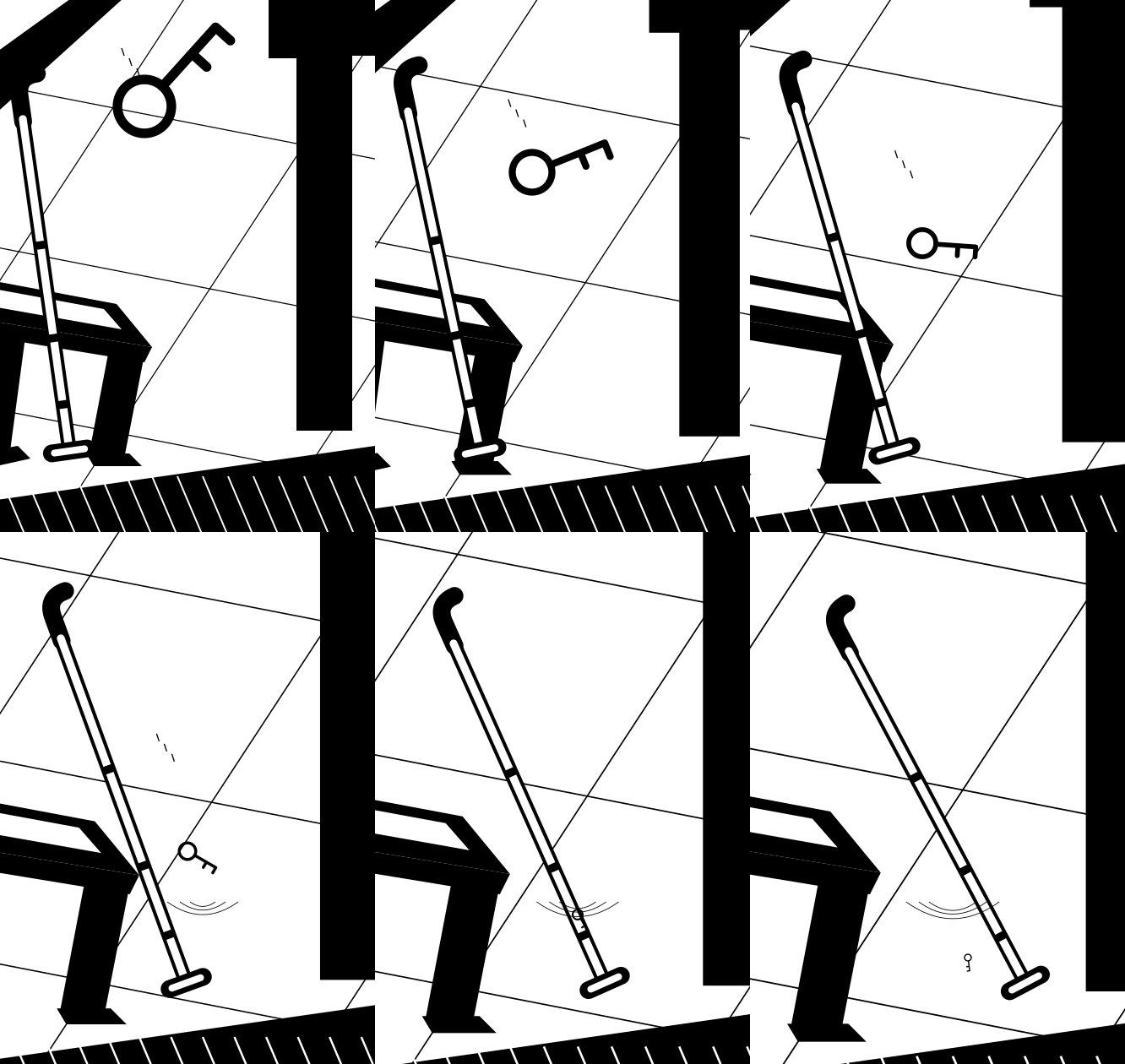
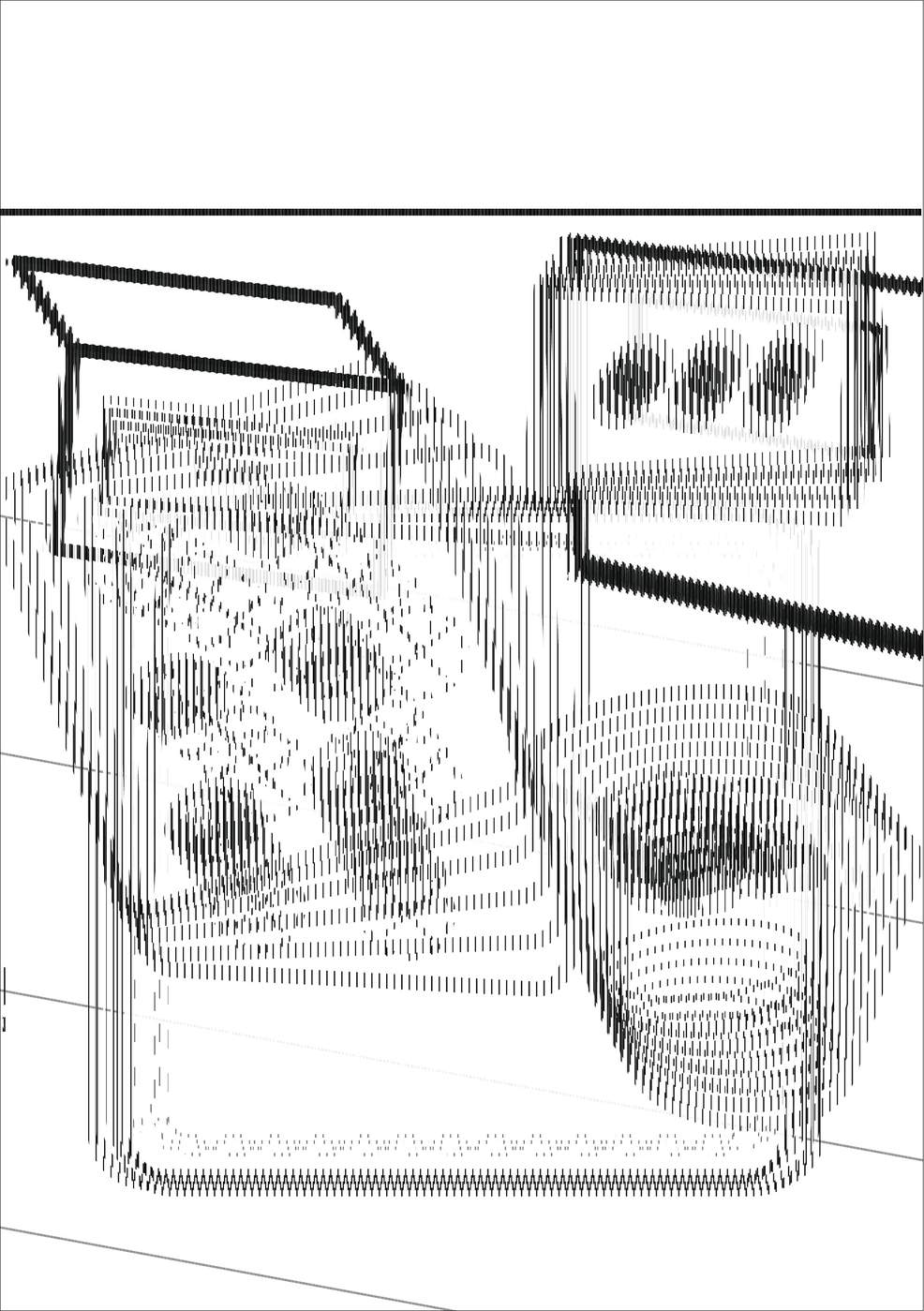
When a small object such as a key falls, a blind or visually impaired person cannot immediately confirm where it has landed. Its familiar position disappears, and the search depends on memory, sound, touch and the movement of a white cane. Across the six frames, the key becomes progressively smaller and more distant while the cane moves through the surrounding space. The sequence visualises the uncertainty of locating something that is present but no longer easy to reach.

OUT OF PLACE frame sequence
OUT OF PLACE / SIX INTERLACED FRAMES
VIEW SIX SOURCE FRAMESSix source frames of the dropped object sequence
03

DISTANCE
AS SOUND

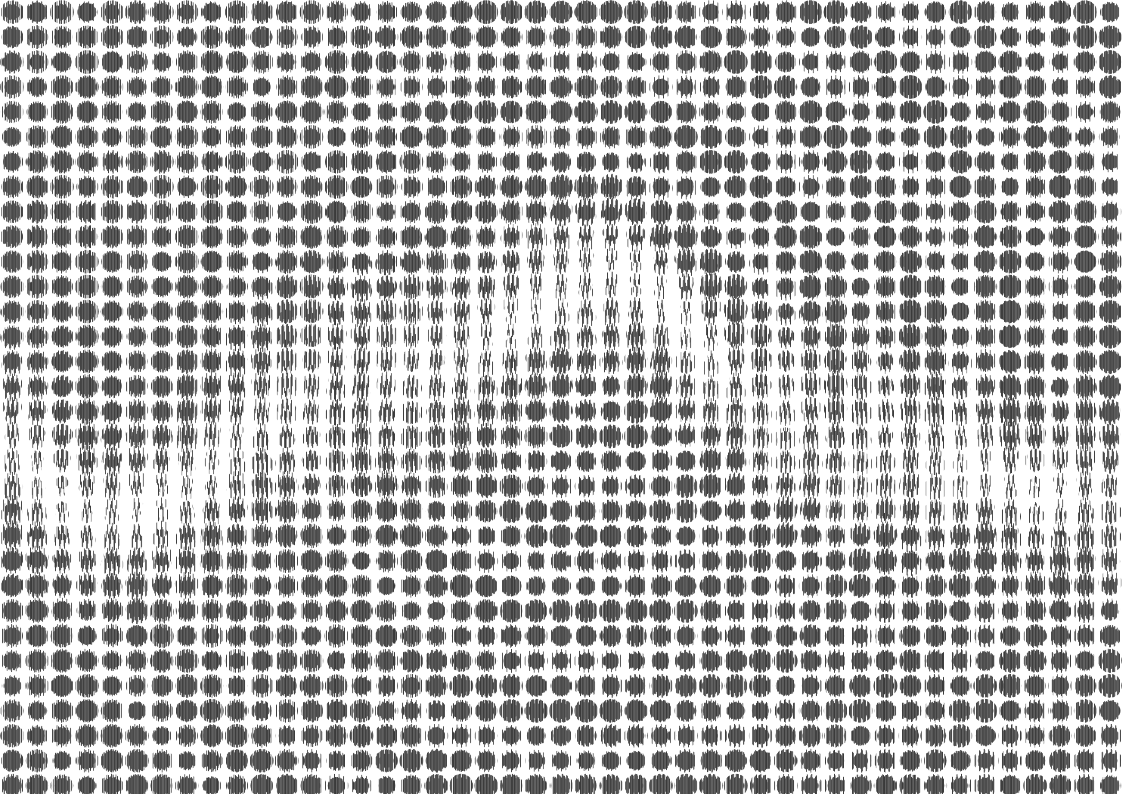
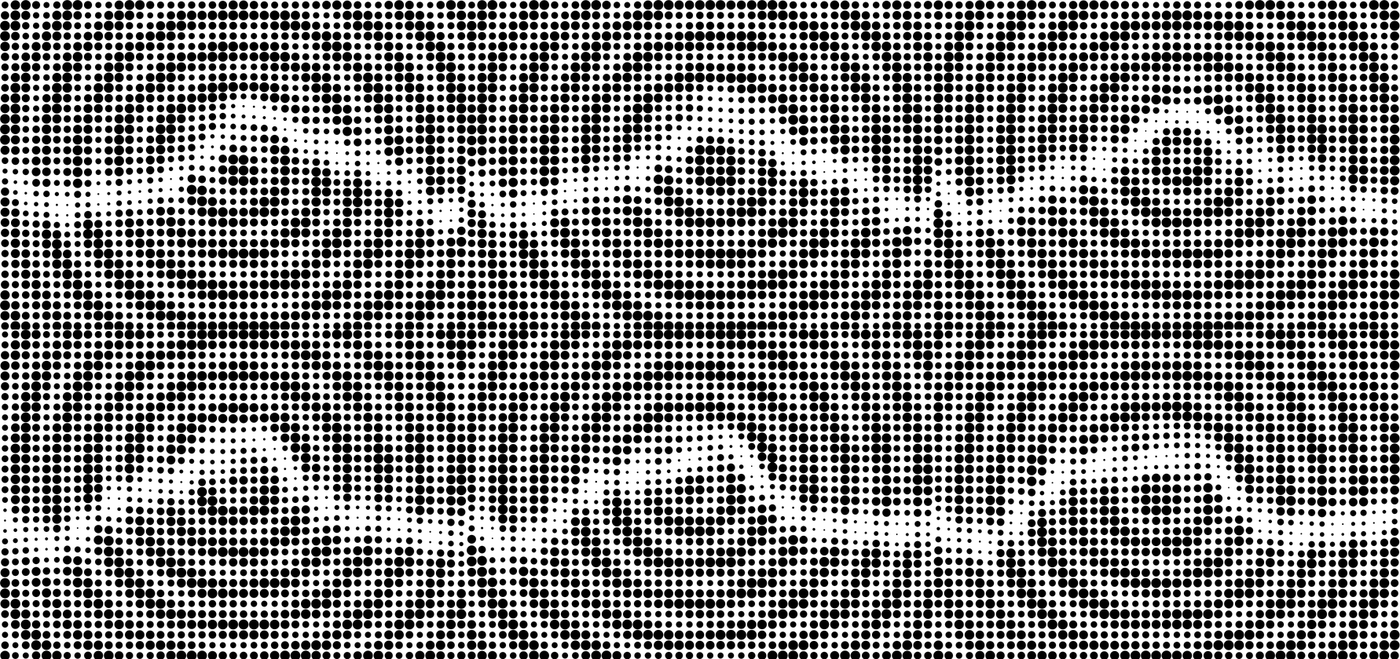
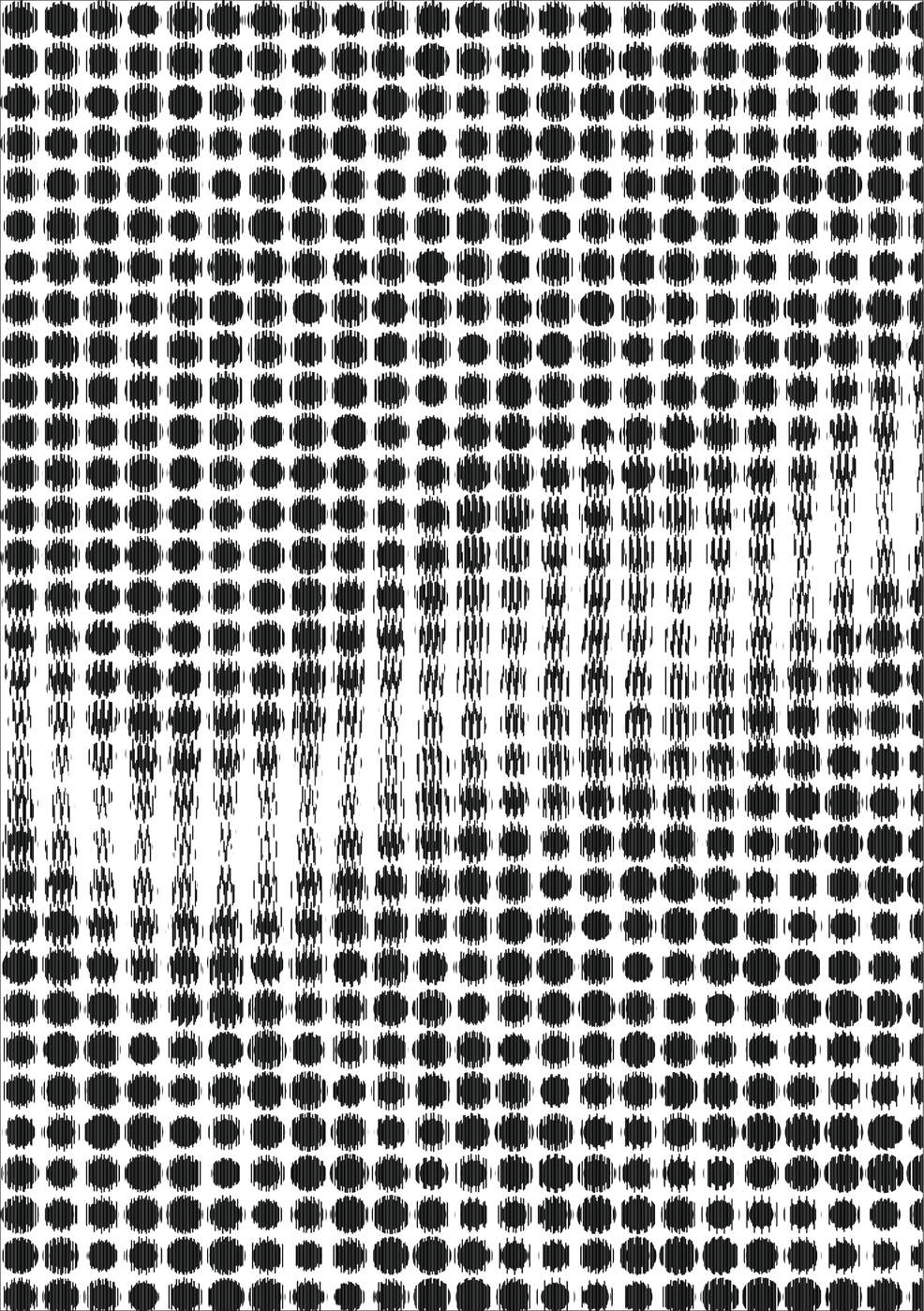
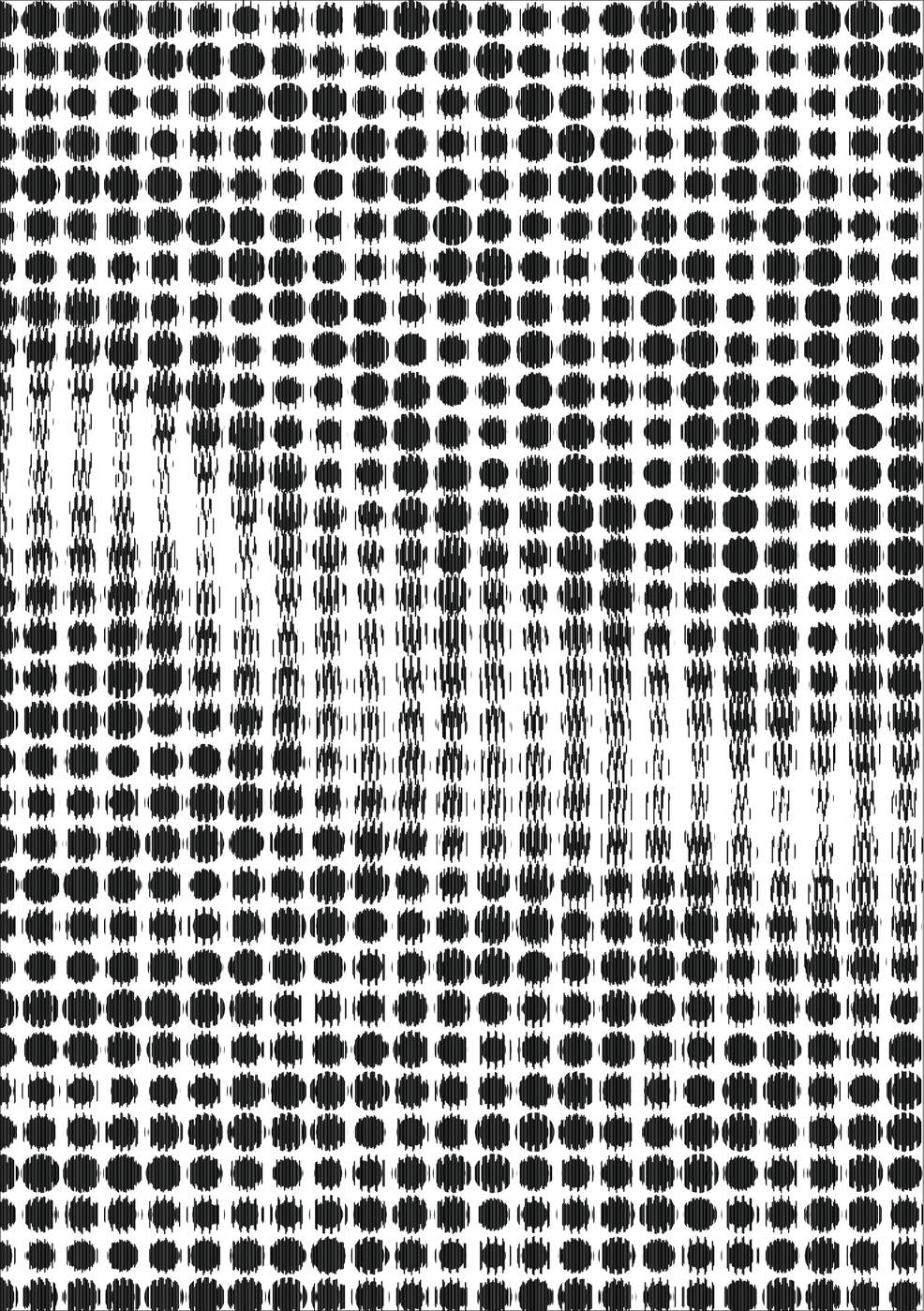
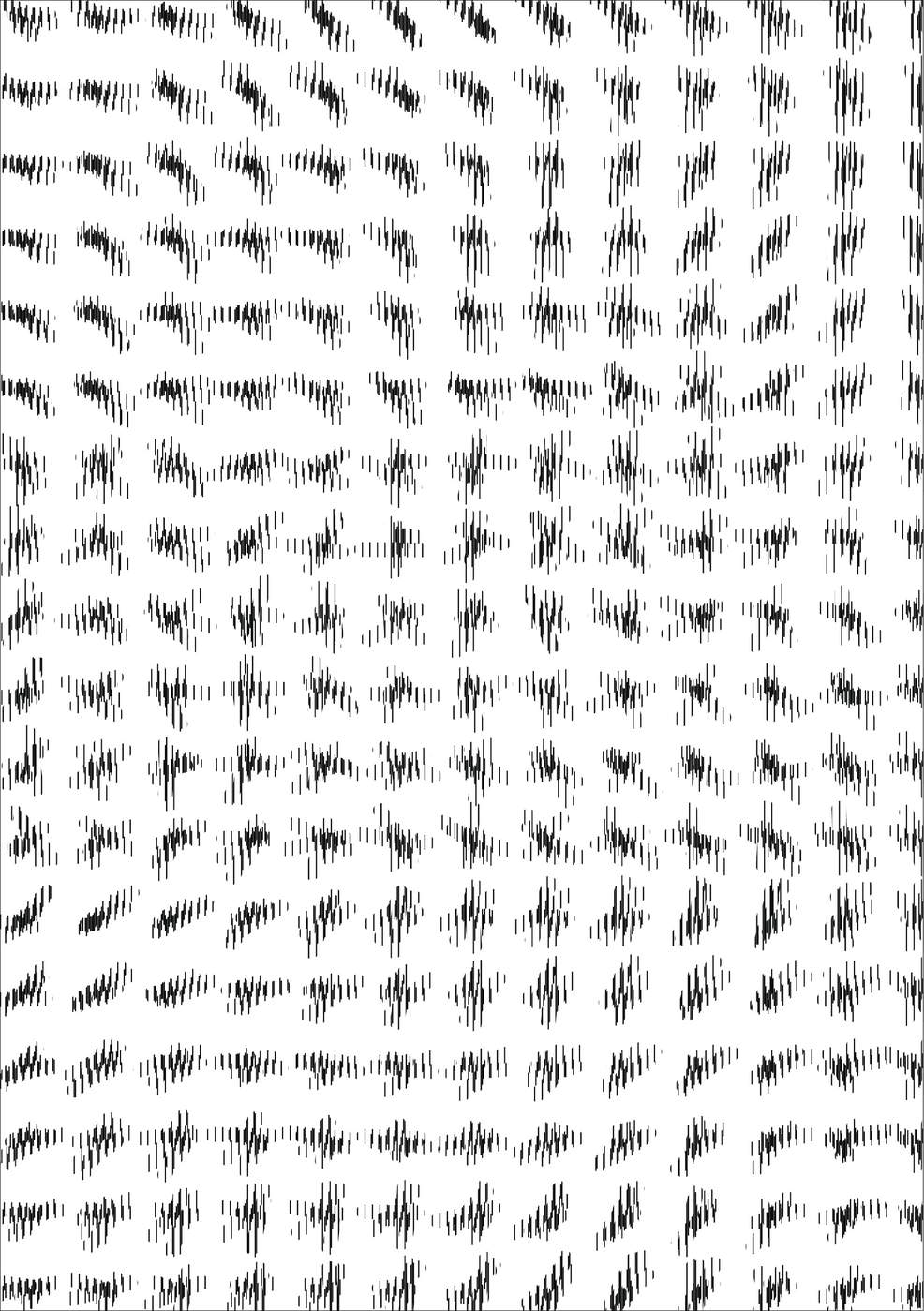
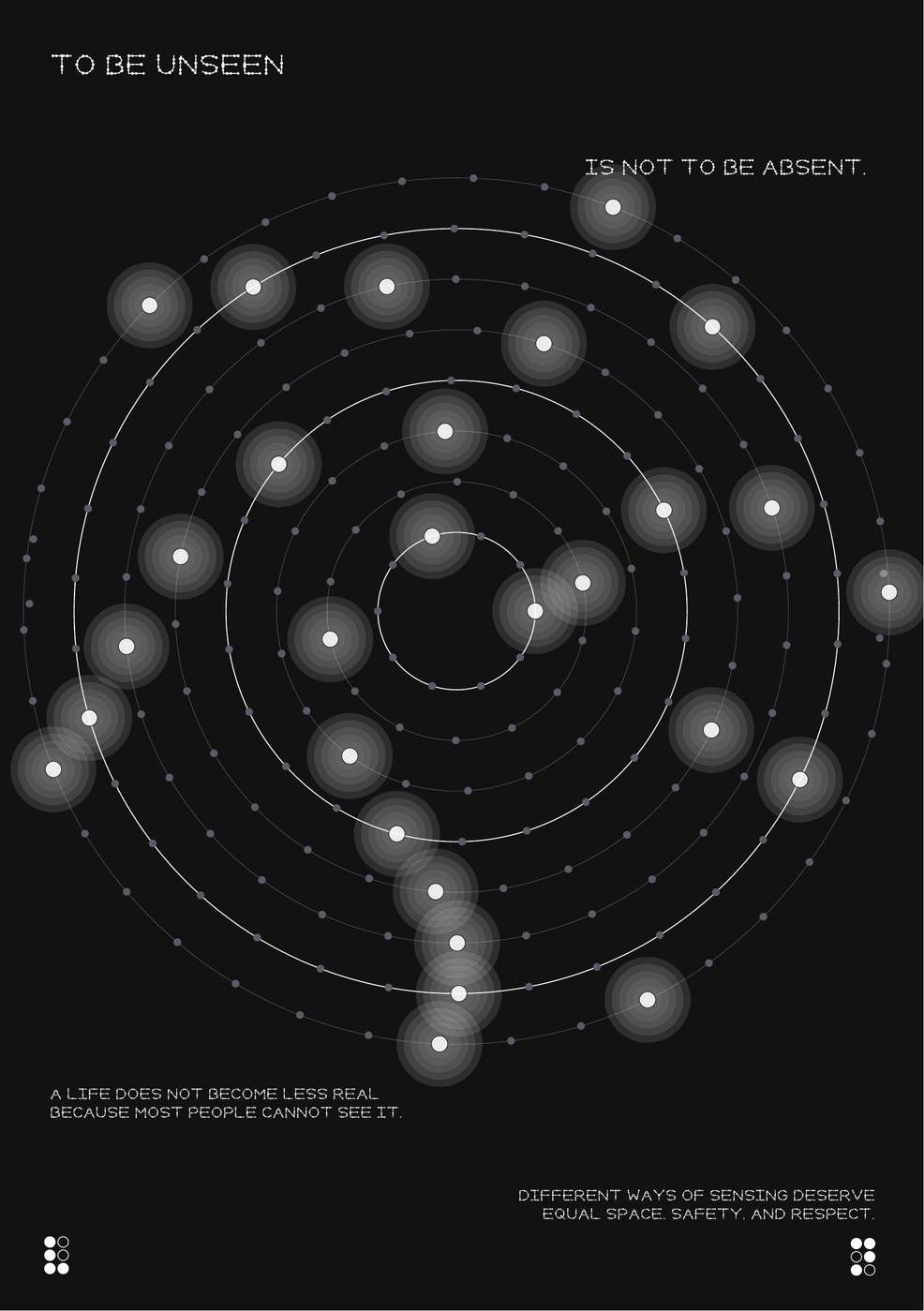
Dots expand, contract and gather across the frame. Their scale and density describe the direction and distance of sound, allowing an unseen space to form through rhythm rather than perspective.

DISTANCE AS SOUND interlaced base
DISTANCE AS SOUND / SIX INTERLACED FRAMES
VIEW SIX FRAMES + PRODUCTION LAYERSSix source frames of the sound field
Sound field interlaced printSound field moving black grating
04

RISING
WATER

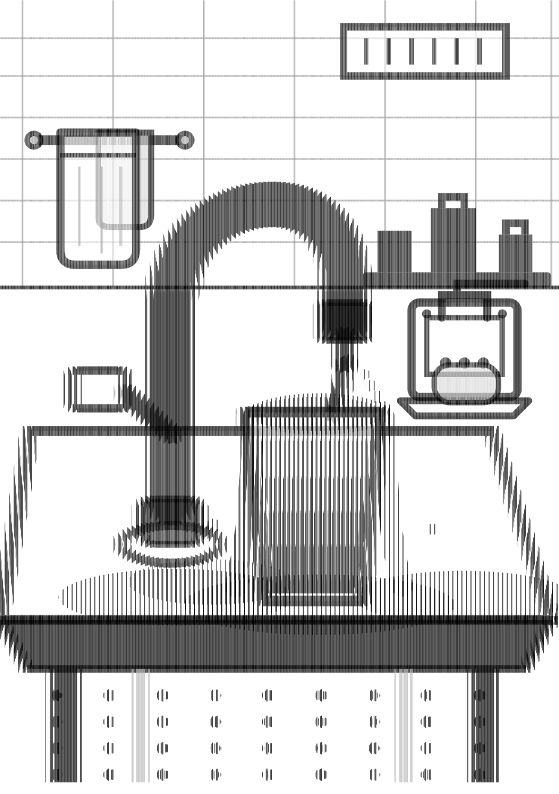
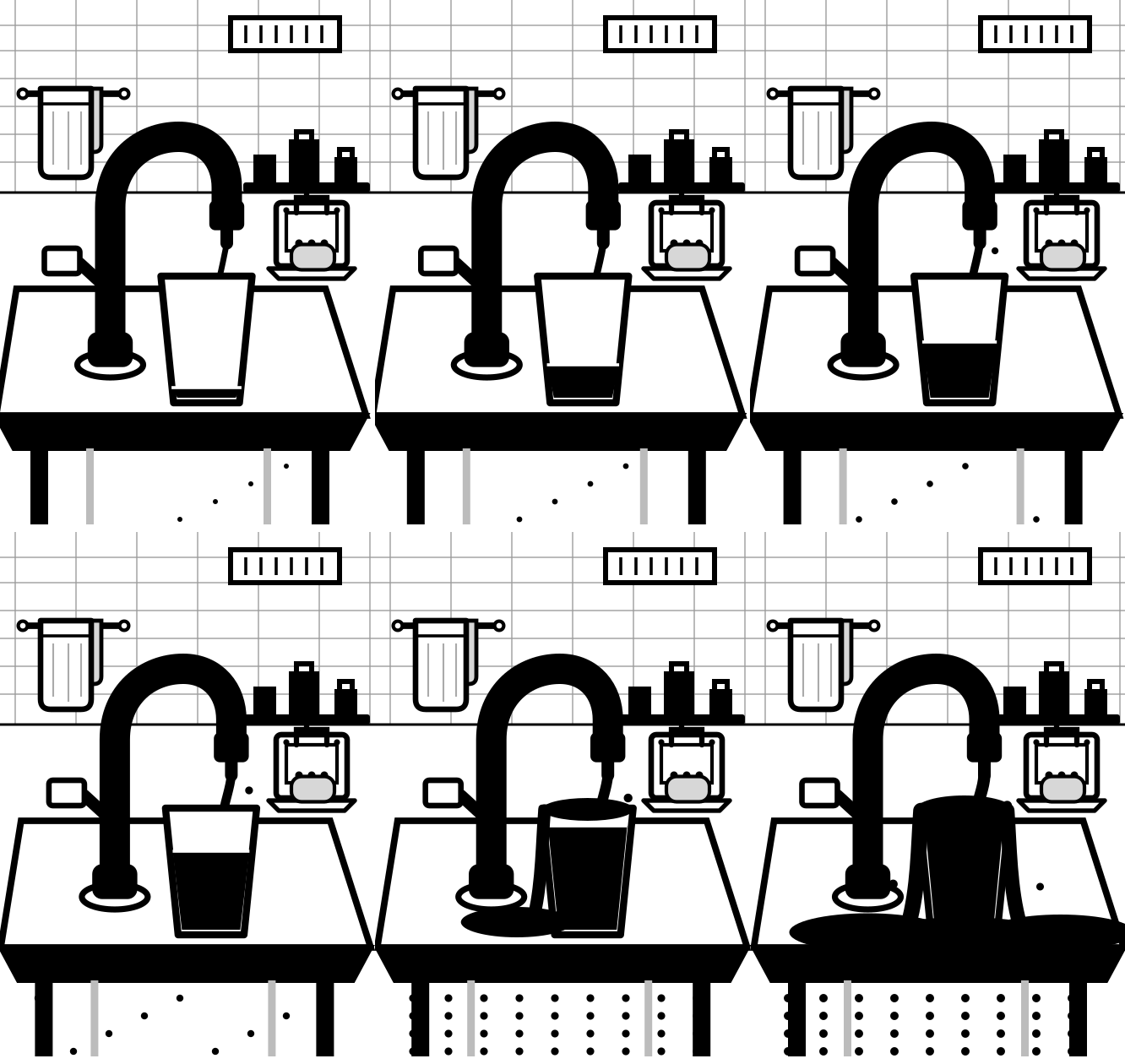
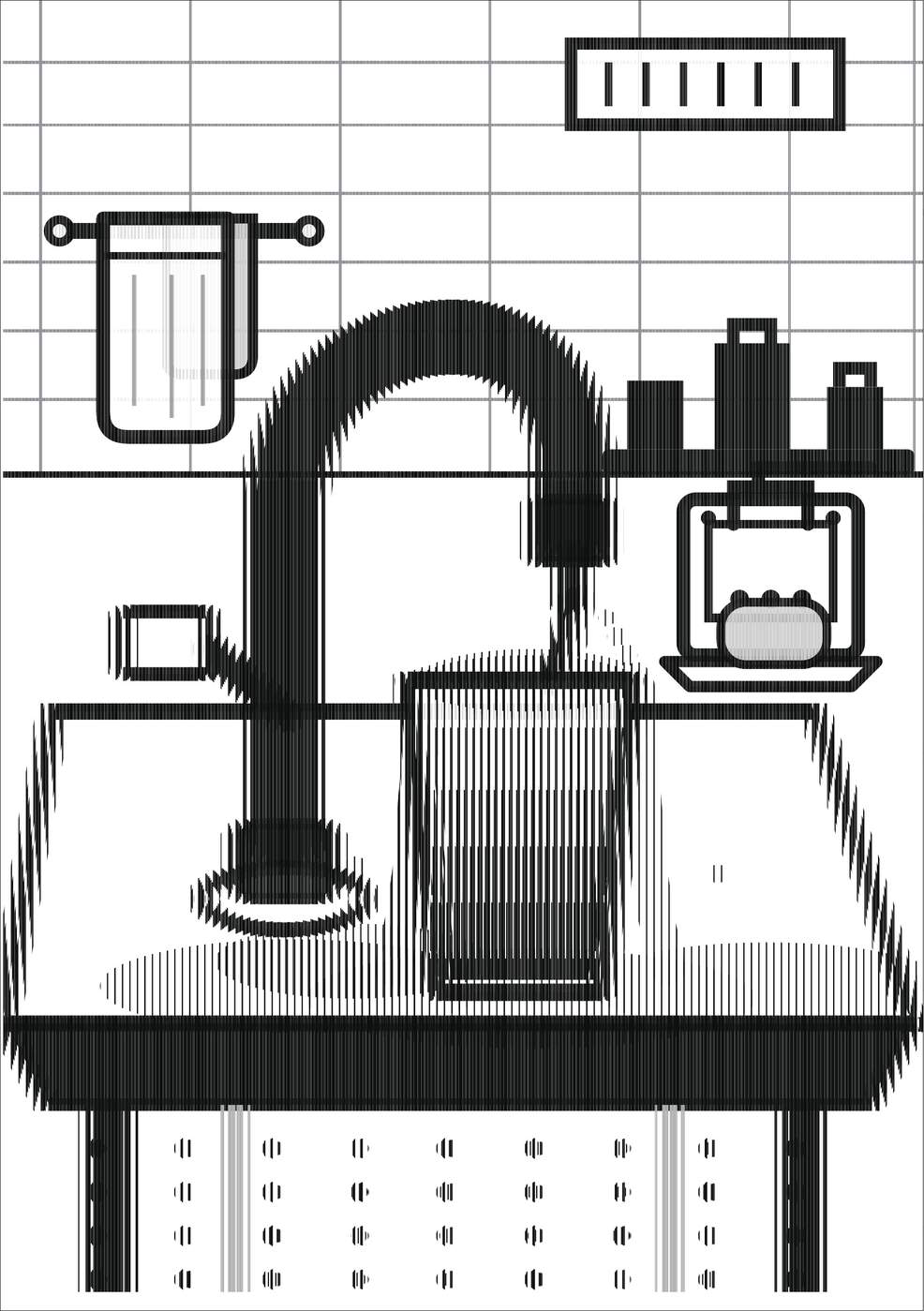
When filling a glass, a blind or visually impaired person may not be able to judge the remaining capacity through sight. Without an audible, tactile or automatic signal, the changing water level can be difficult to measure and may rise beyond the rim. This six-frame sequence follows the water as it gradually fills the glass, reaches the edge and finally spills across the surface, turning an everyday action into a visible study of inaccessible information.

RISING WATER interlaced base
RISING WATER / SIX INTERLACED FRAMES
VIEW SIX FRAMES + PRODUCTION LAYERSSix source frames of the rising water sequence
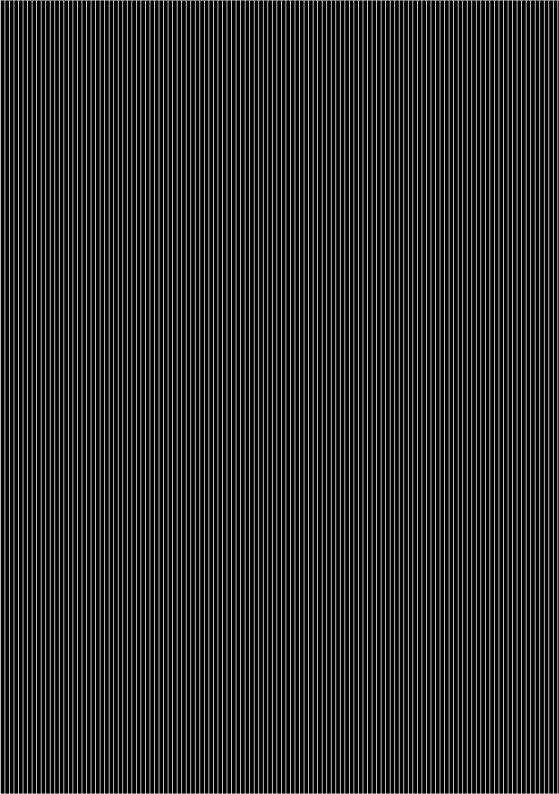
Water interlaced printWater moving black grating
05 / PRINTED MOTION

MOVE TO
REVEAL.

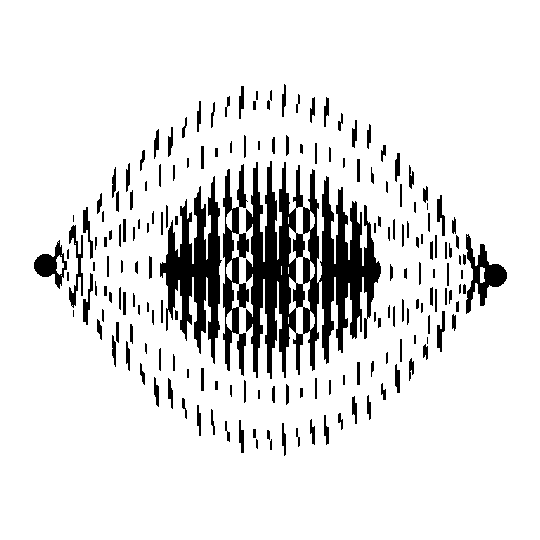
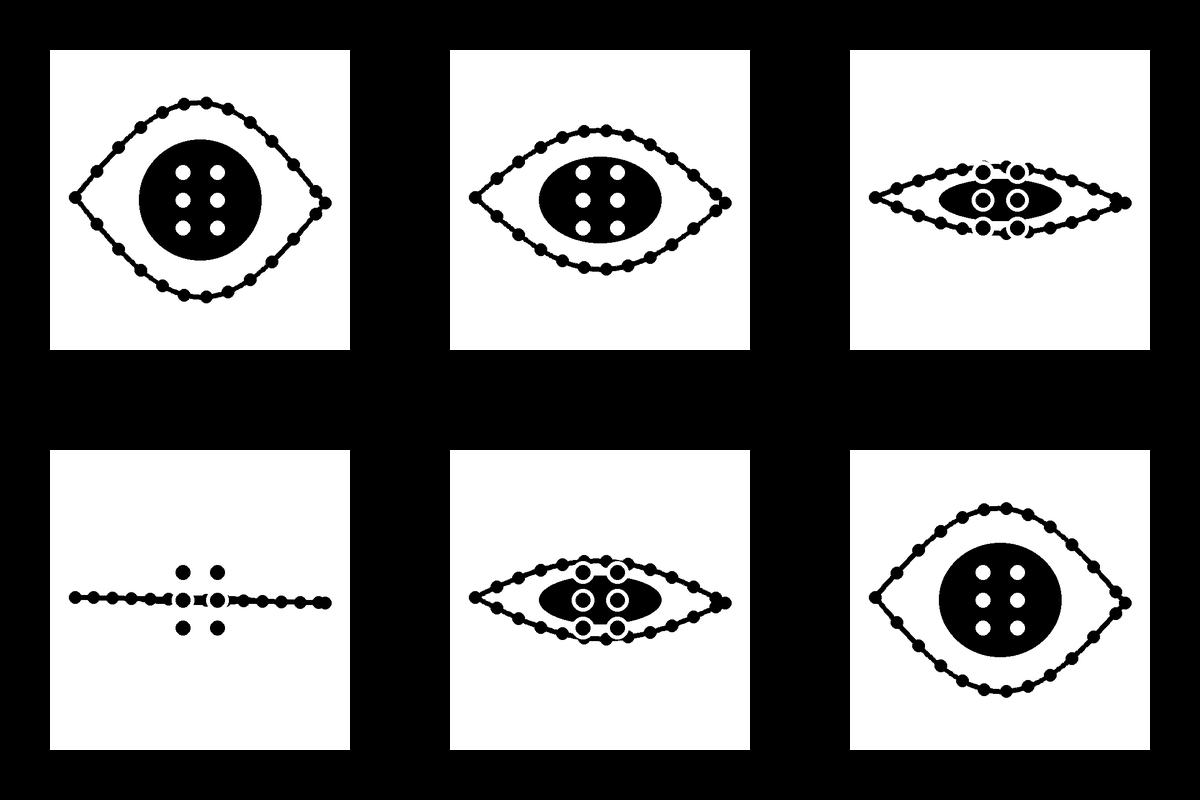
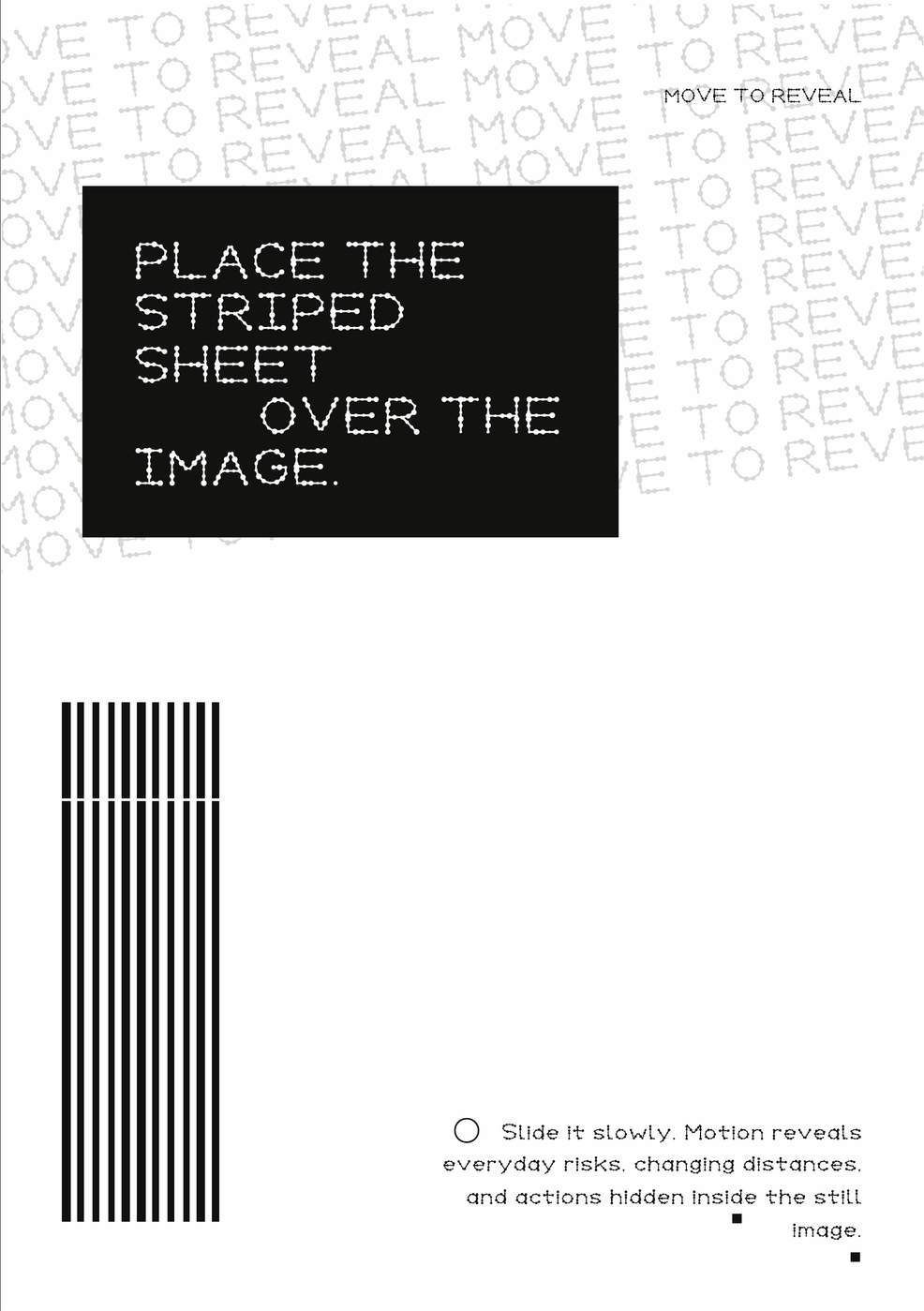
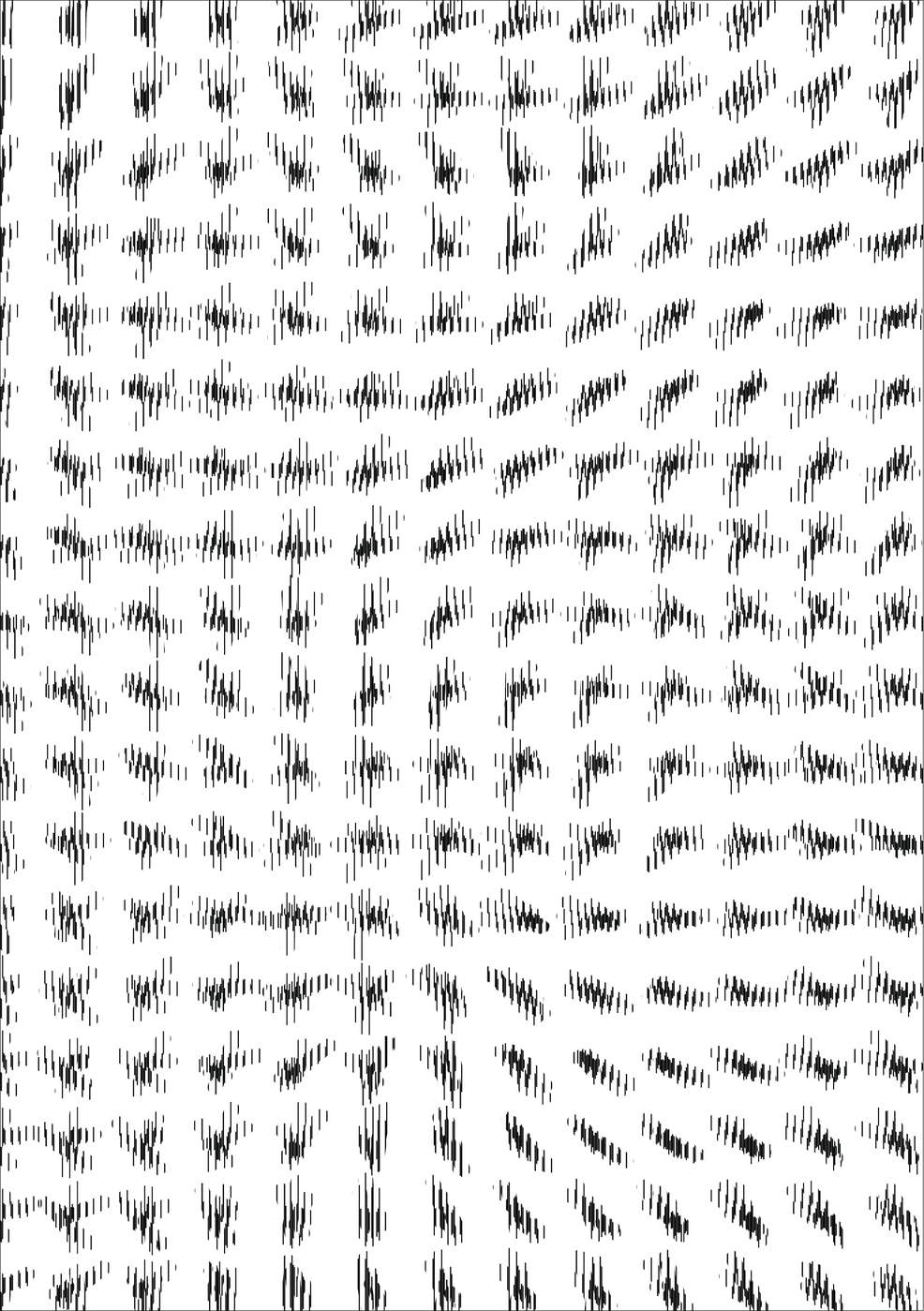
Each animation begins as six vector frames. They are divided into equal vertical strips and interlaced into one image. A black grating placed above the print reveals one set of strips at a time.

01 DRAW02 SLICE03 INTERLACE04 MASK05 MOVE06 REVEAL
Interlaced six-frame eye image
0.00.2 MM INTERVAL1.2
VIEW THE COMPLETE SIX-FRAME PROCESS ↓Six exact eye states used to construct the interlaced base
06 / VECTOR ALPHABET

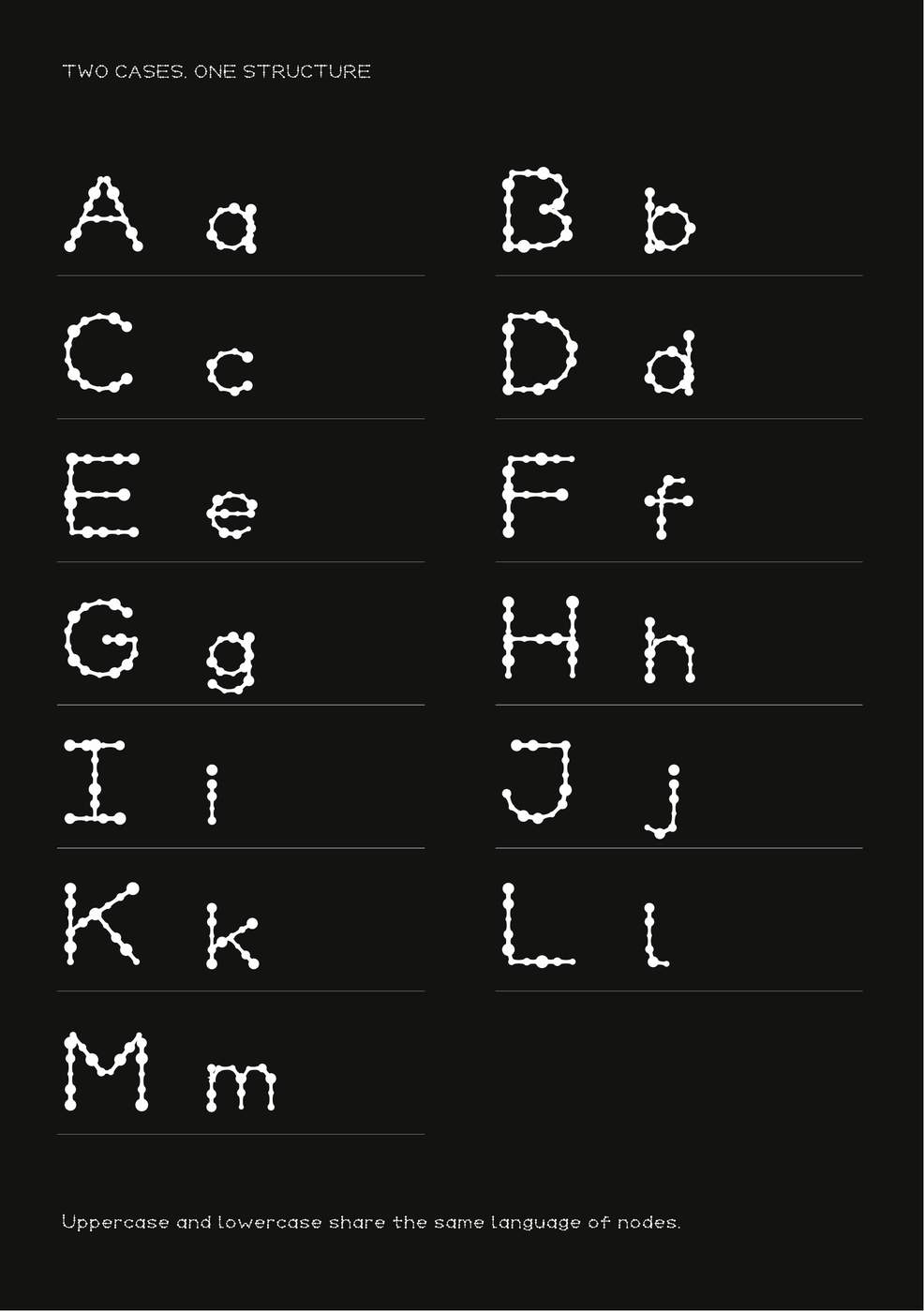
Aa Bb
Cc Dd

FROM DOT
TO LETTER

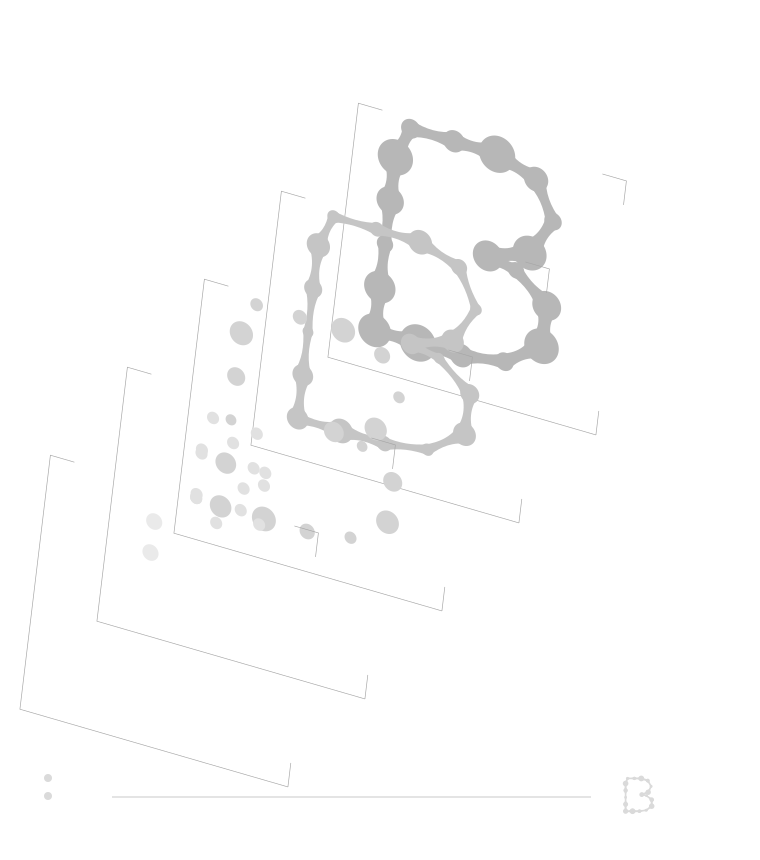
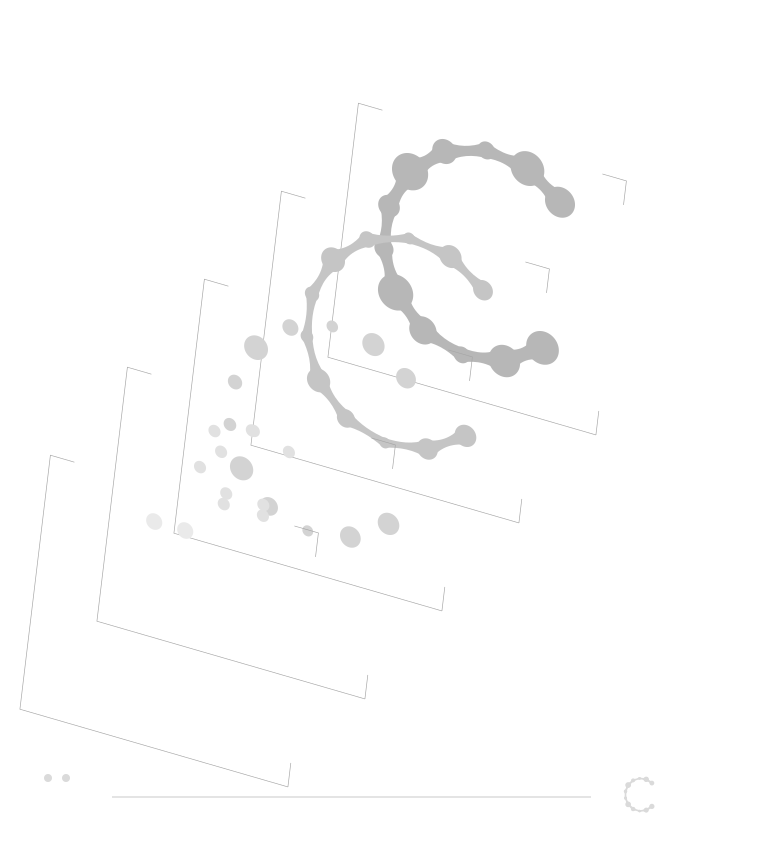
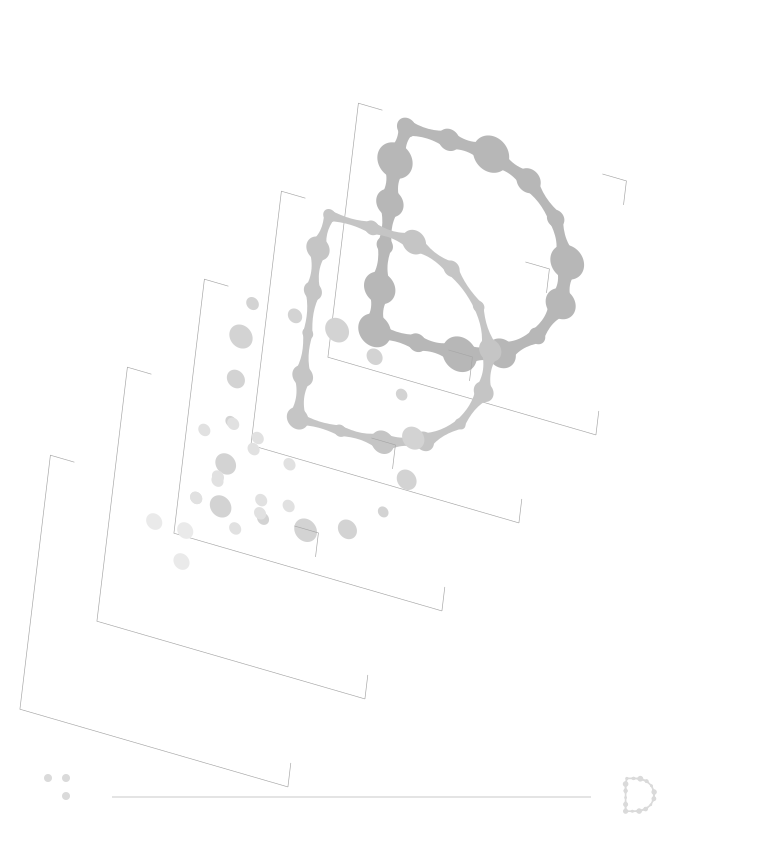
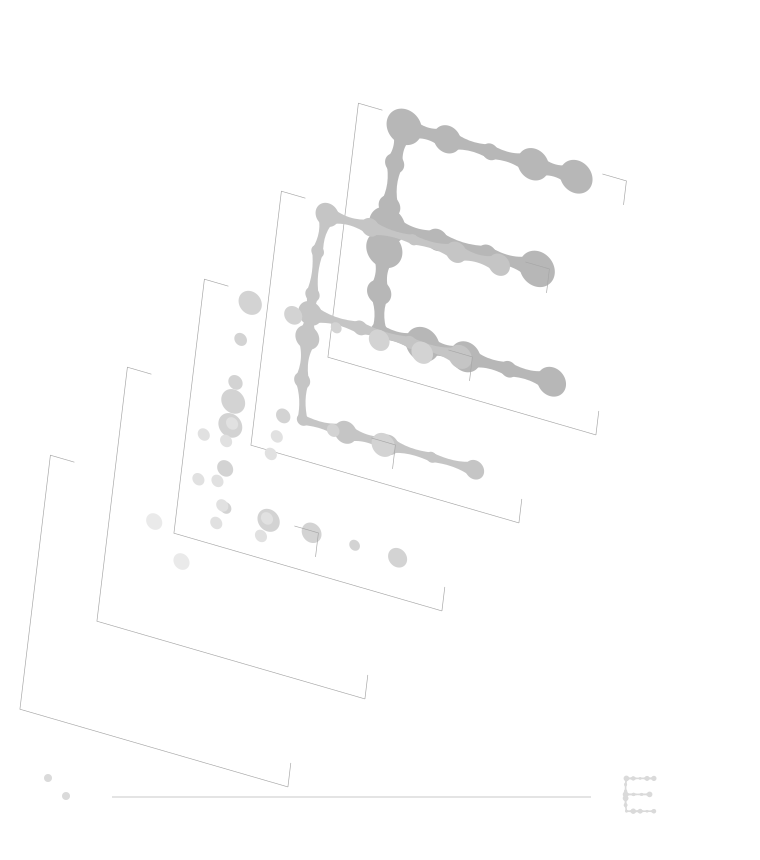
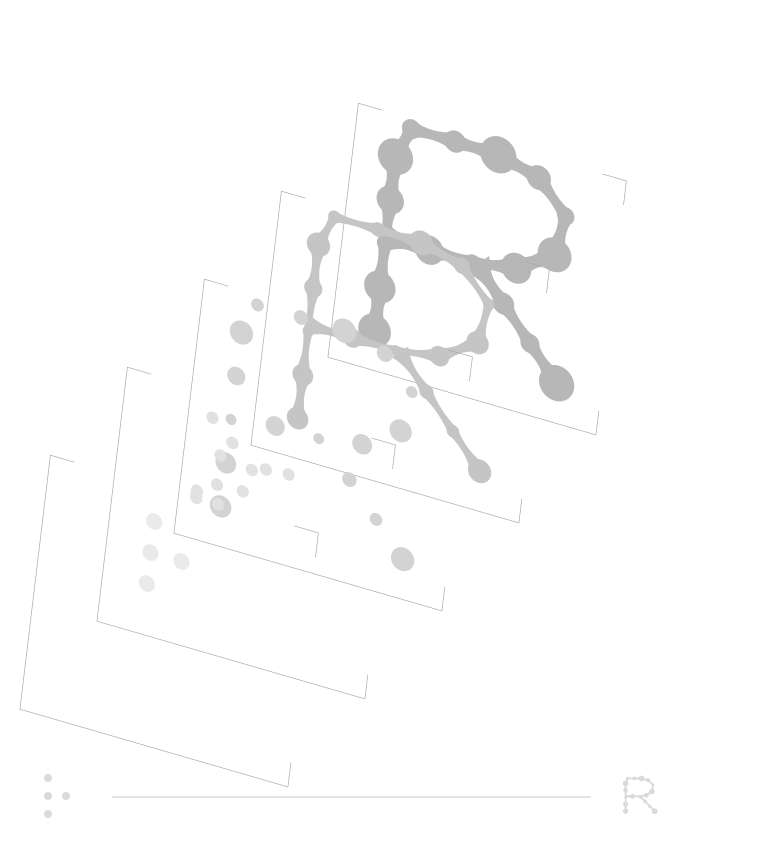
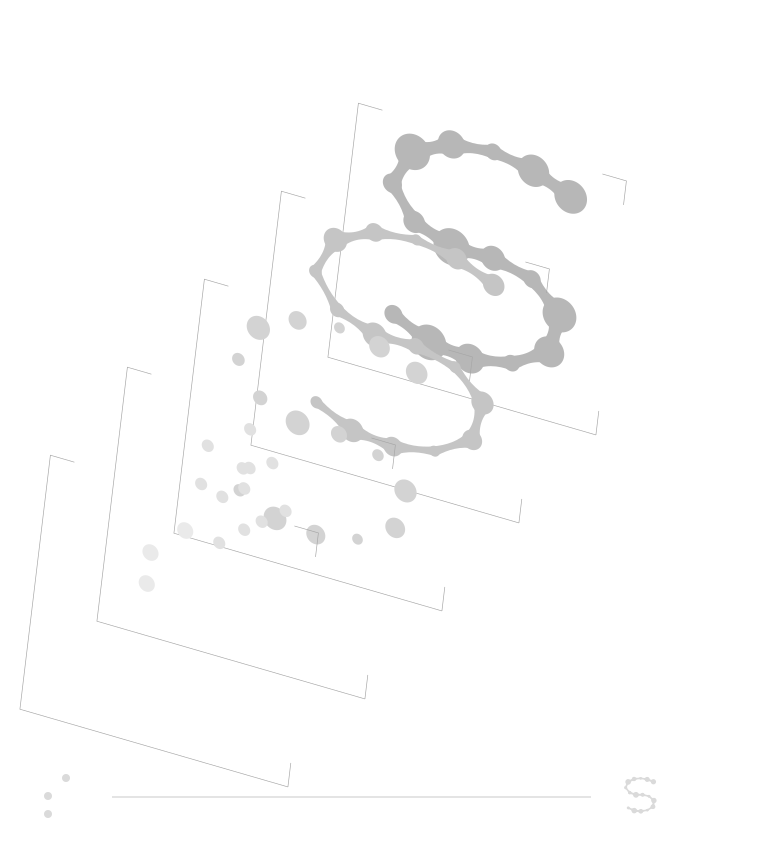
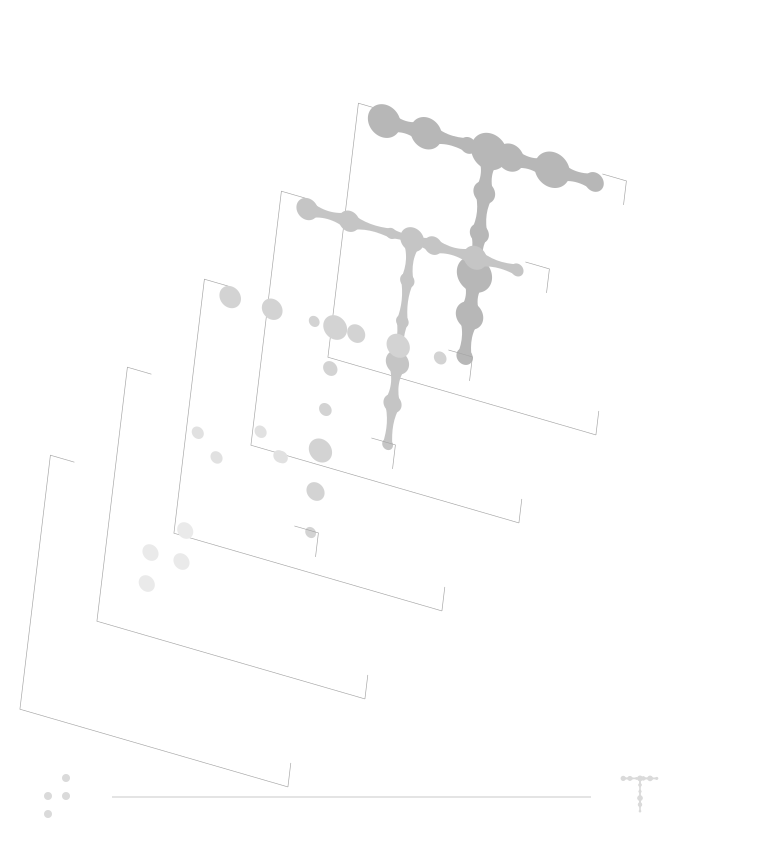
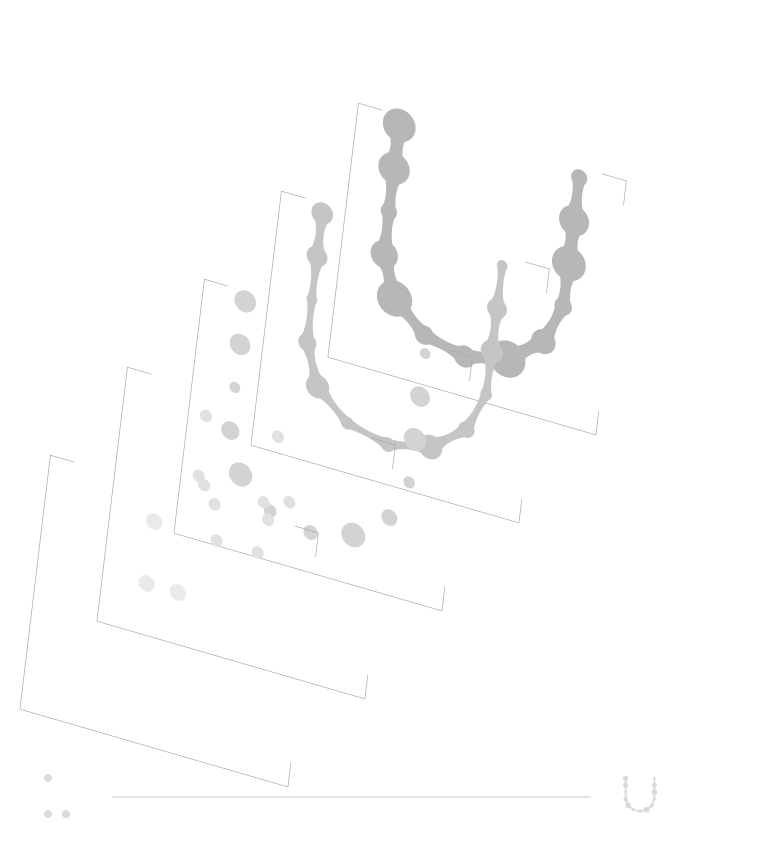
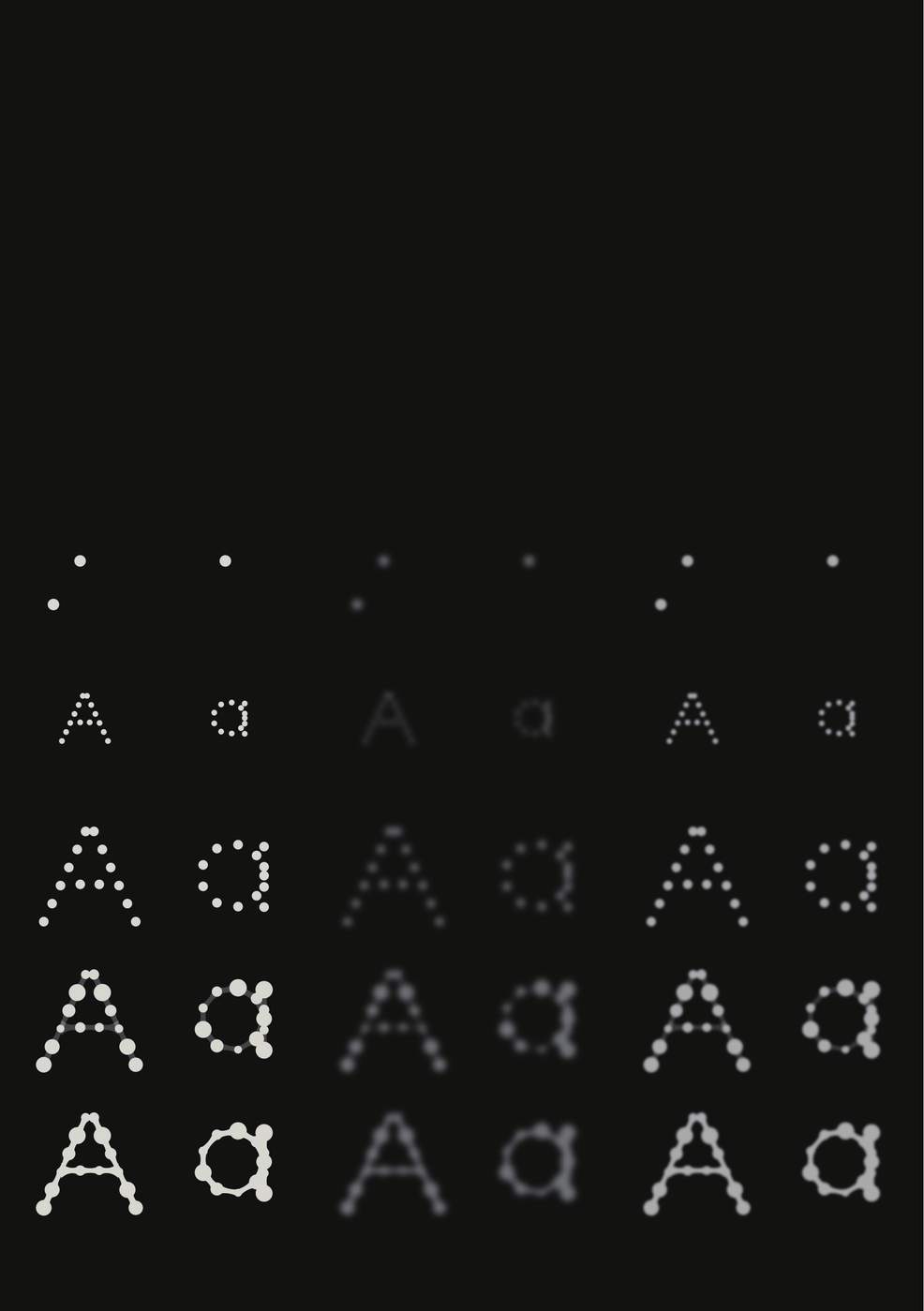
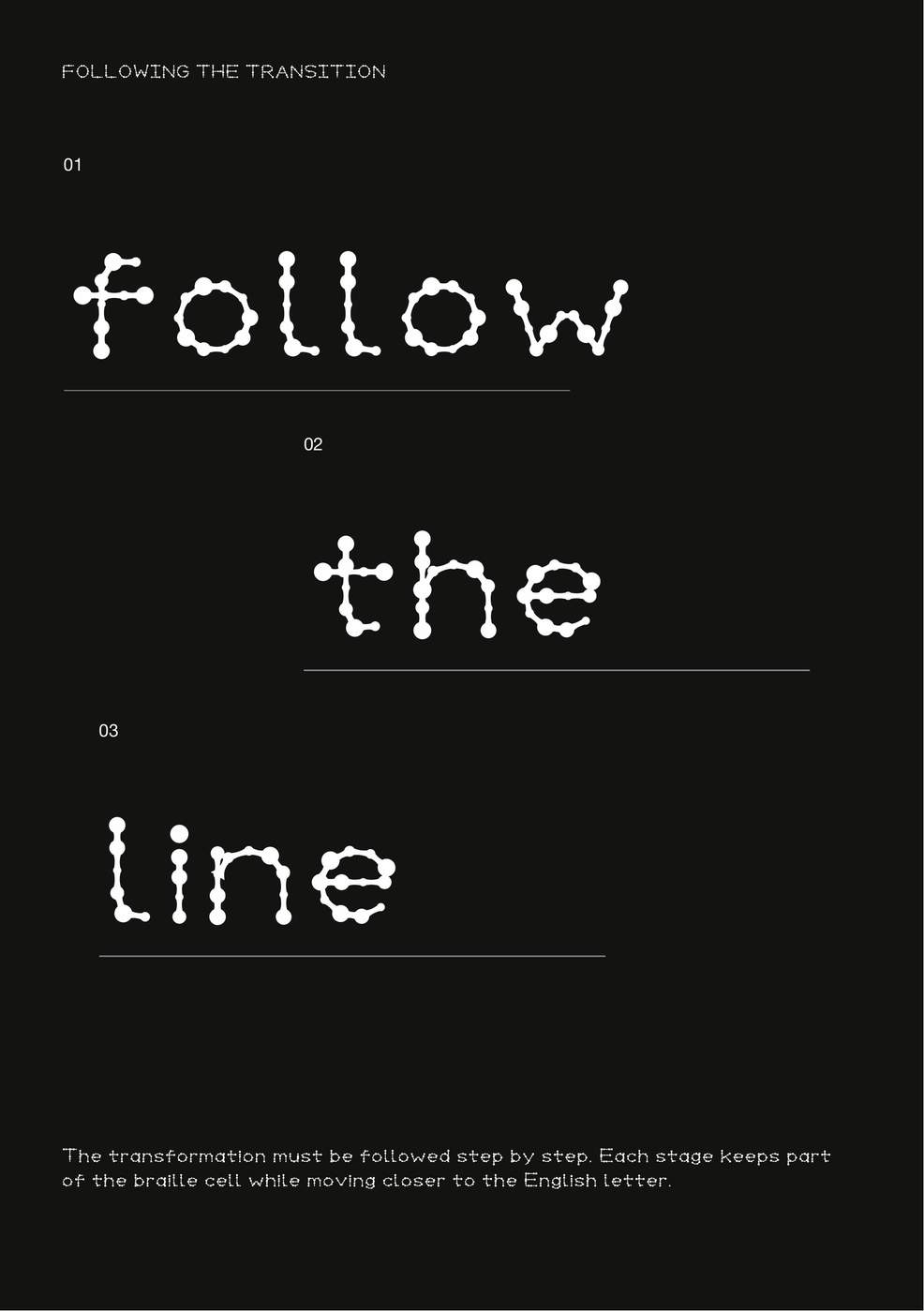
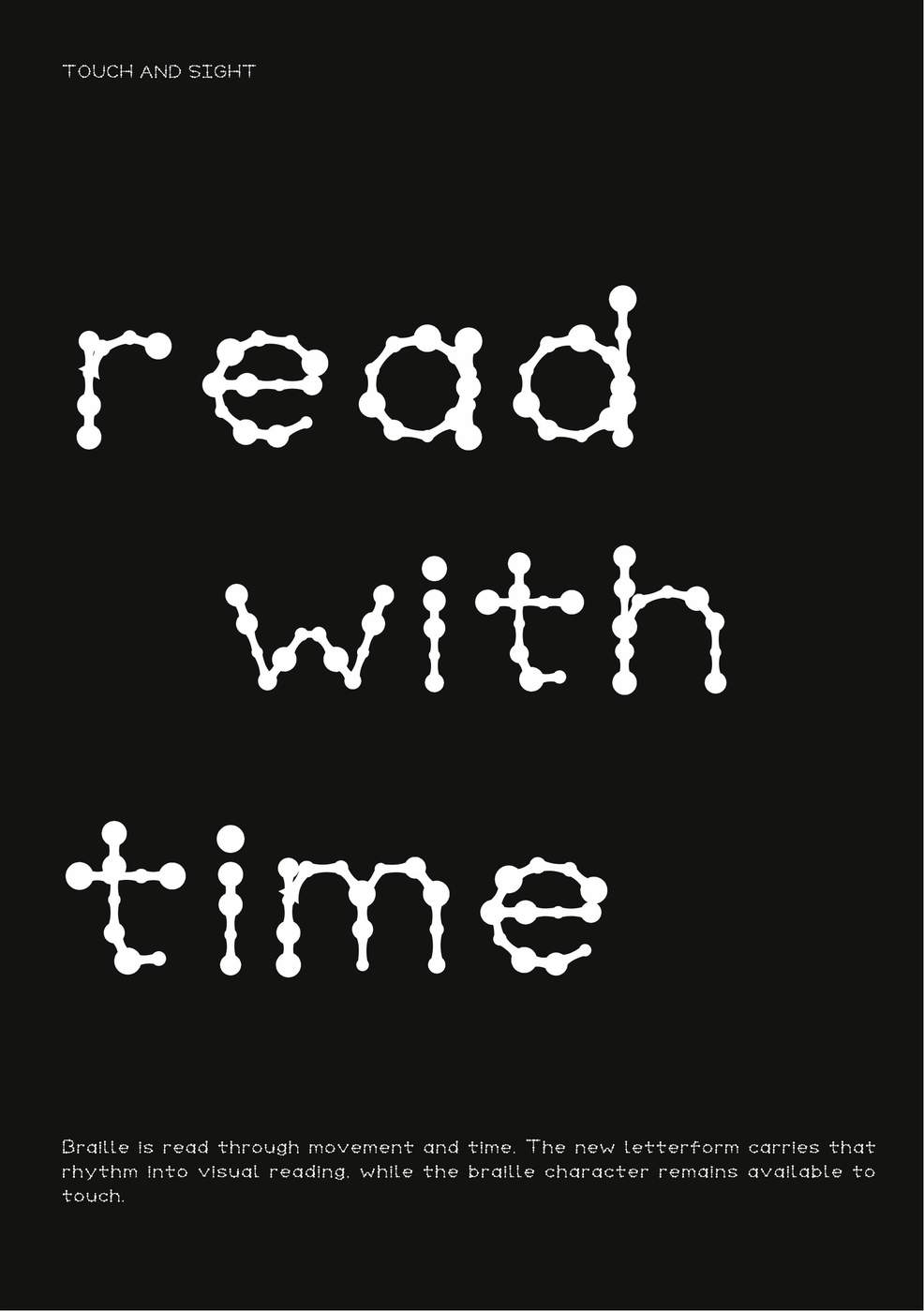
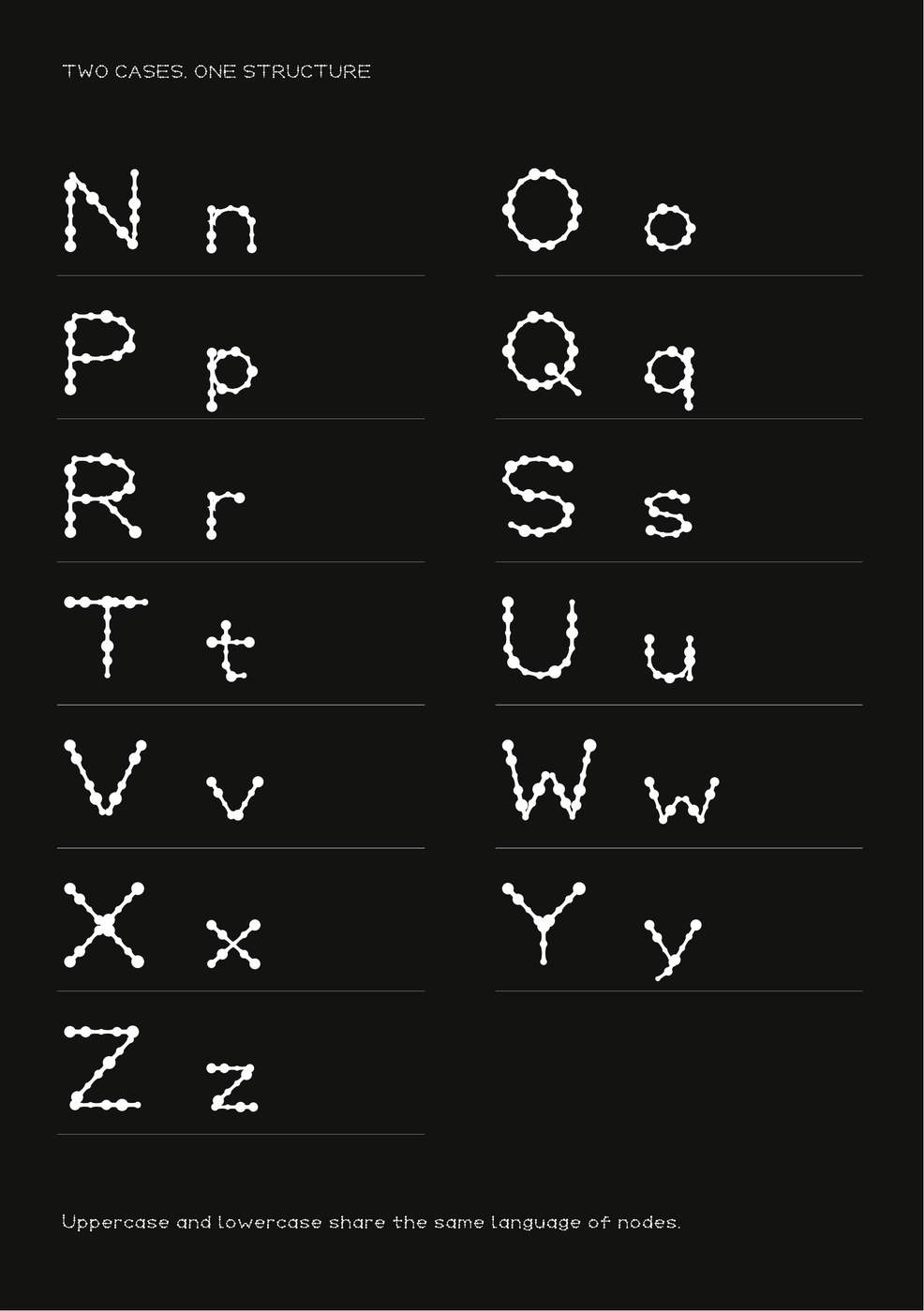
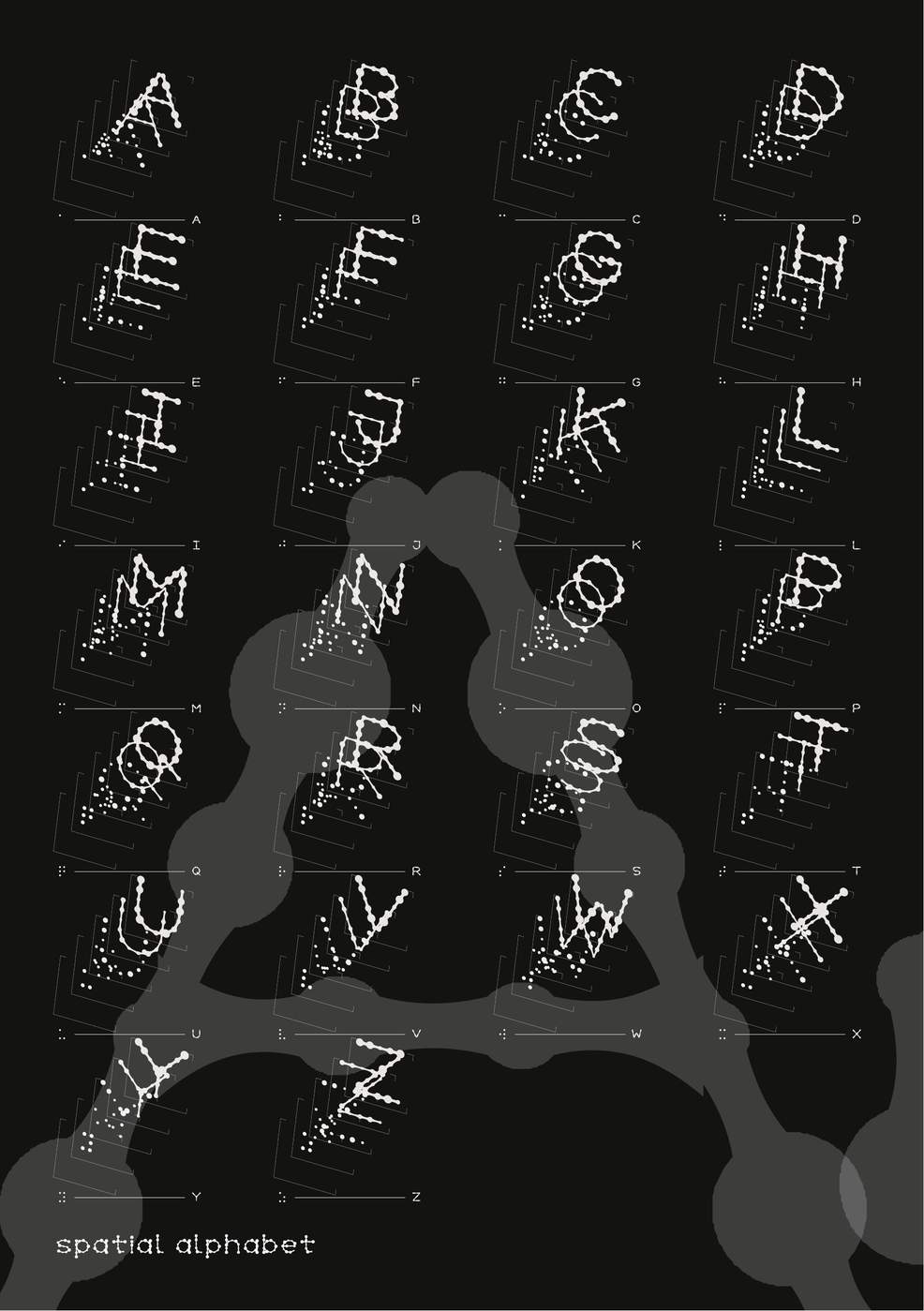
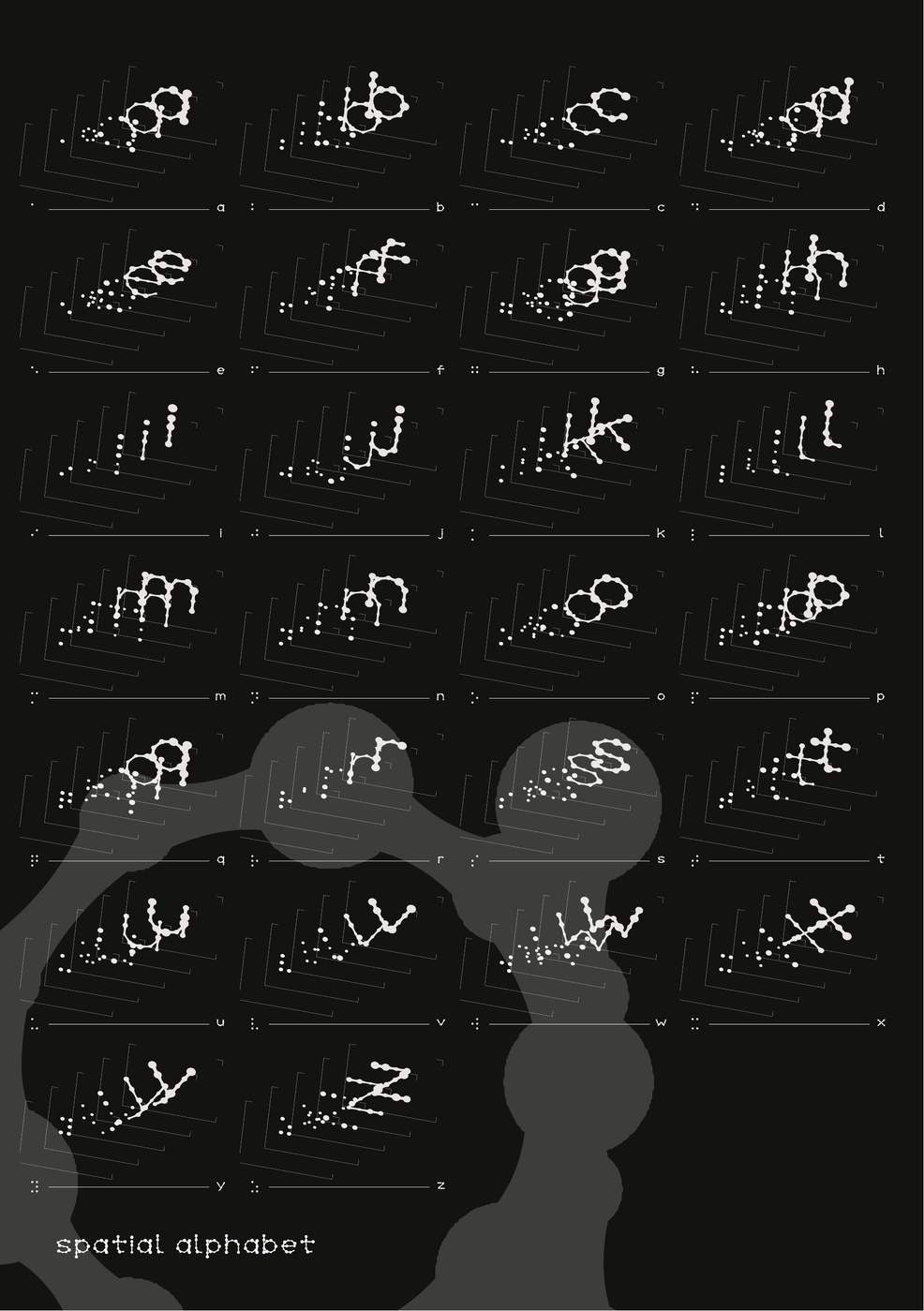
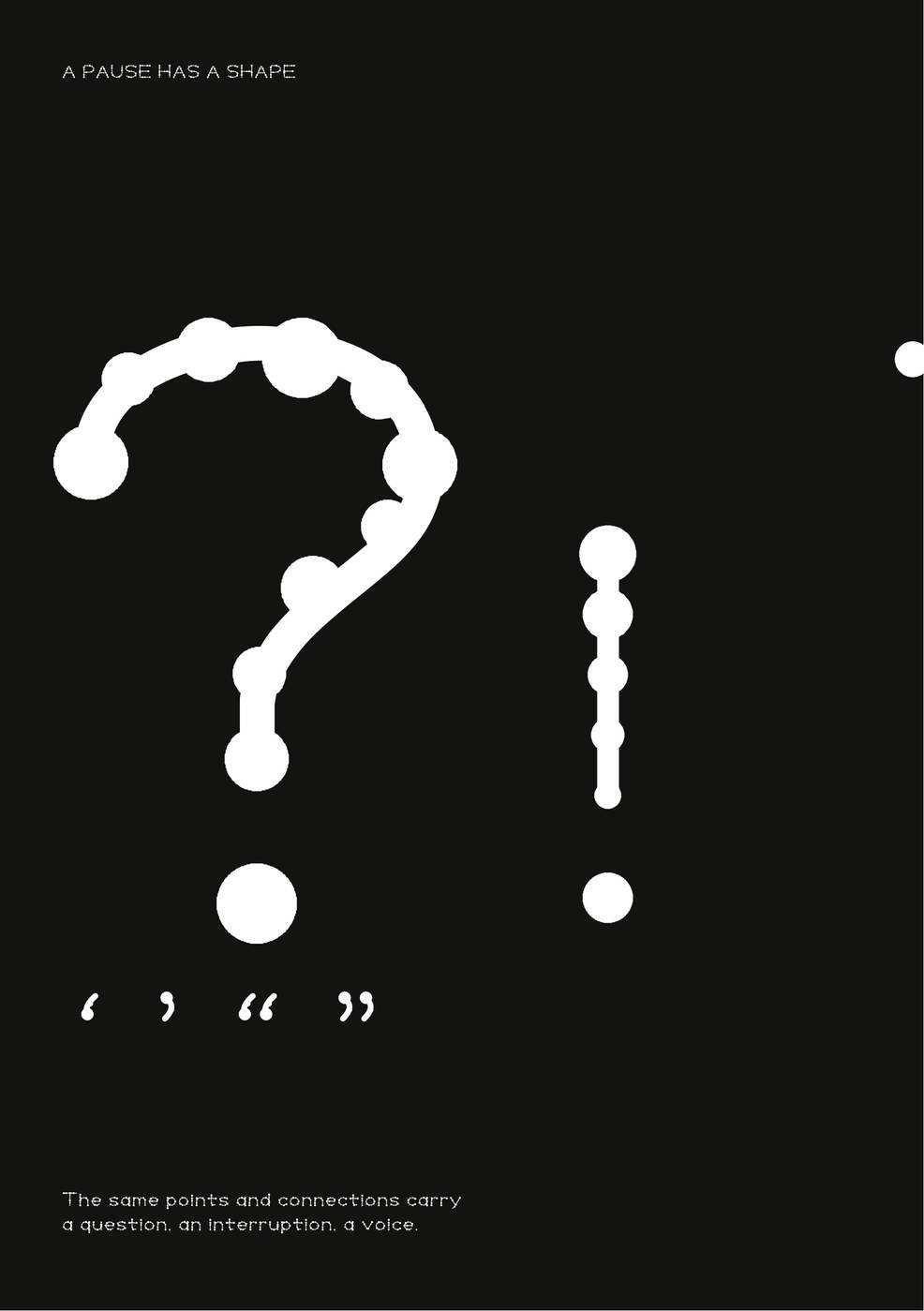
The typeface begins with the six-dot Braille cell. Selected dots become fixed vector nodes; straight and curved paths connect them into alphabetic forms without removing the original tactile structure.

01

SET THE NODES

Each letter begins on the same six-dot grid. The Braille positions establish a consistent scale, spacing and point system.

02

CONNECT THE FORM

Vector paths extend between the selected nodes. Curves and terminals are adjusted while the dots remain visible as the letter’s structural anchors.

03

BUILD THE DEPTH

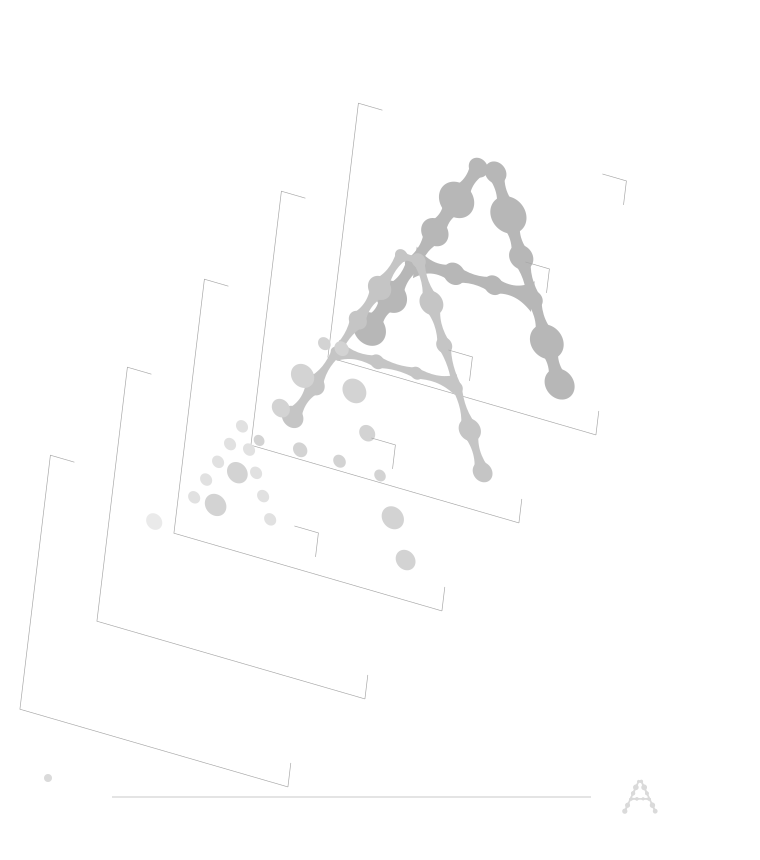
The finished path is repeated and offset in one direction. These receding outlines turn a flat letter into a spatial form shared across all 26 characters.

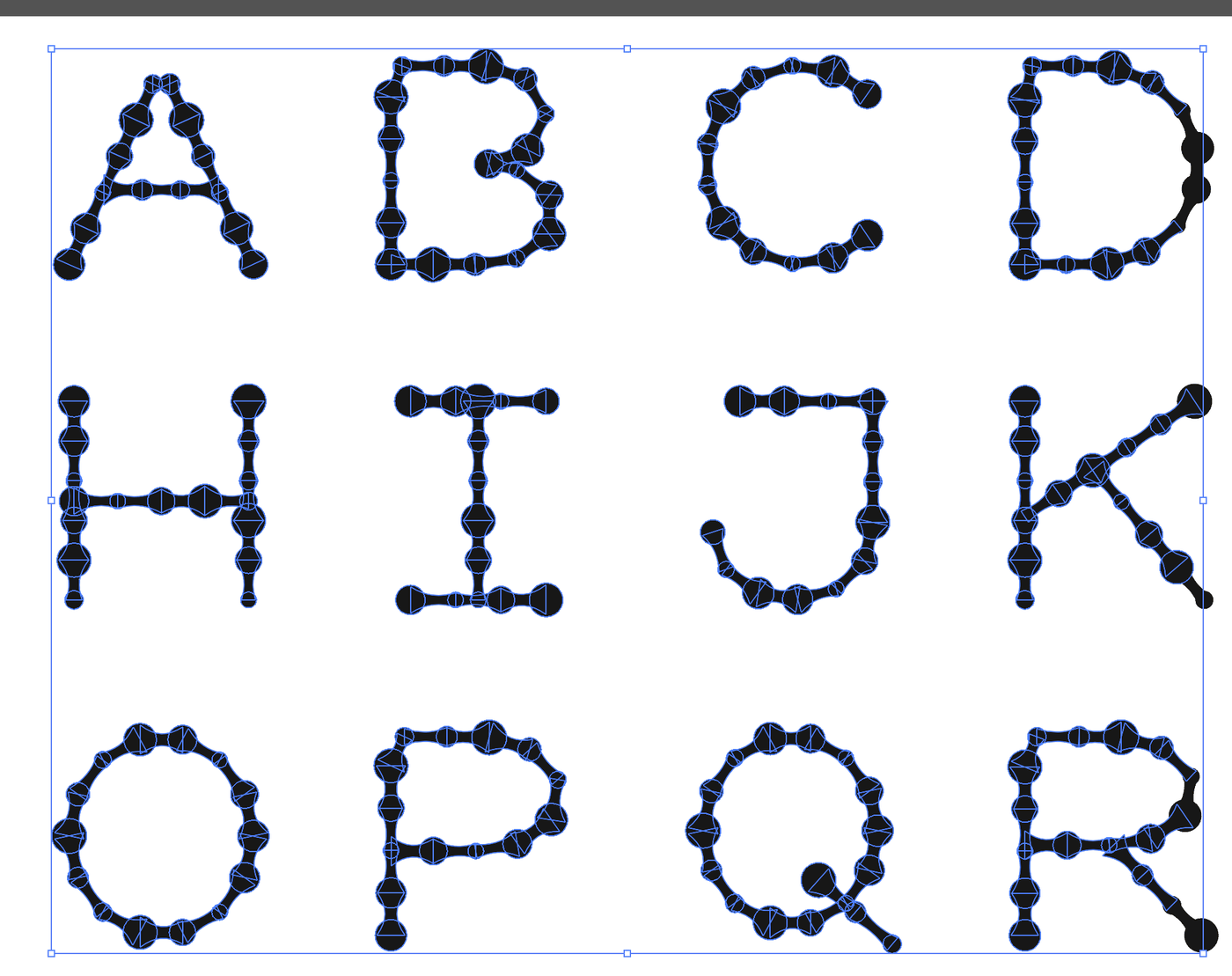
Illustrator process showing circular nodes and irregular rectangular connectors used to construct the alphabet
04 / NODE CONSTRUCTION

CIRCLES BECOME LETTERS.

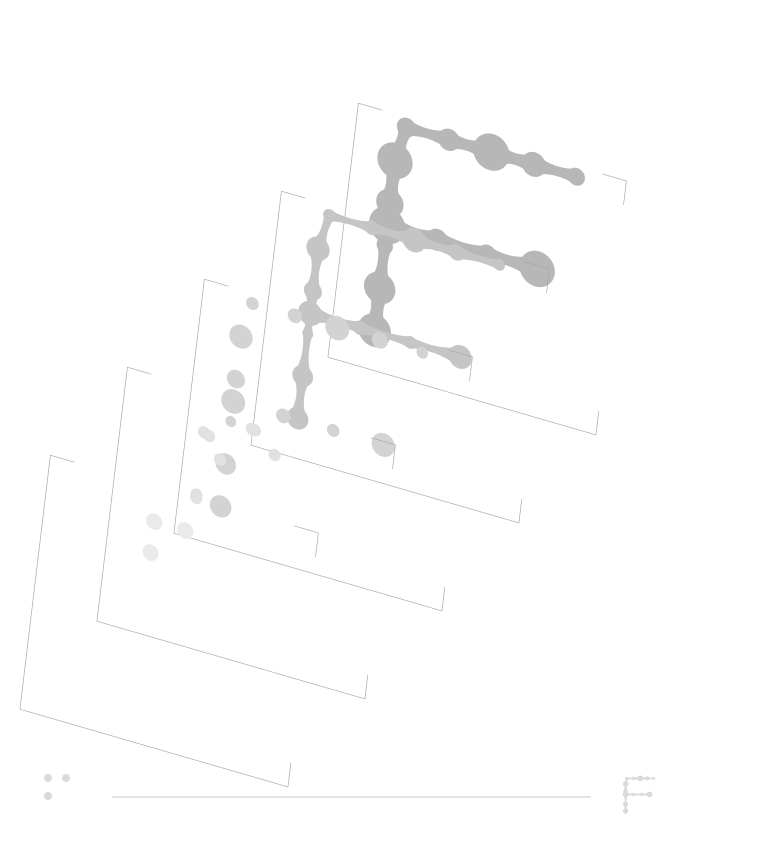
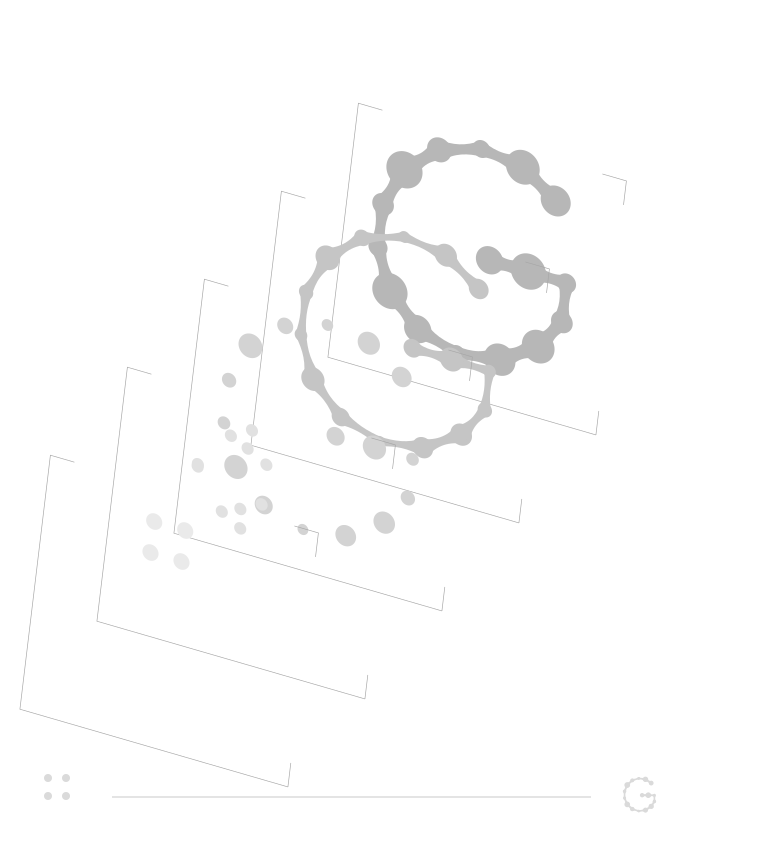
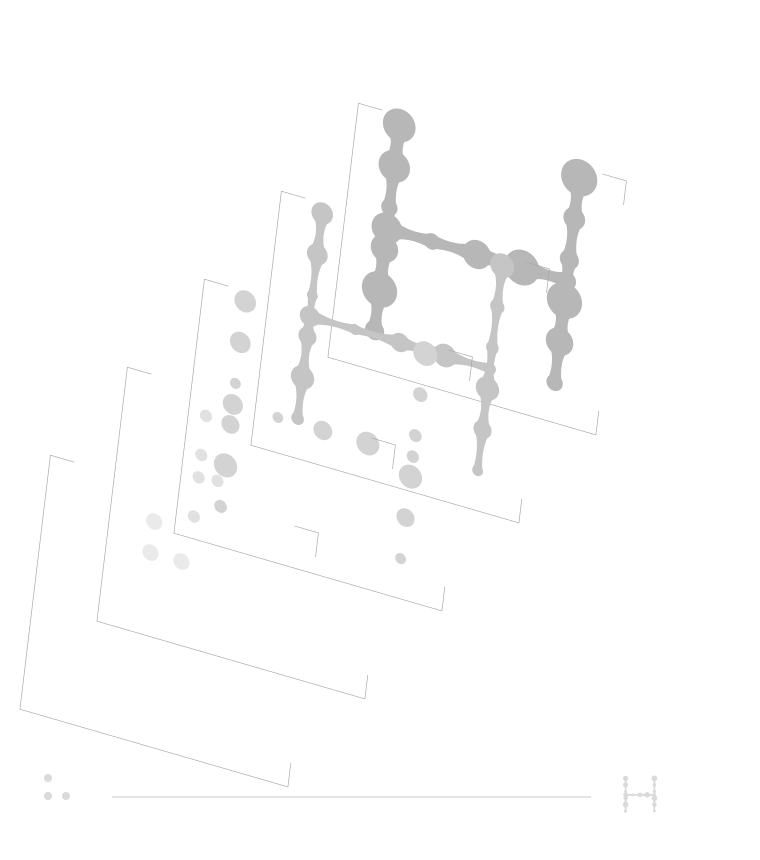
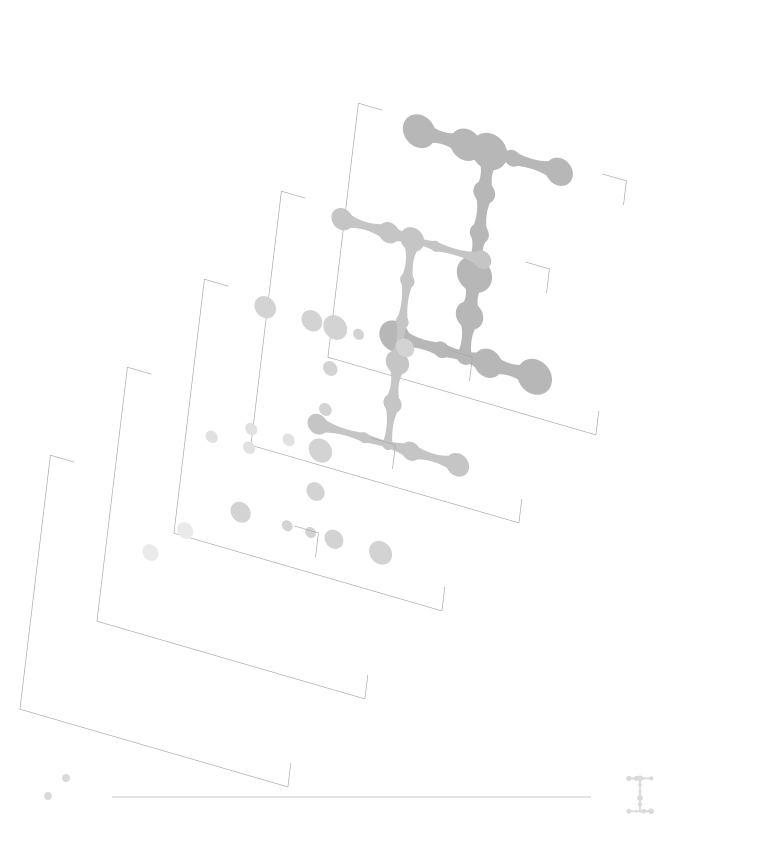
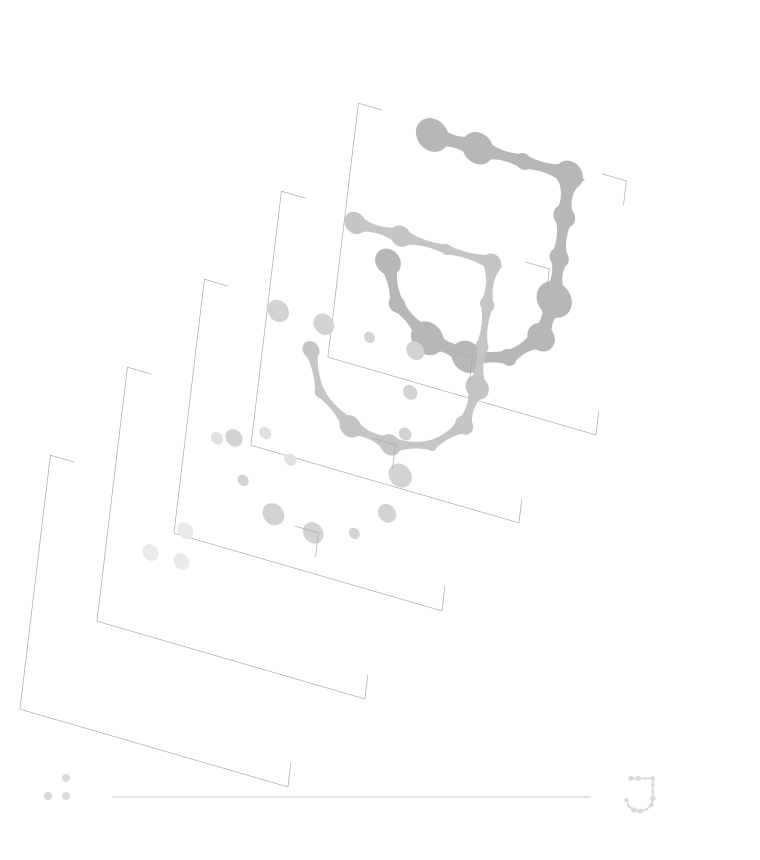
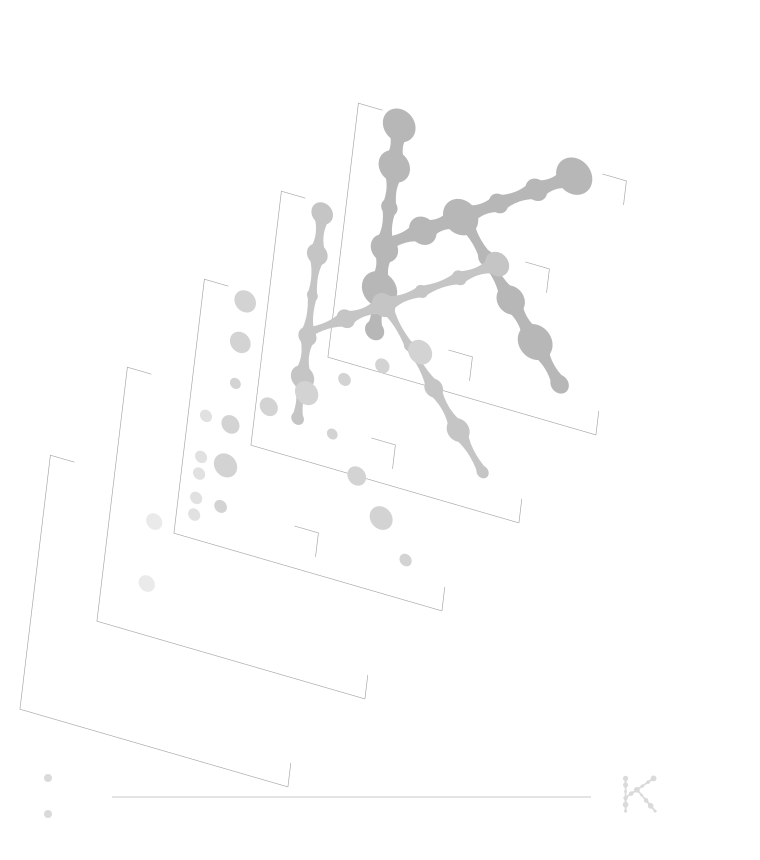
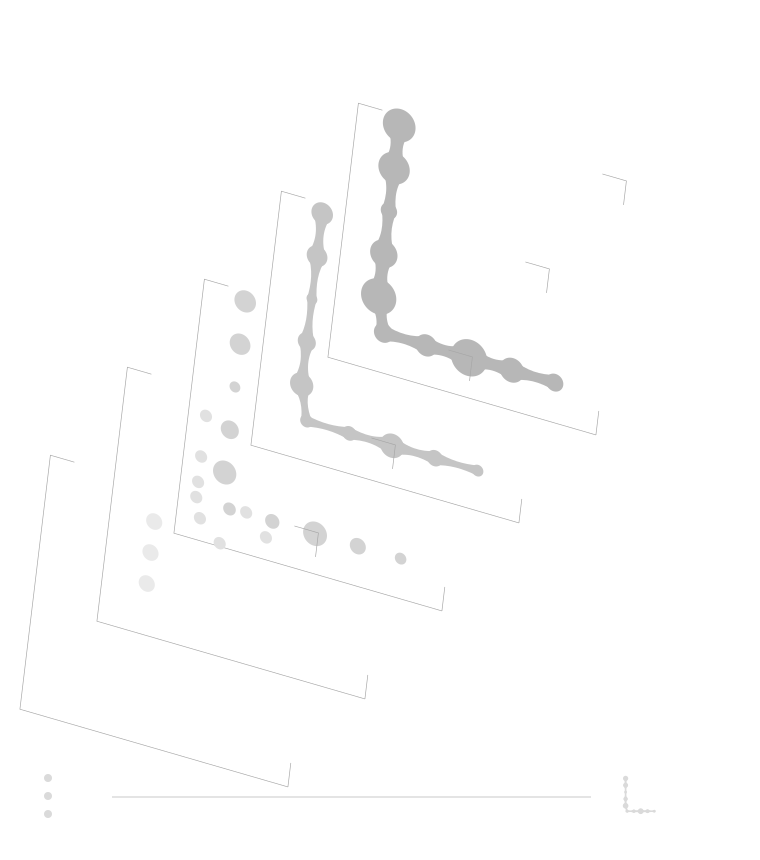
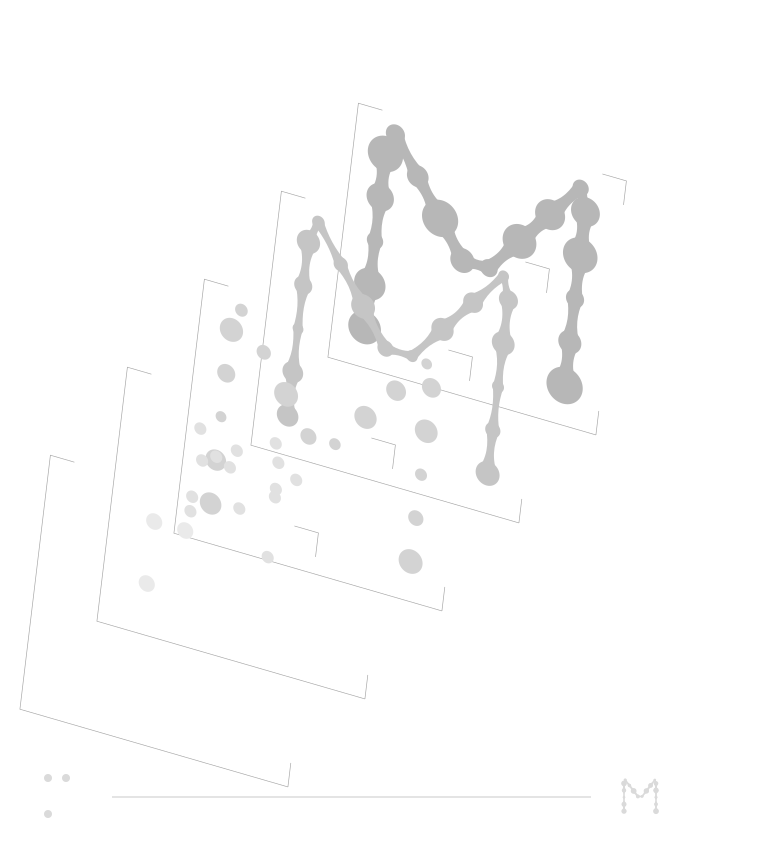
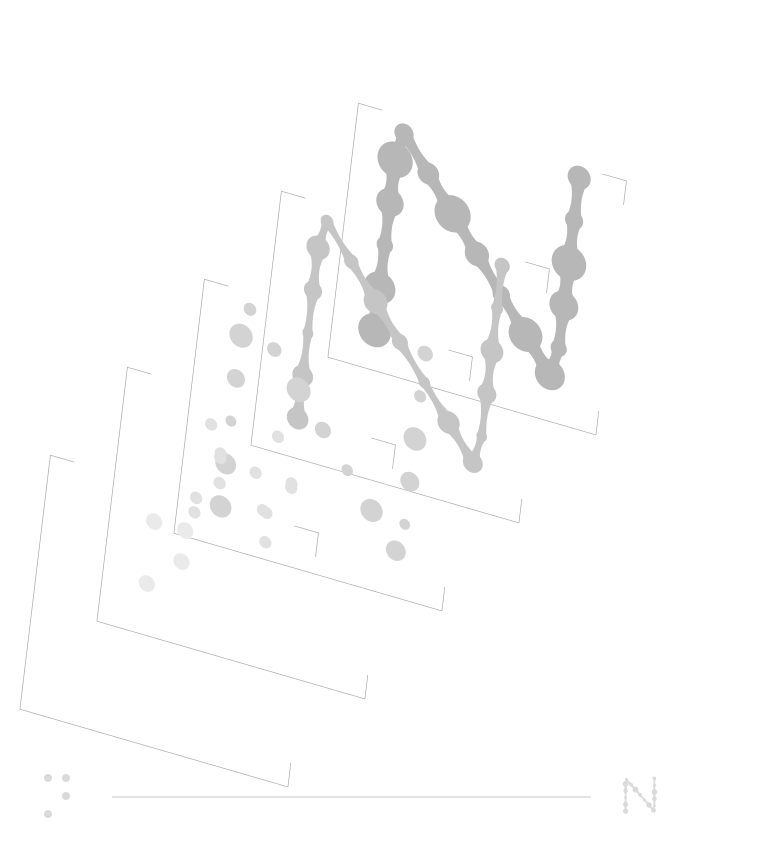
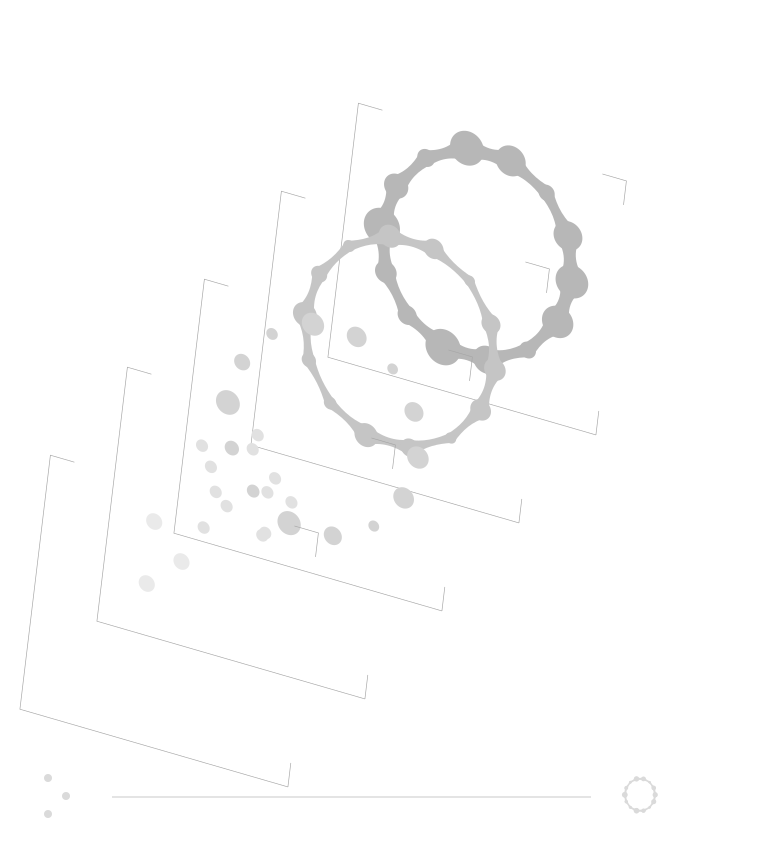
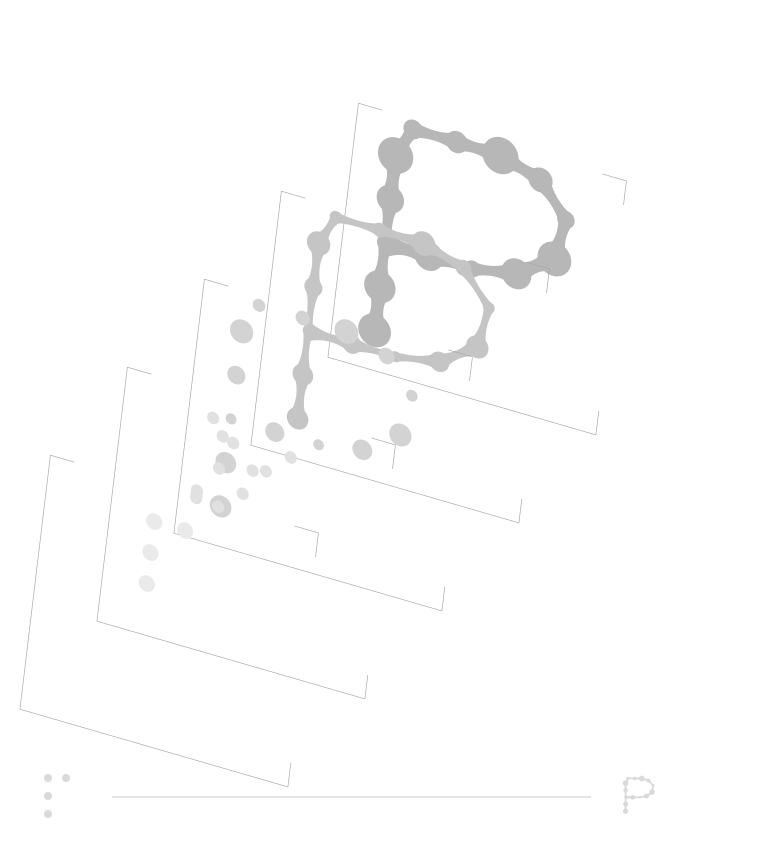
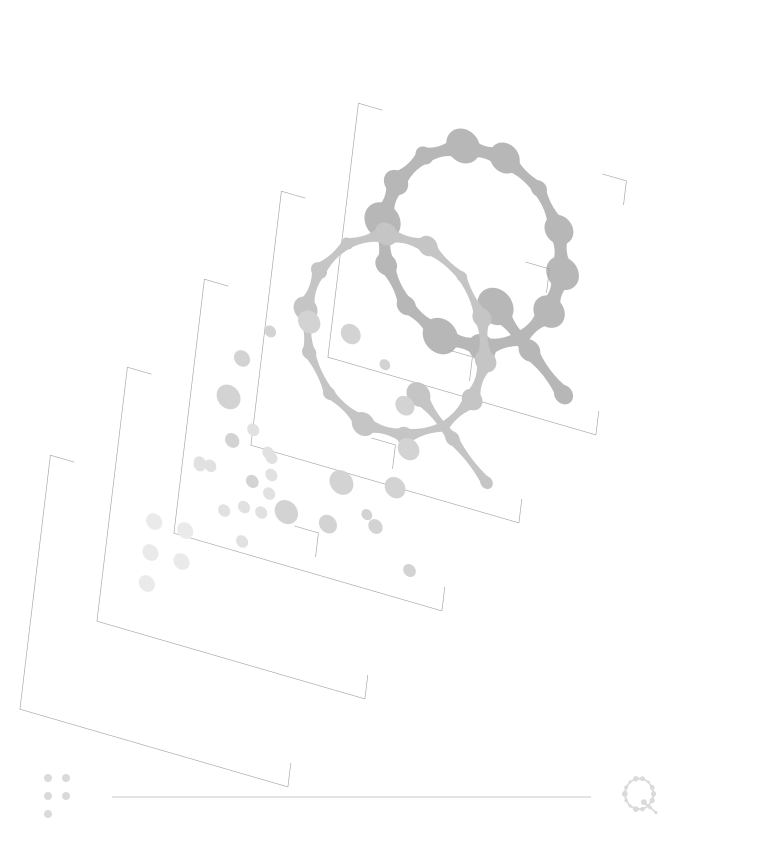
The typeface is constructed from circular points that act as structural nodes. These nodes are connected by irregular rectangular forms, which stretch, narrow and change direction to create each stroke. Varying the scale of the circles and the width of the connecting rectangles produces the uneven rhythm, rounded joints and tactile character of the alphabet. The same method is repeated across every letter so that different forms remain part of one coherent system.

Vector construction of letter A
A
Vector construction of letter B
B
Vector construction of letter C
C
Vector construction of letter D
D
Vector construction of letter E
E
Vector construction of letter F
F
Vector construction of letter G
G
Vector construction of letter H
H
Vector construction of letter I
I
Vector construction of letter J
J
Vector construction of letter K
K
Vector construction of letter L
L
Vector construction of letter M
M
Vector construction of letter N
N
Vector construction of letter O
O
Vector construction of letter P
P
Vector construction of letter Q
Q
Vector construction of letter R
R
Vector construction of letter S
S
Vector construction of letter T
T
Vector construction of letter U
U
Vector construction of letter V
V
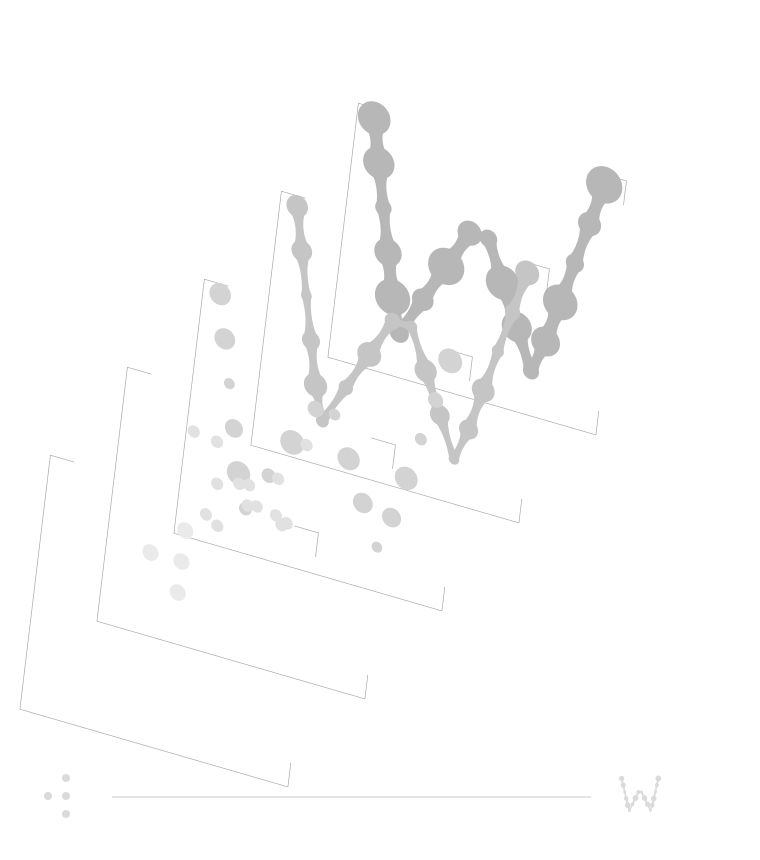
Vector construction of letter W
W
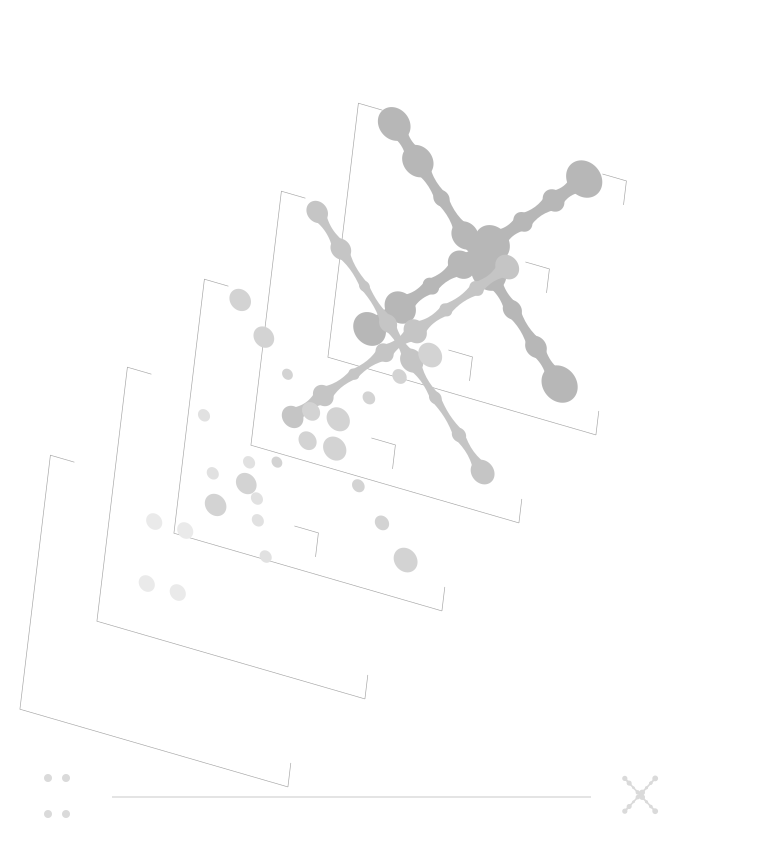
Vector construction of letter X
X
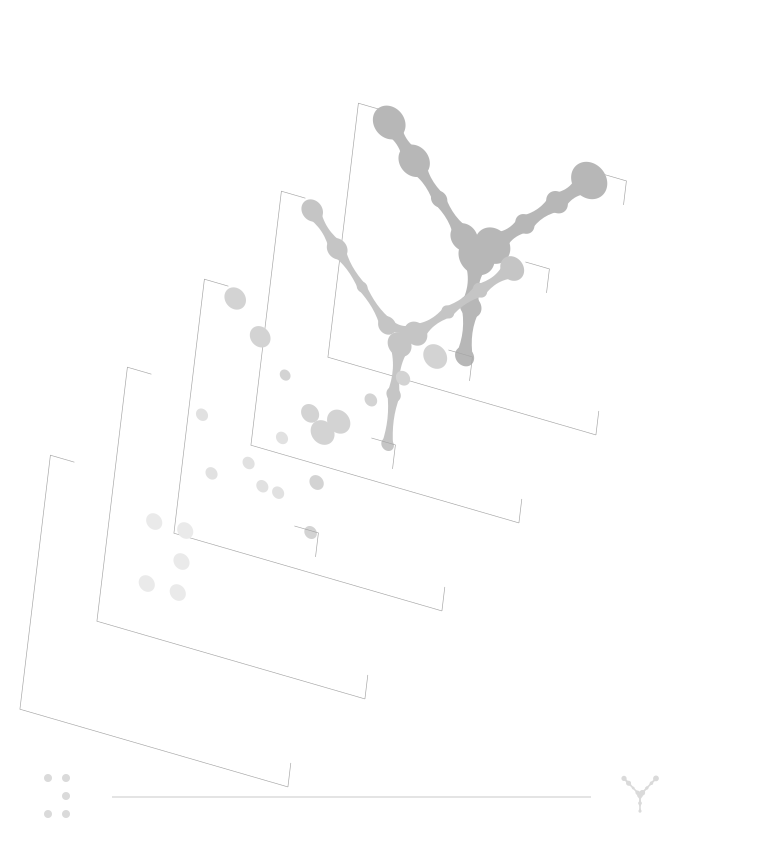
Vector construction of letter Y
Y
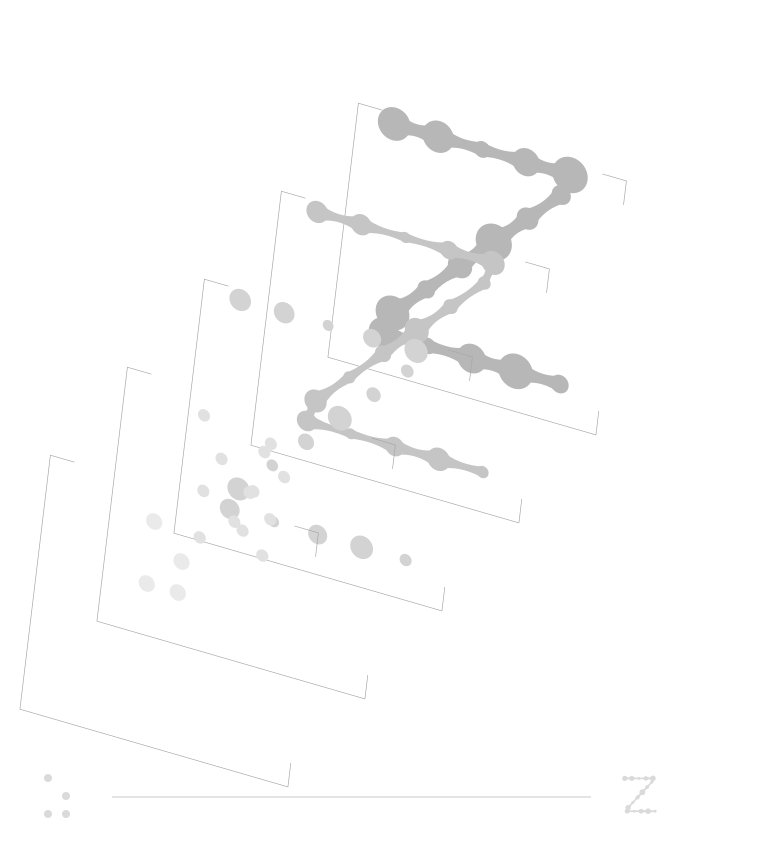
Vector construction of letter Z
Z
07 / IMAGE CONSTRUCTION

FROM FLAT
TO TACTILE.

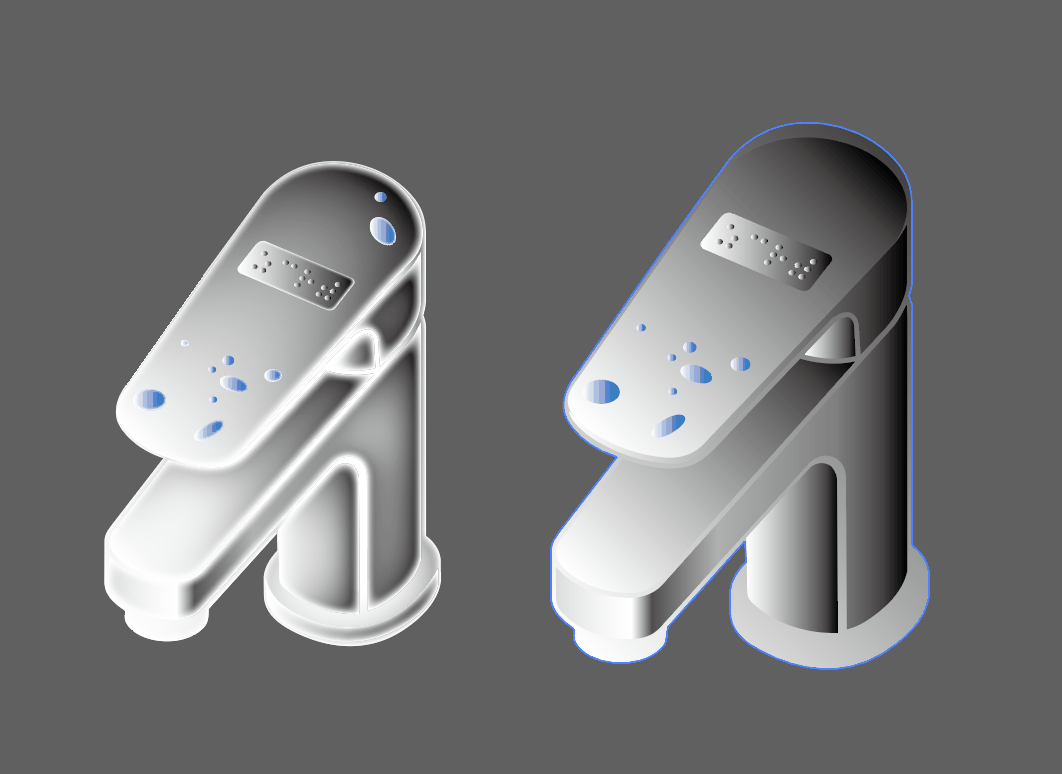
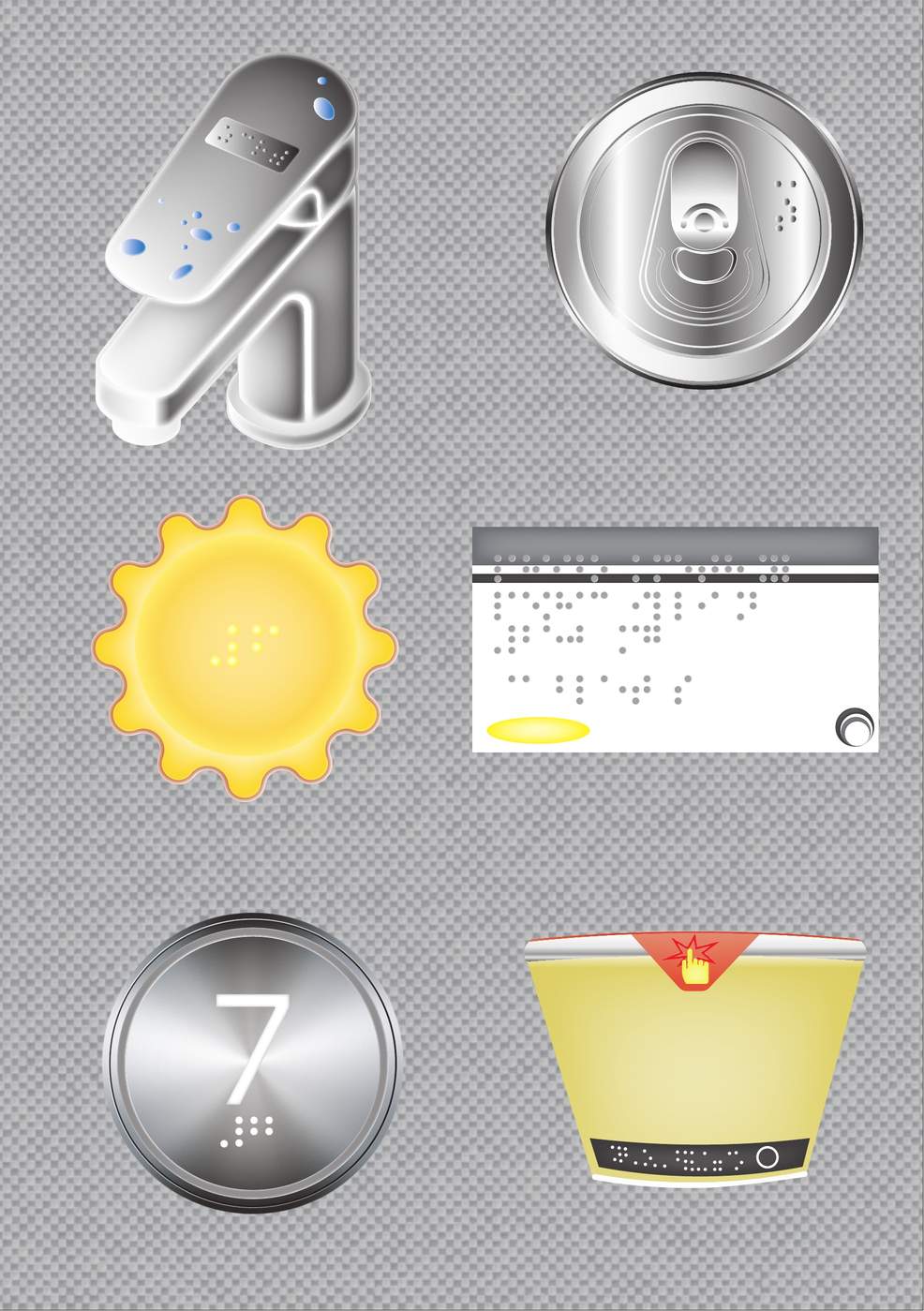
The illustrations share one production method: the scene is first drawn as clean grayscale vector linework, then filled plane by plane. Light, depth and surface are added only after the structure is clear.

Vector faucet process from flat drawing to dimensional rendering
01 / FAUCET

LIGHT BUILDS THE VOLUME

The faucet begins as a flat vector silhouette. Gradients create the transition between light and dark; inner glow clarifies the thickness of the edges; highlights, shadows and subtle surface effects separate the planes. Together these steps transform a flat drawing into a form that feels both solid and slightly unreal.

02 / ILLUSTRATION SYSTEM

ONE METHOD, MANY OBJECTS

The other objects follow the same sequence: draw the grayscale vector outlines, establish the main fills, then introduce gradients, highlights, shadows and texture. Reusing this order keeps every scene visually consistent while allowing each material to retain its own weight.

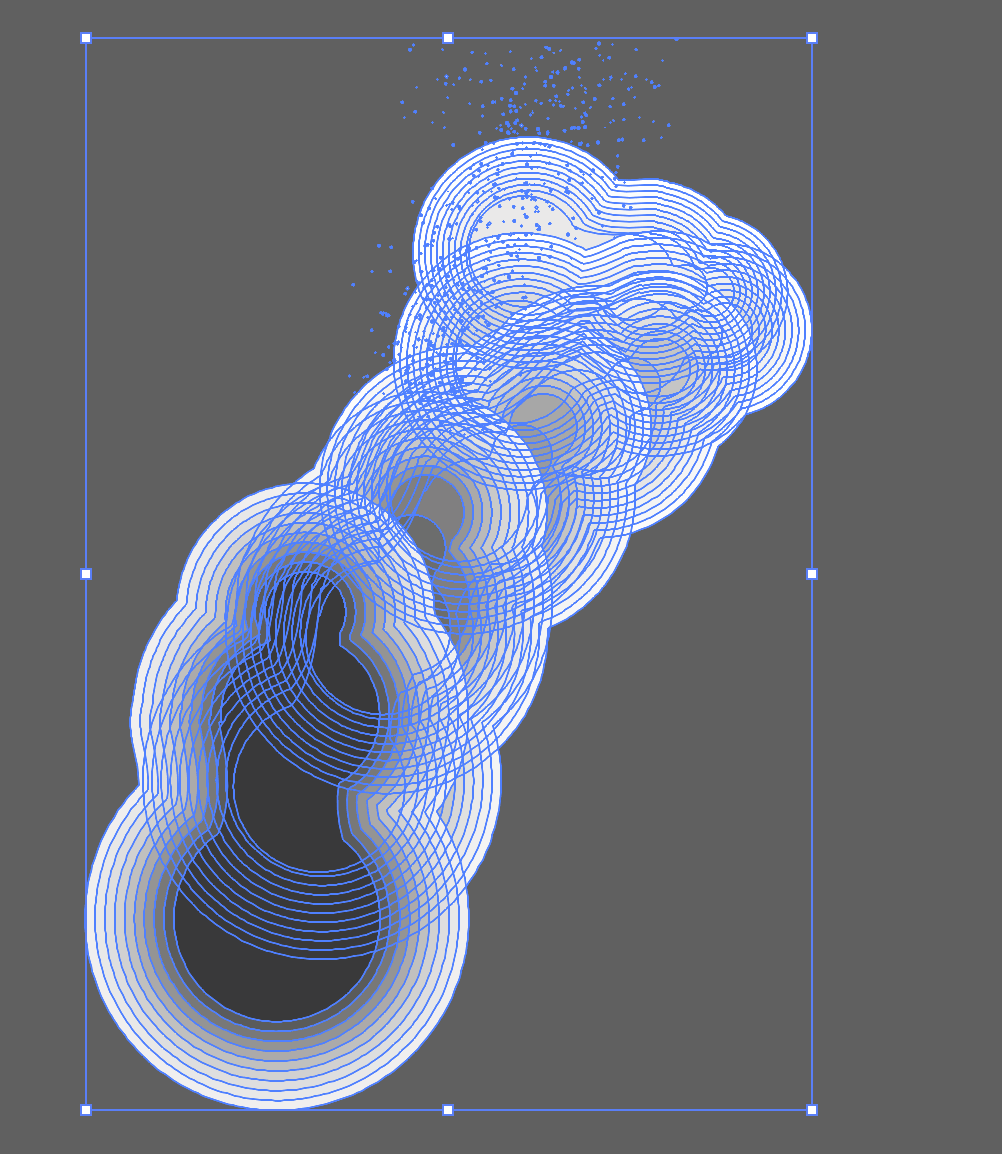
Repeated contour construction used to visualize smell
03 / SMELL

REPETITION BECOMES DISPERSION

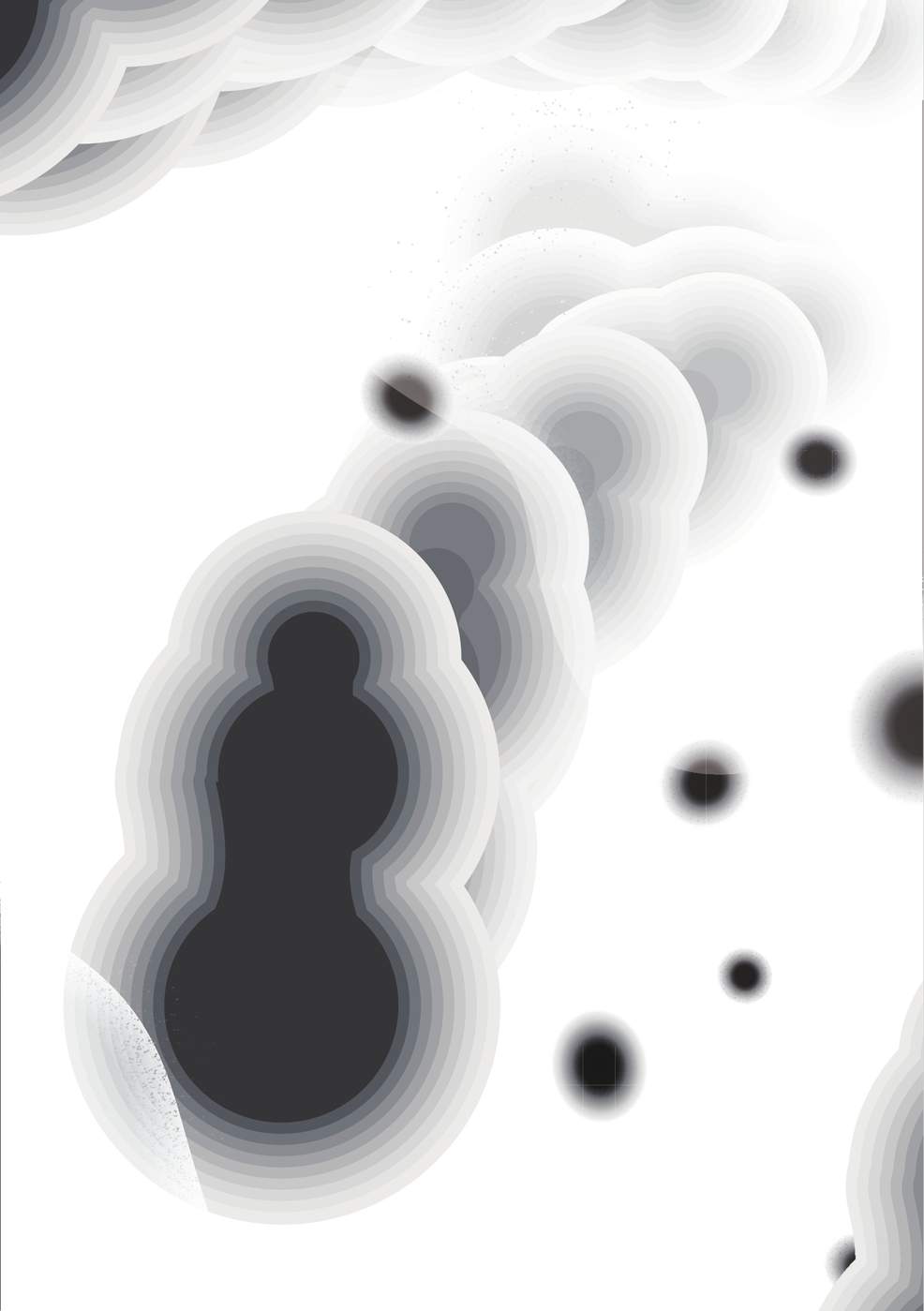
A single contour is generated first, then multiplied with the Repeat tool. The repeated forms shift gradually in scale, spacing and overlap, while their tonal values move from dark and dense to light and dispersed. The transition turns an invisible smell into a field that appears to expand through space.

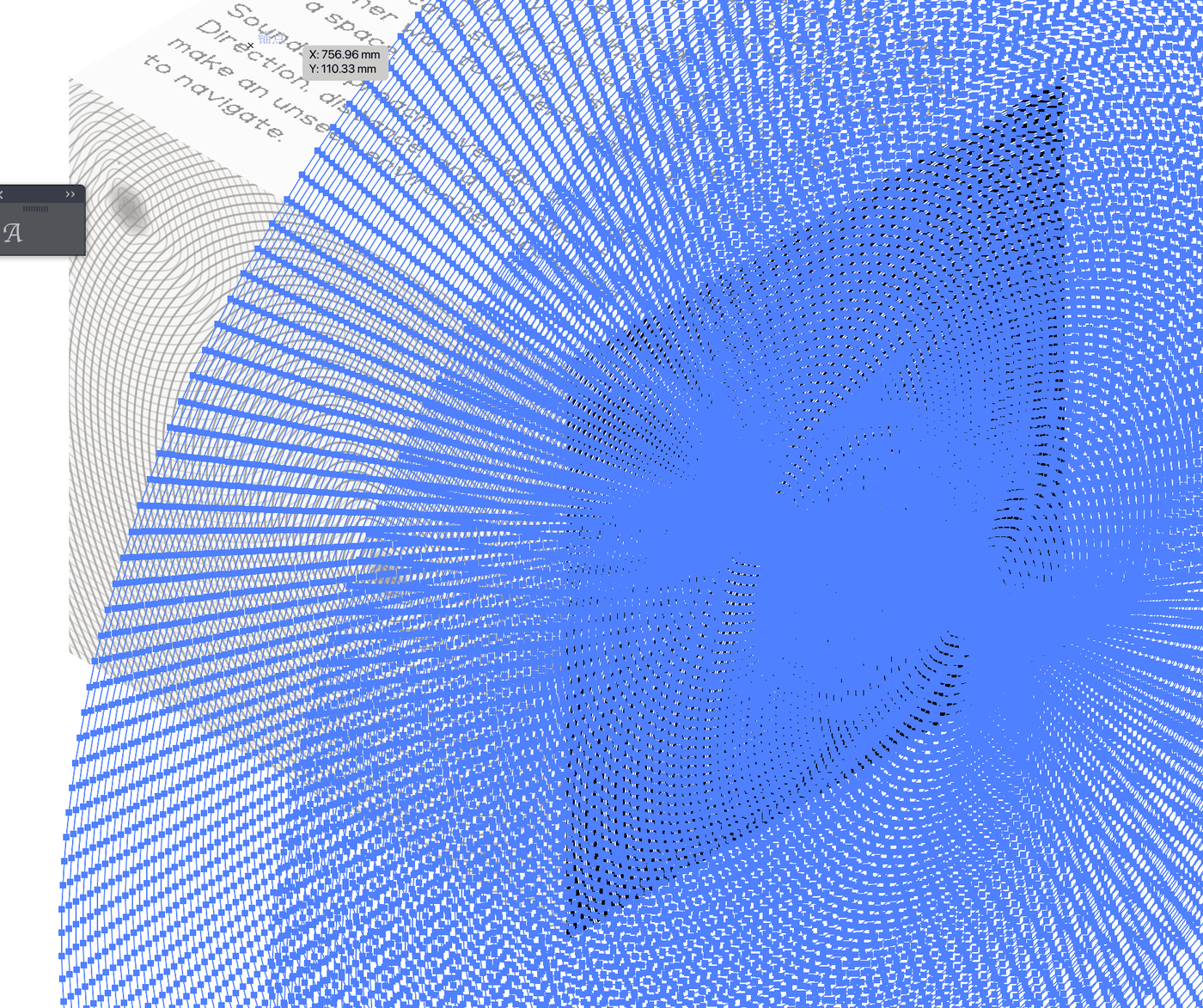
Illustrator construction of repeated sound waves inside a cube
04 / SPATIAL SOUND

WAVES HELD IN SPACE

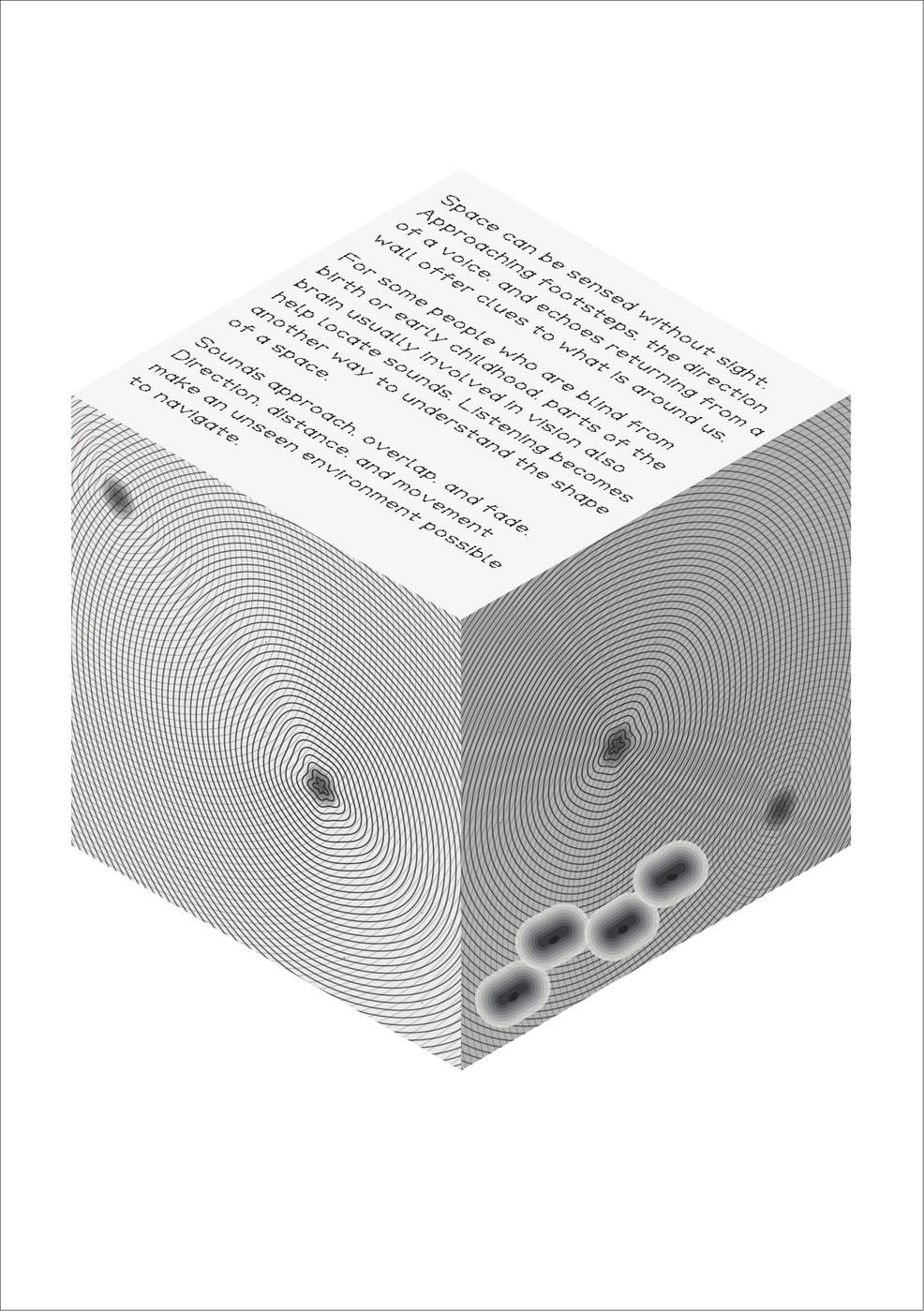
Sound does not travel as a flat image; it expands through three-dimensional space. I first constructed a single wave contour, then used Illustrator's Repeat tool to build a dense sequence of concentric waveforms. A clipping mask contains these repeated lines inside a cube, allowing direction, distance and depth to be read as one spatial structure. The changing density of the lines suggests sound becoming stronger, weaker, nearer or farther away.

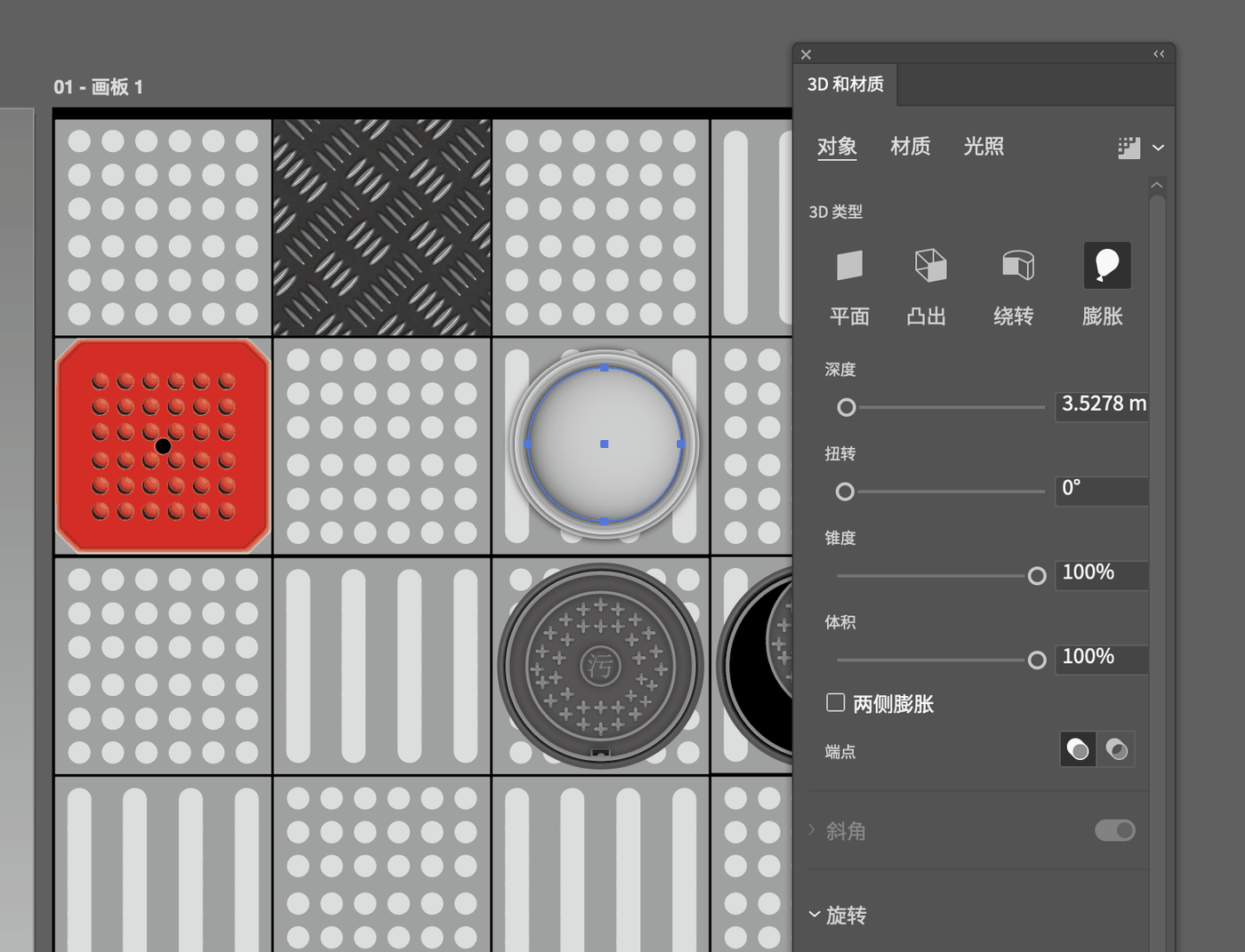
Illustrator 3D Inflate construction used for the street bollard
05 / 3D OBJECT SYSTEM

FROM VECTOR TO VOLUME

The street bollard begins as a flat vector shape. Illustrator's 3D Inflate tool gives the form its rounded volume, while depth, rotation, lighting and material settings define its surface and weight. The same process is used across the other dimensional objects in the project: a clean vector drawing is built first, then the 3D and Materials tools add volume, light and tactile character without breaking the shared visual system.

08 / BOOK AS OBJECT

FROM IMAGE
TO OBJECT.

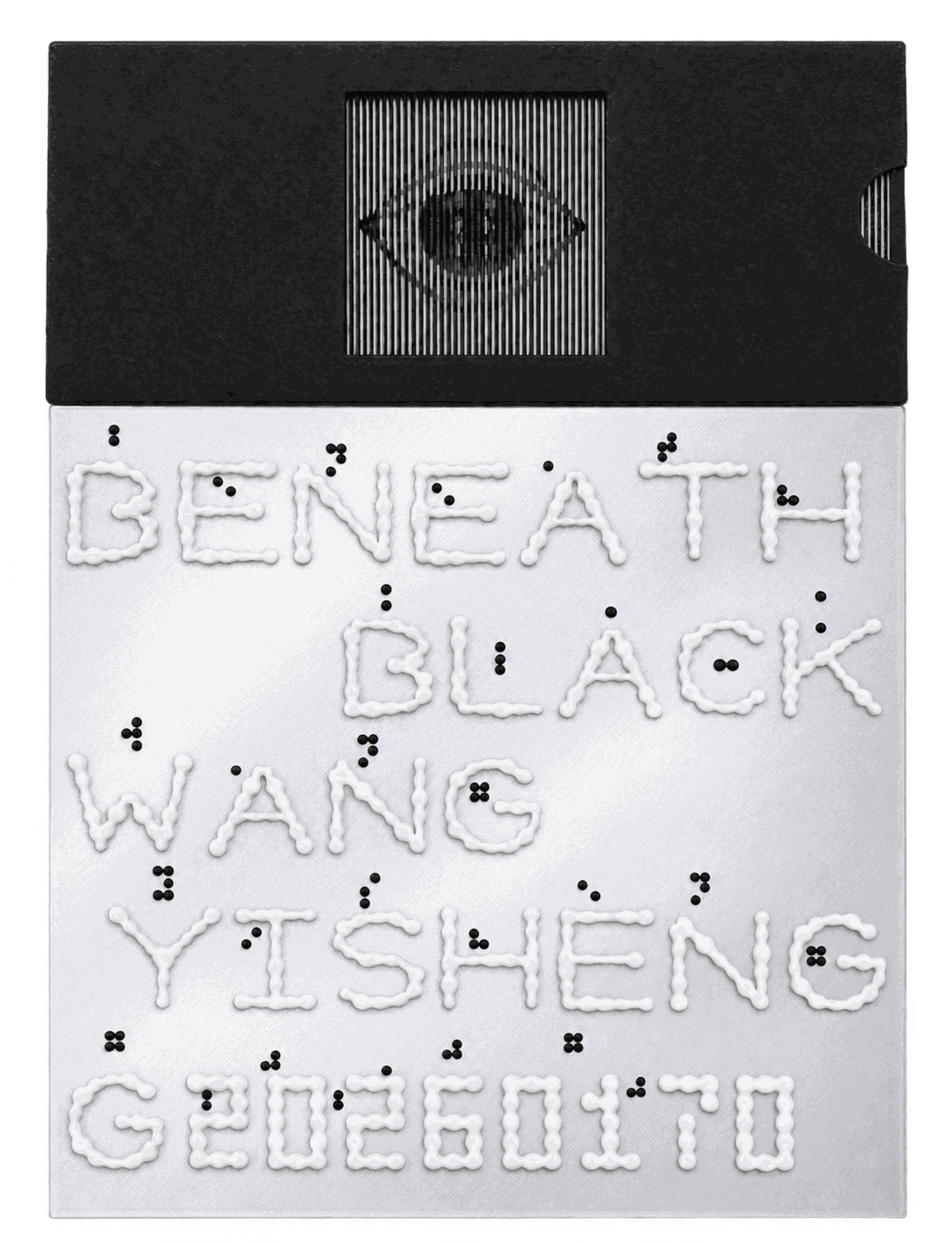
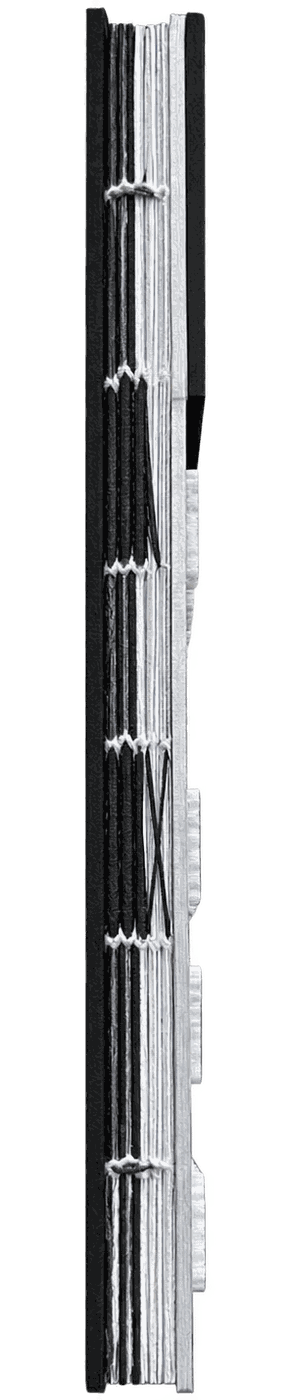
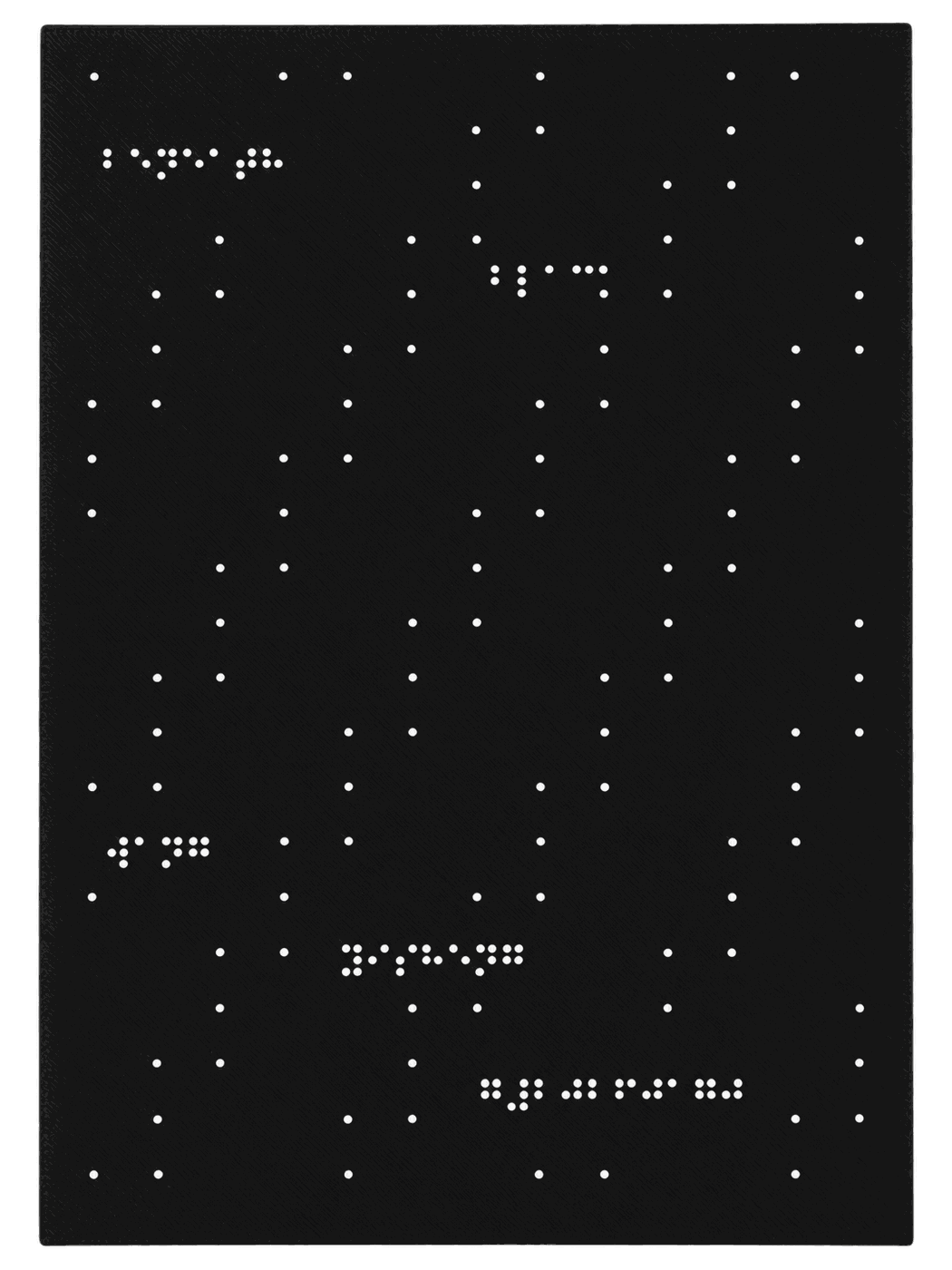
The final work is an A5 naked-spine publication with a 3D-printed cover, raised lettering, Braille dots and a sliding grating window. Reading becomes a physical action: the eye changes as the black screen is moved by hand.

All 3D-printed layers follow the same diagonal direction, creating a shared order. Their height, density and spacing shift slightly, so the surface reads as one object from a distance and reveals its internal differences through touch and side light.

DIFFERENCE IS ONE OF THE WAYS
THE WHOLE IS FORMED.
09 / PUBLICATION SEQUENCE

40 PAGES /
ONE SENSORY FIELD.

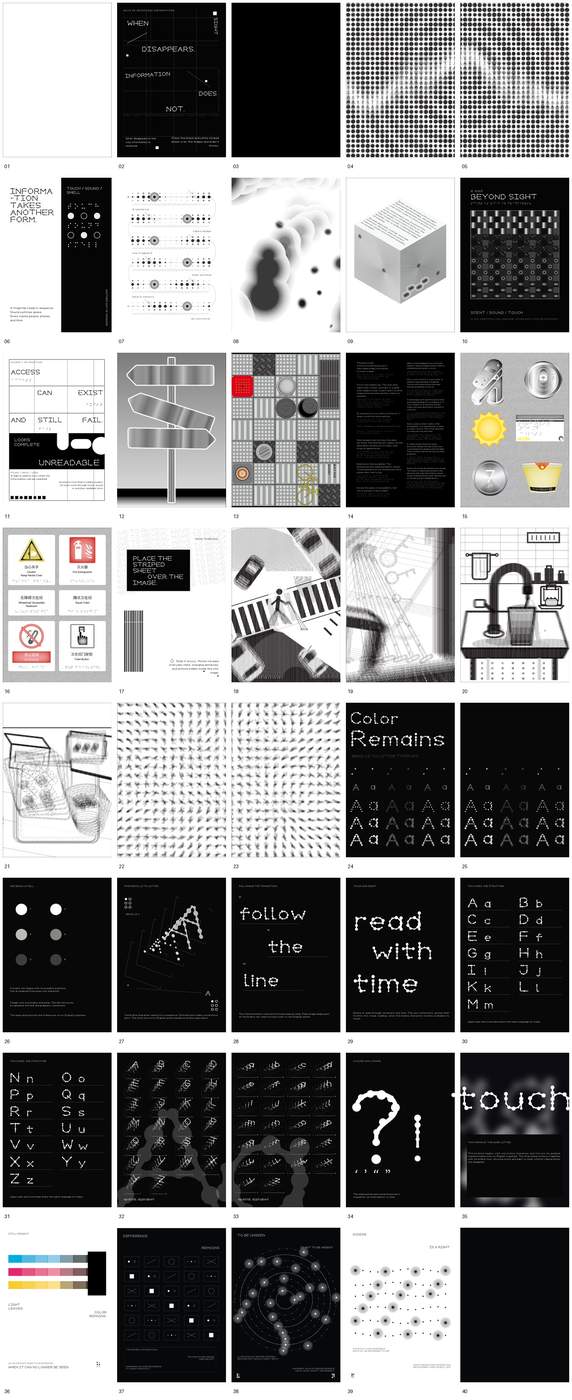
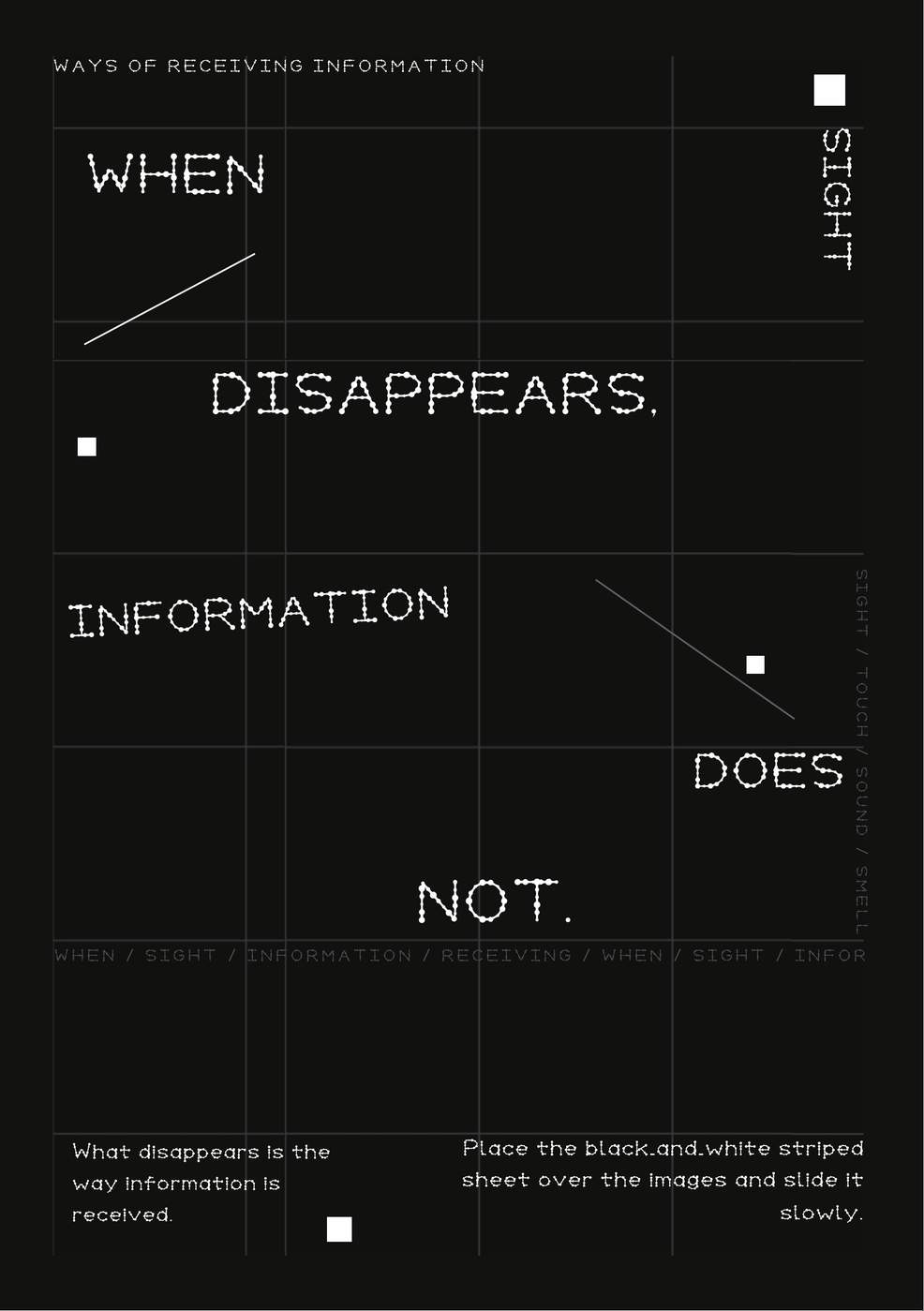
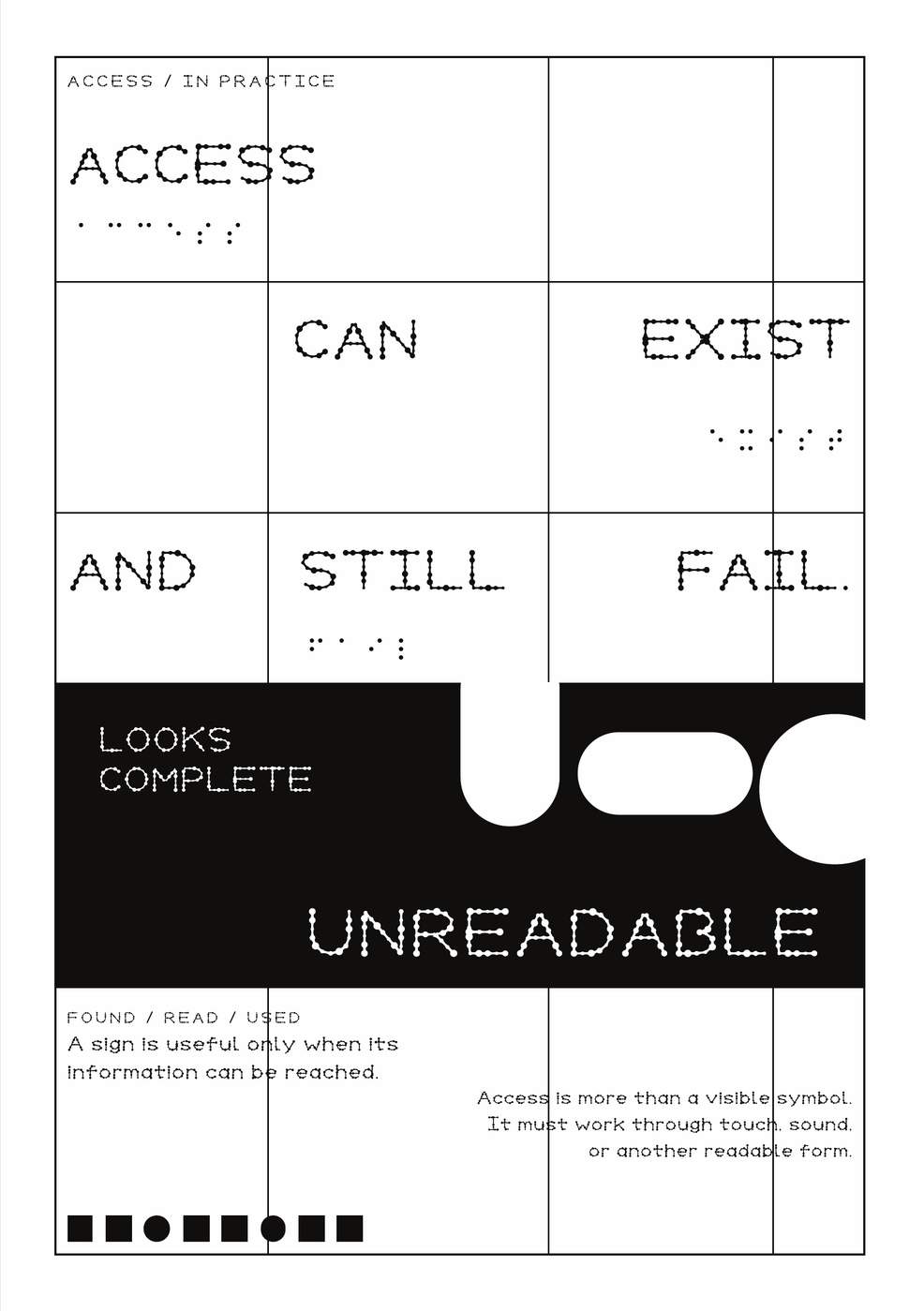
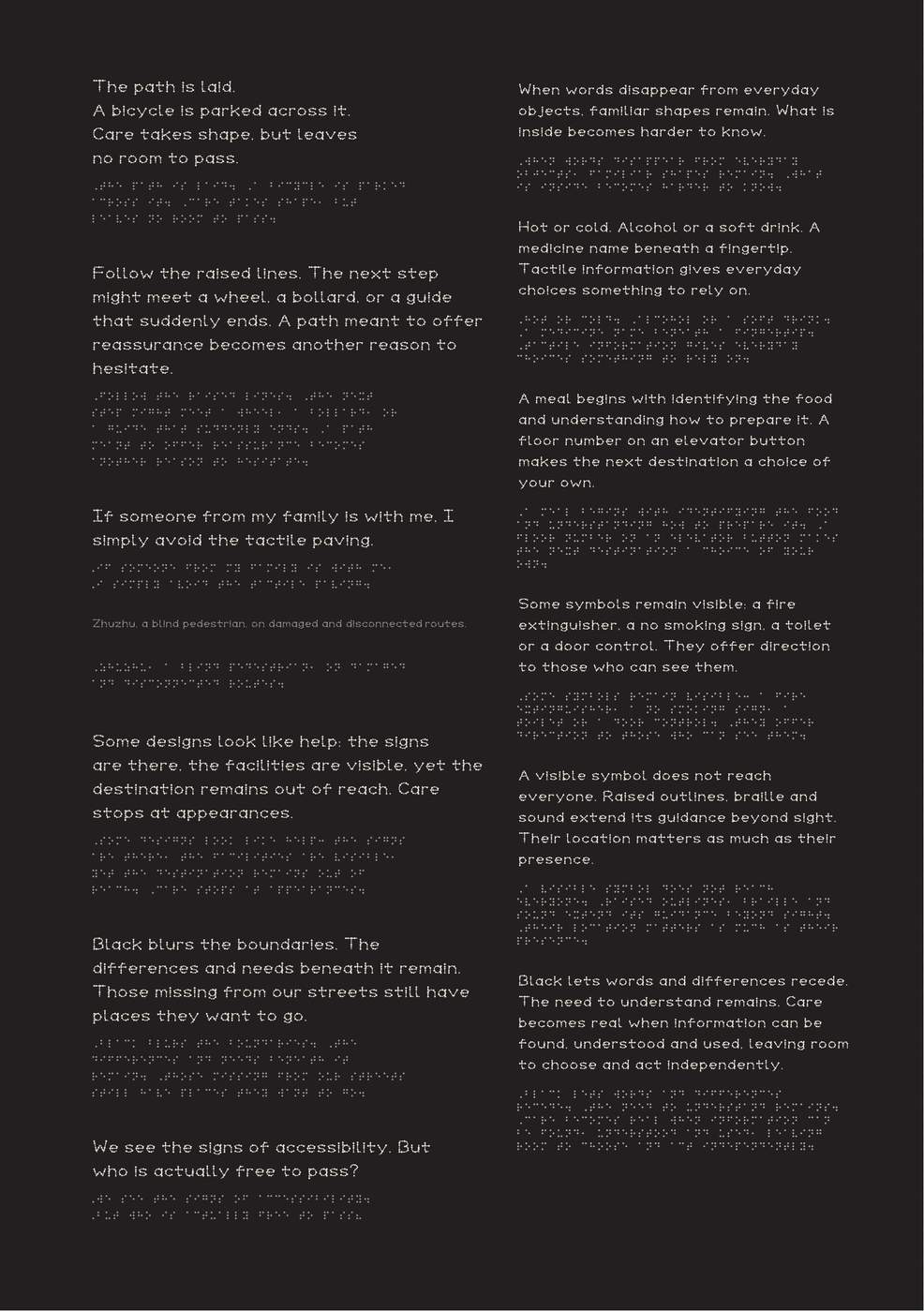
The publication moves from touch, sound and spatial orientation into daily situations, printed motion, colour, type and the final tactile object. The sequence alternates dense information with black pauses, allowing each visual system to be read as part of one continuous argument.

Contact sheet of all forty pages of the Beneath Black zine
OPEN ALL 40 PAGES ↓
Beneath Black zine page 1
01
Beneath Black zine page 2
02
Beneath Black zine page 3
03
Beneath Black zine page 4
04
Beneath Black zine page 5
05
Beneath Black zine page 6
06
Beneath Black zine page 7
07
Beneath Black zine page 8
08
Beneath Black zine page 9
09
Beneath Black zine page 10
10
Beneath Black zine page 11
11
Beneath Black zine page 12
12
Beneath Black zine page 13
13
Beneath Black zine page 14
14
Beneath Black zine page 15
15
Beneath Black zine page 16
16
Beneath Black zine page 17
17
Beneath Black zine page 18
18
Beneath Black zine page 19
19
Beneath Black zine page 20
20
Beneath Black zine page 21
21
Beneath Black zine page 22
22
Beneath Black zine page 23
23
Beneath Black zine page 24
24
Beneath Black zine page 25
25
Beneath Black zine page 26
26
Beneath Black zine page 27
27
Beneath Black zine page 28
28
Beneath Black zine page 29
29
Beneath Black zine page 30
30
Beneath Black zine page 31
31
Beneath Black zine page 32
32
Beneath Black zine page 33
33
Beneath Black zine page 34
34
Beneath Black zine page 35
35
Beneath Black zine page 36
36
Beneath Black zine page 37
37
Beneath Black zine page 38
38
Beneath Black zine page 39
39
Beneath Black zine page 40
40

10 / BEYOND THE VISIBLE

THE SAME WORLD
CAN BE READ
IN DIFFERENT WAYS.

The project asks what becomes readable when sight is no longer the default. Beneath black is not emptiness, but a field of pressure, rhythm, movement and memory.